Water Collection
OUR DETENTION & INFILTRATION SOLUTION
High-performance, durable solutions to control peak flows and improve stormwater management.




To learn more about the news, read the press release. Saint-Jean-sur-Richelieu, September 26th, […]
More news
High-performance, durable solutions to control peak flows and improve stormwater management.
The growing importance of stormwater detention systems
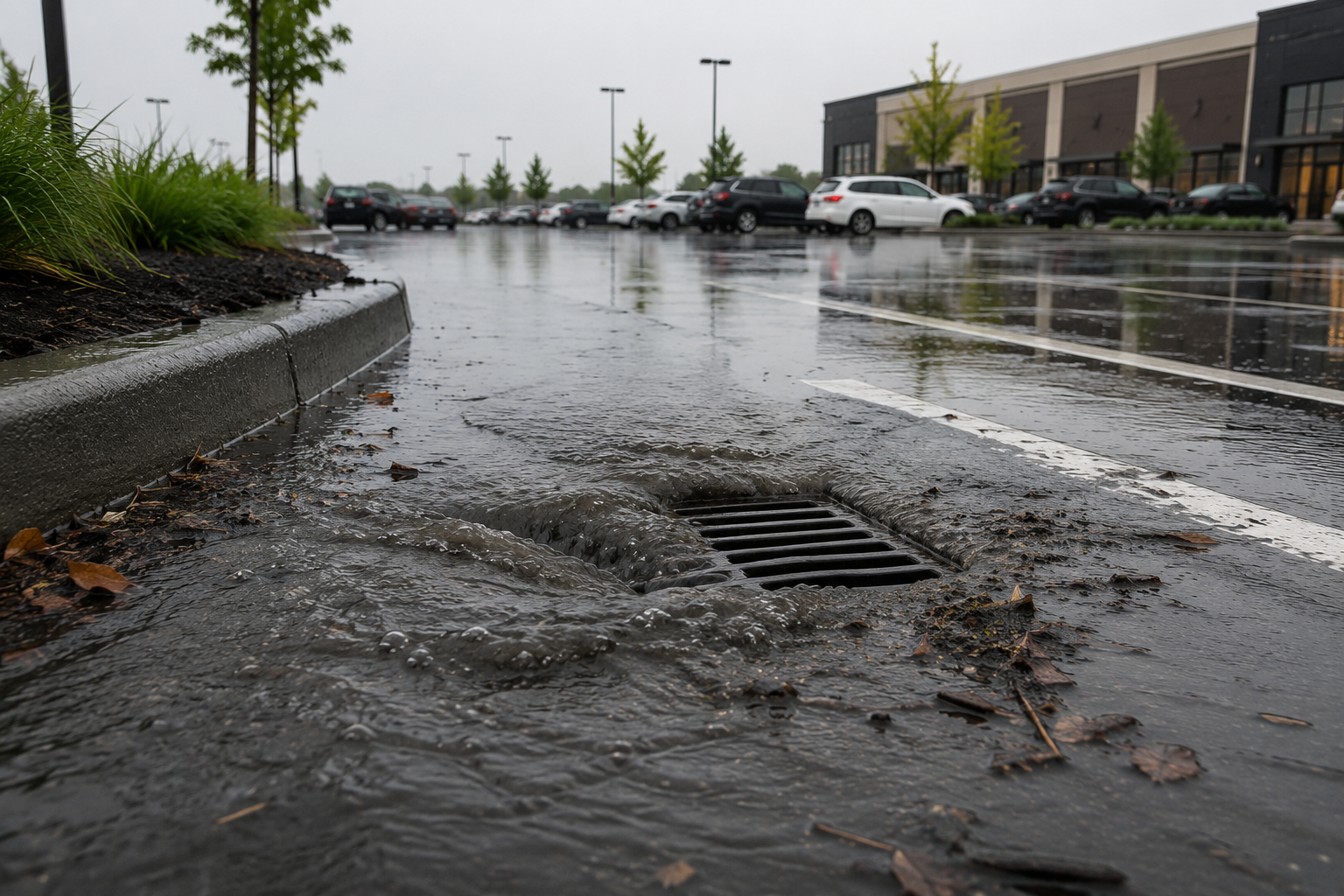
Rapid urbanization, expanding impervious surfaces and increasingly extreme rainfall events are placing significant pressure on existing stormwater infrastructure.
Stormwater detention systems play an essential role in helping to:
Many stormwater management projects must also address:
Underground stormwater storage systems integrate stormwater management while preserving the site’s potential for surface development.
Every project has its own constraints. Required storage volume, available space, installation depth, access and maintenance all influence the choice of technology. The right solution depends on the project’s hydraulic objectives and site conditions.
Soleno offers three main types of underground stormwater storage systems to suit different installation requirements.
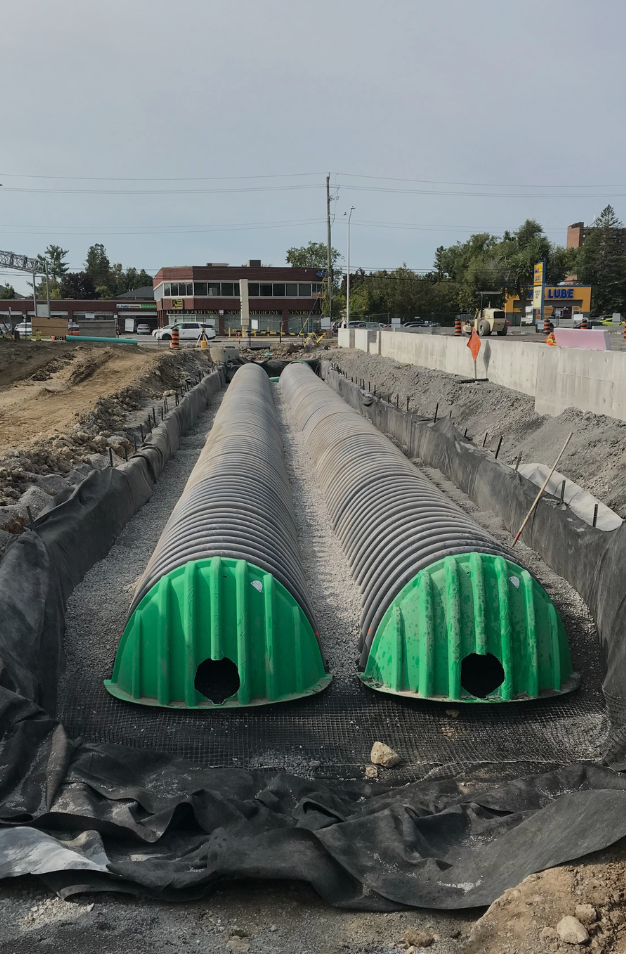
HydroStor® and StormChamber®
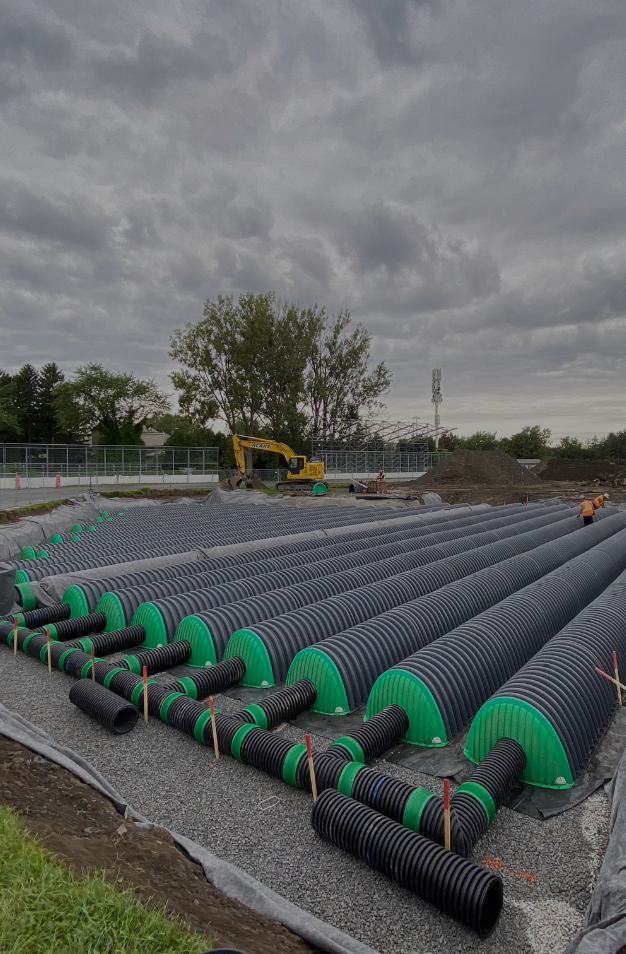
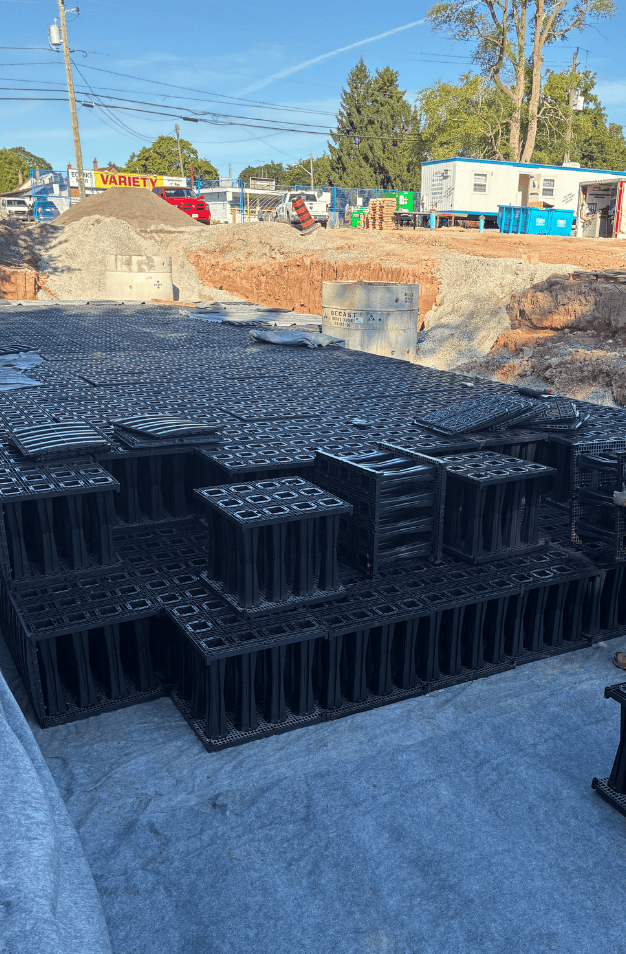
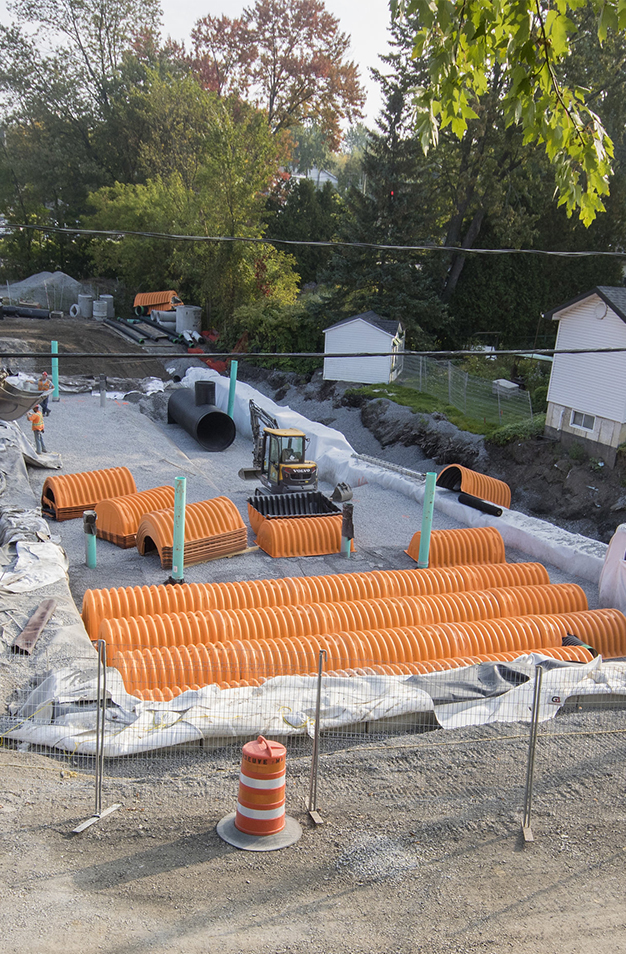
Stormwater chamber systems provide efficient underground storage with quick, straightforward installation. Their modular design adapts to different site layouts and supports both stormwater detention and infiltration.
Benefits
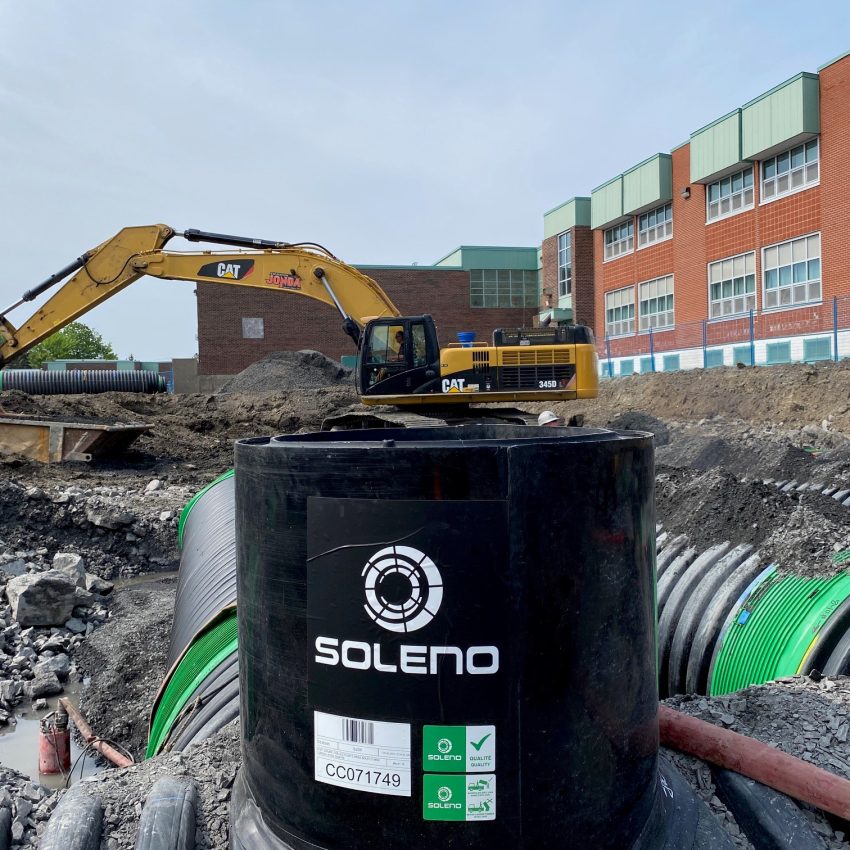
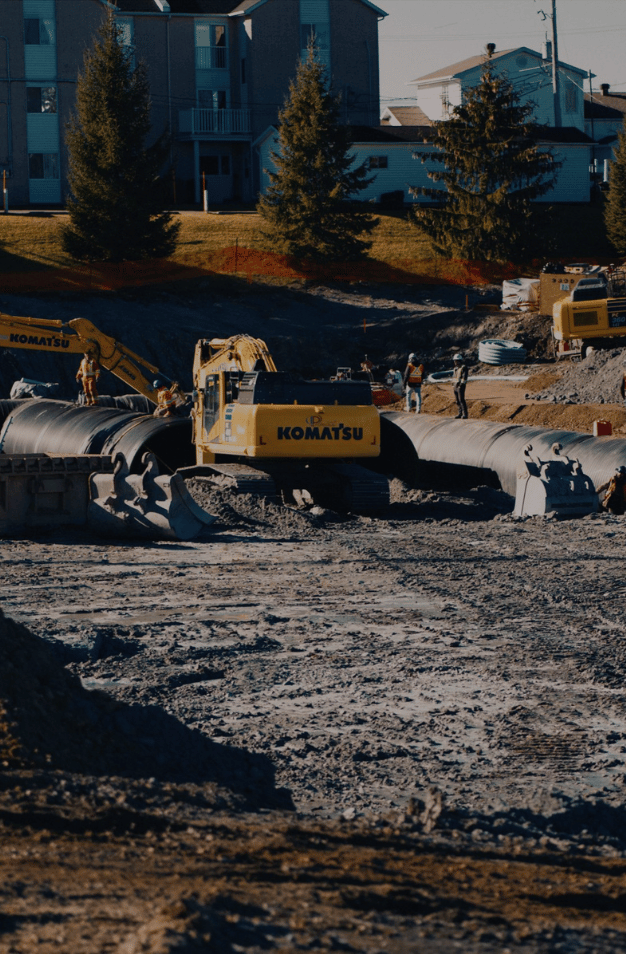
Custom systems built with Solflo Max and KUSTOMFLO HDPE pipes
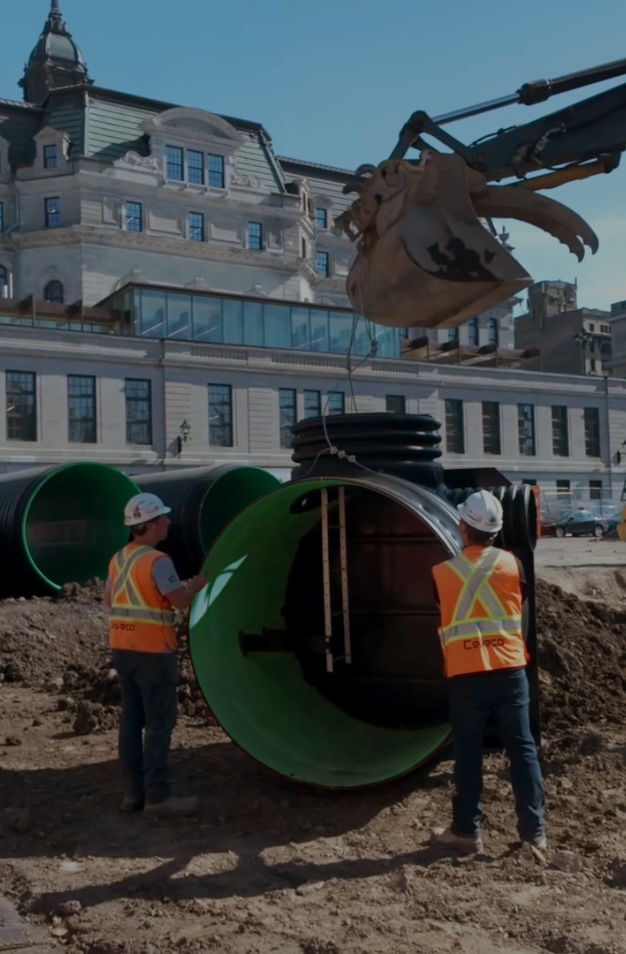
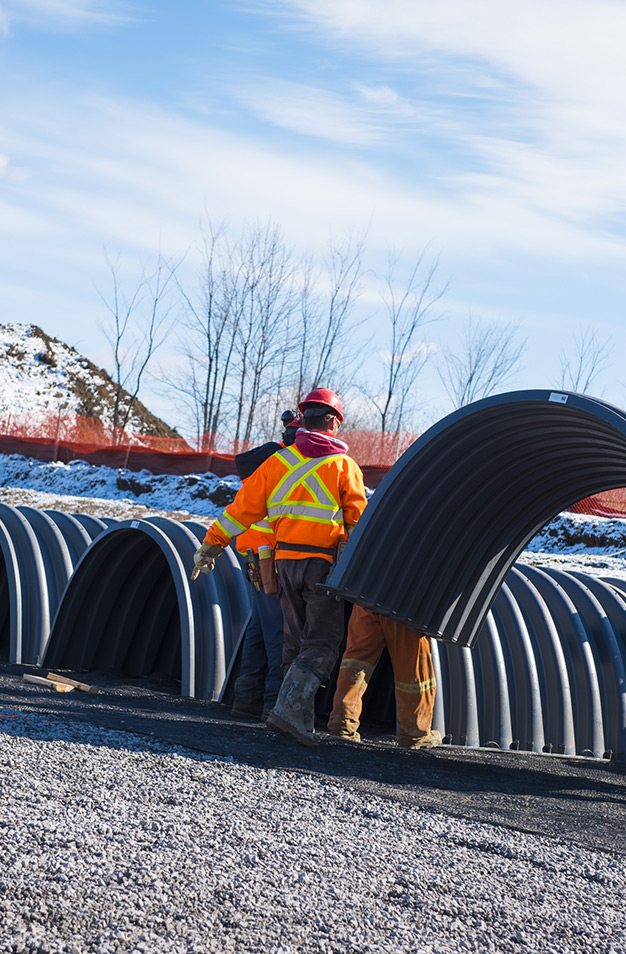
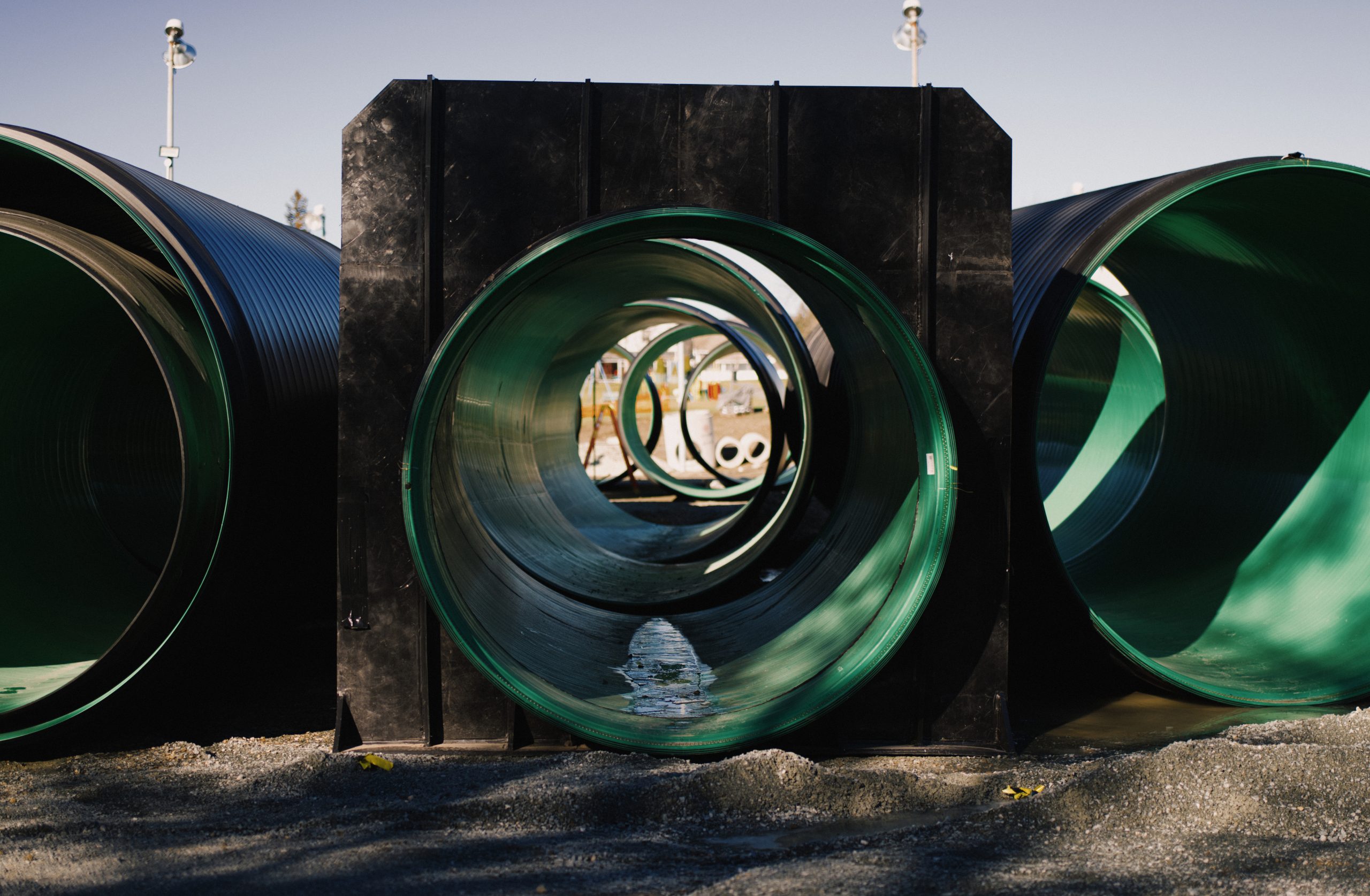
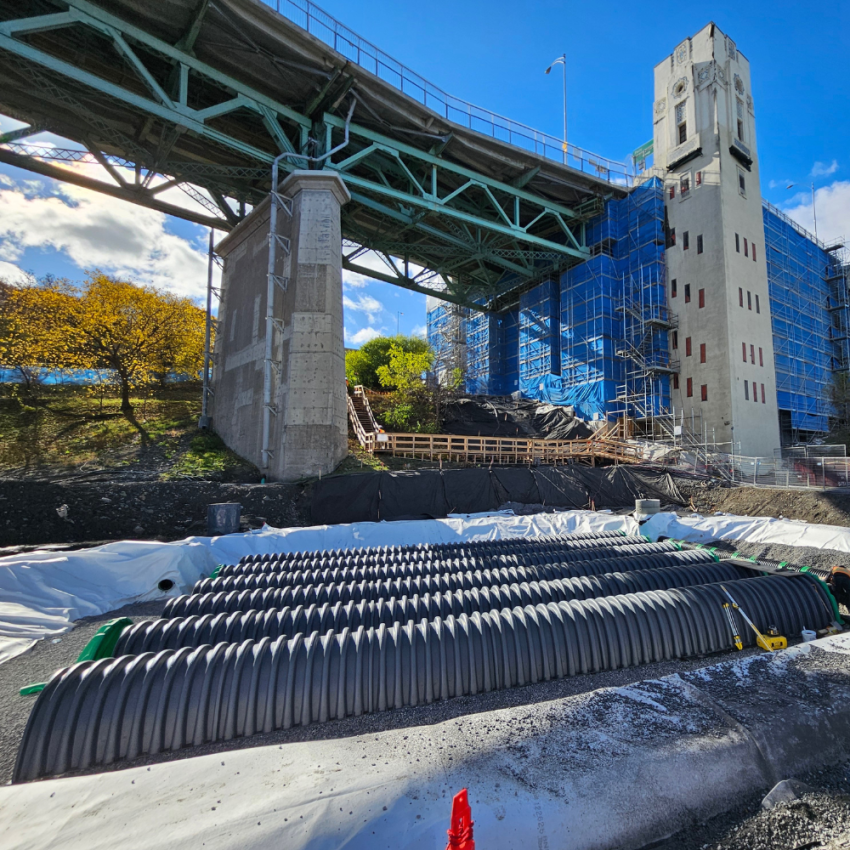
Pipe storage systems provide durable underground stormwater storage, with configurations tailored to the project’s hydraulic requirements. This approach is particularly well suited to large storage volumes and linear infrastructure.
HDPE pipe systems can also provide convenient access for inspection and long-term maintenance.
Benefits
Maximize storage capacity in limited space
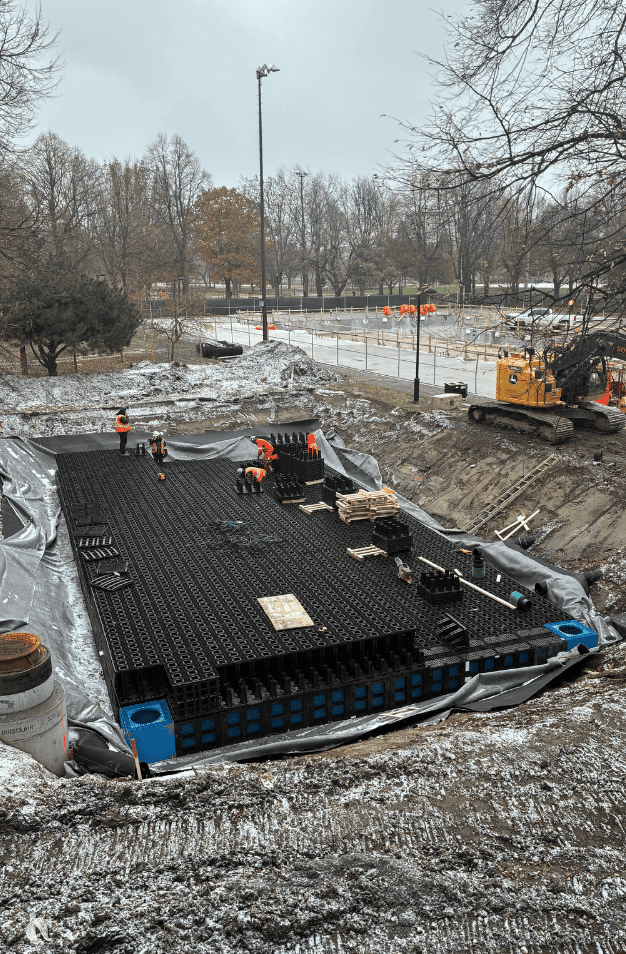
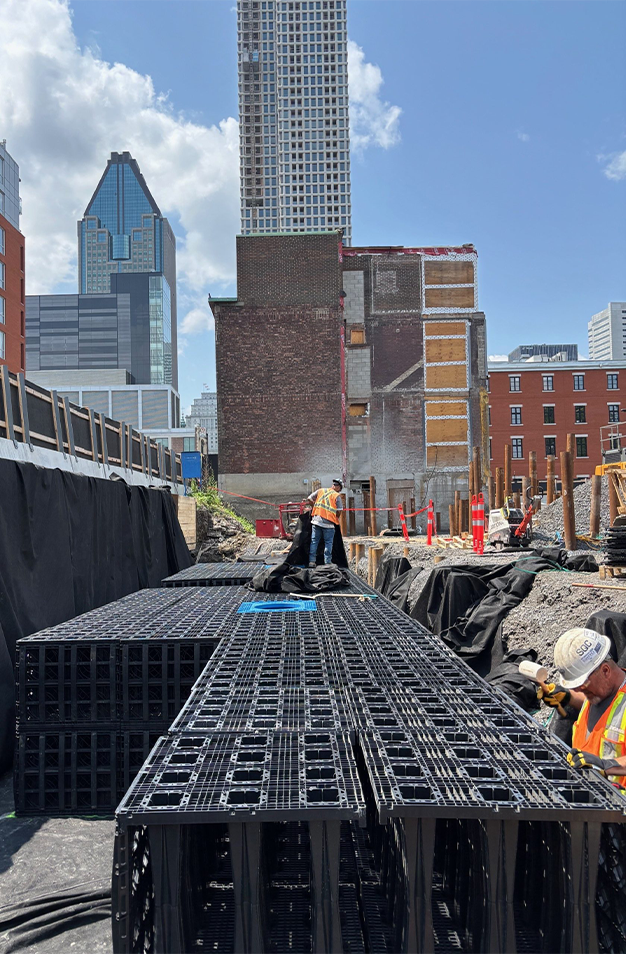
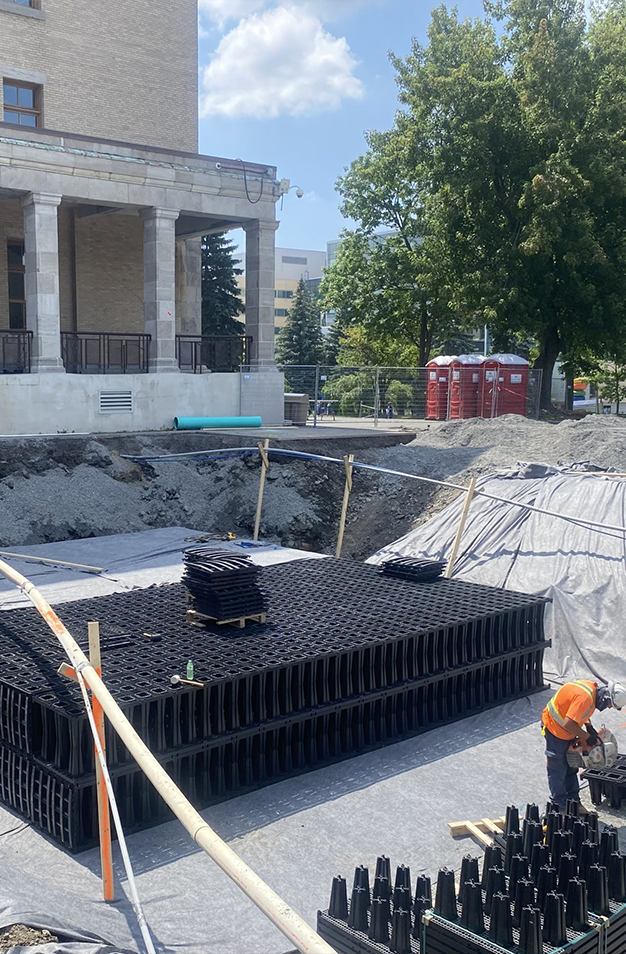
Geocellular systems provide high storage capacity for projects where space is limited. With up to 96% void space, depending on the selected system, they maximize stormwater storage within a compact footprint.
Their modular design provides flexible layouts, even in dense urban environments.
Benefits
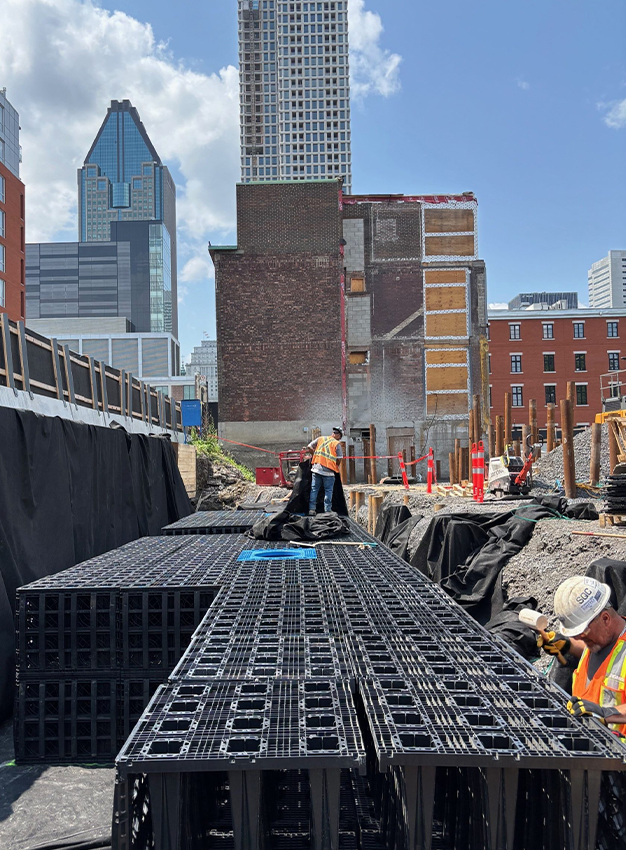
Selecting a stormwater storage system involves technical, hydraulic and operational considerations. Each technology offers specific advantages depending on the project’s constraints.
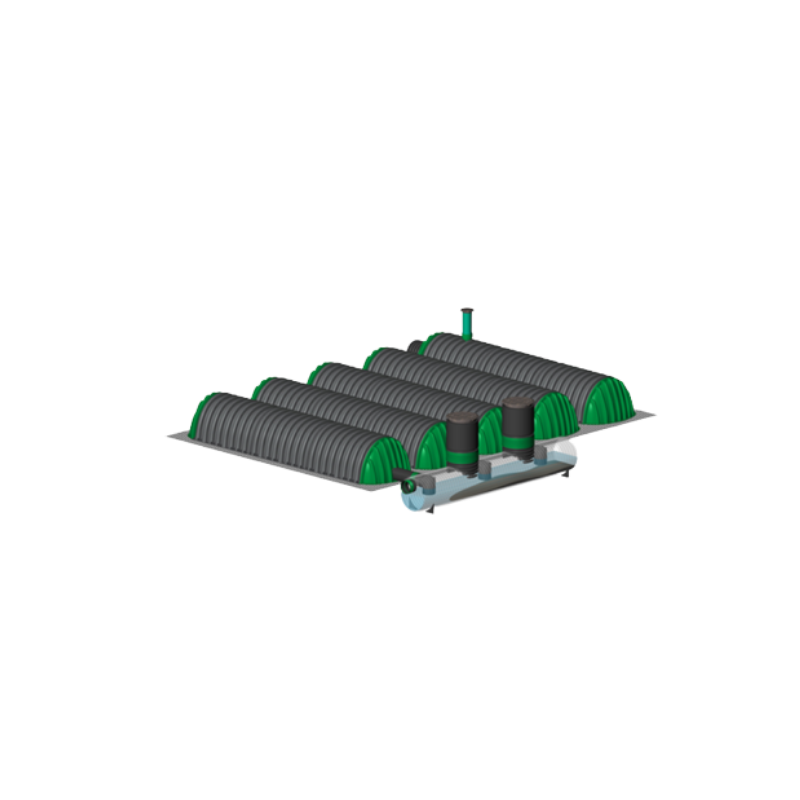
Chamber systems are a practical choice when installation speed and construction cost efficiency are priorities.
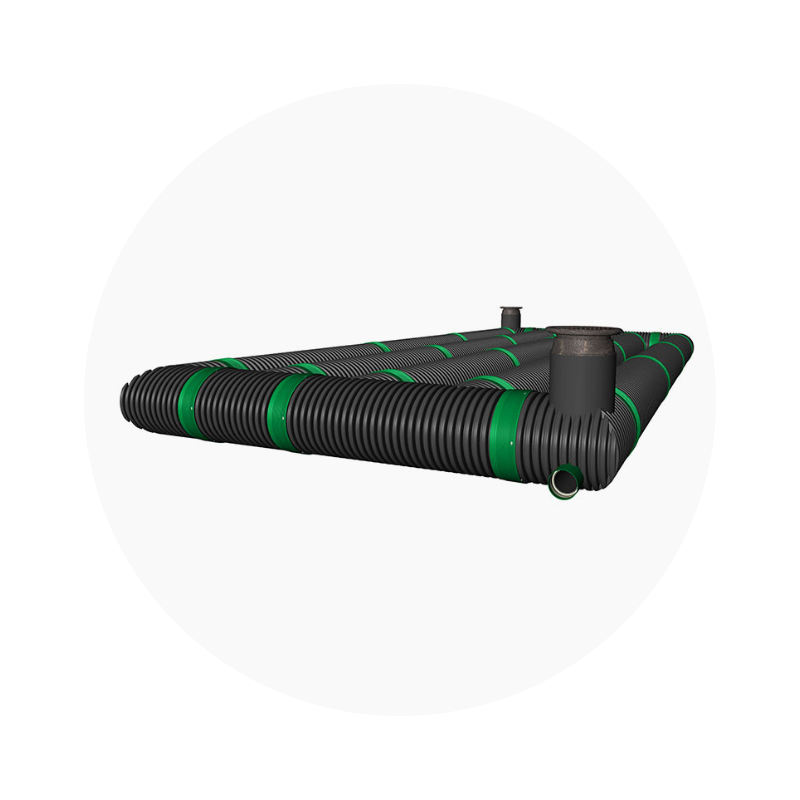
Pipe Storage Systems are practiculary well suited to projects requiring very large storage volumes or convenient inspection access.
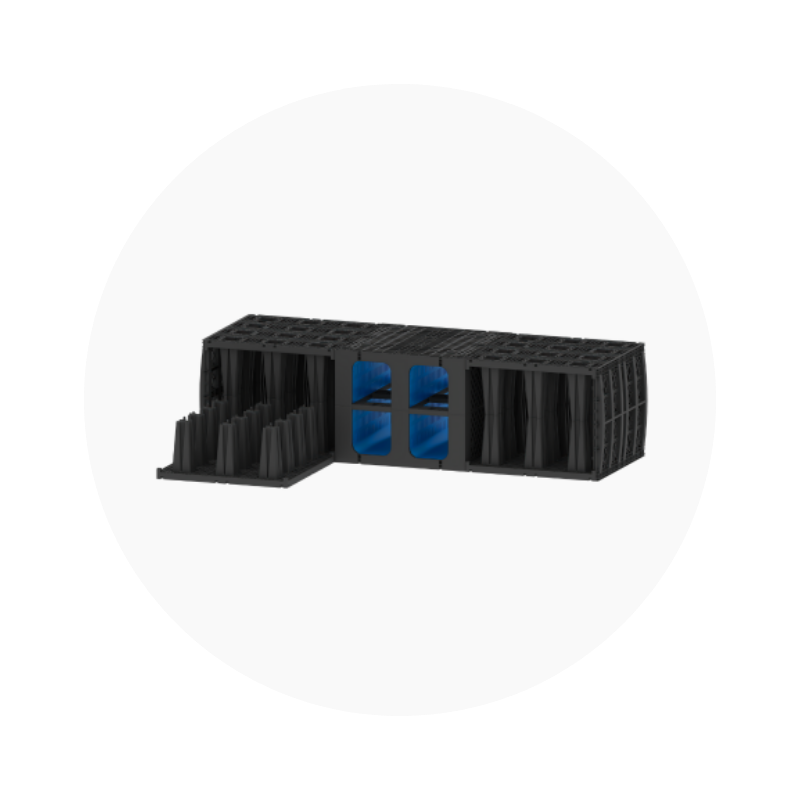
Geocellular Systems are well suited to dense urban sites where every square metre counts
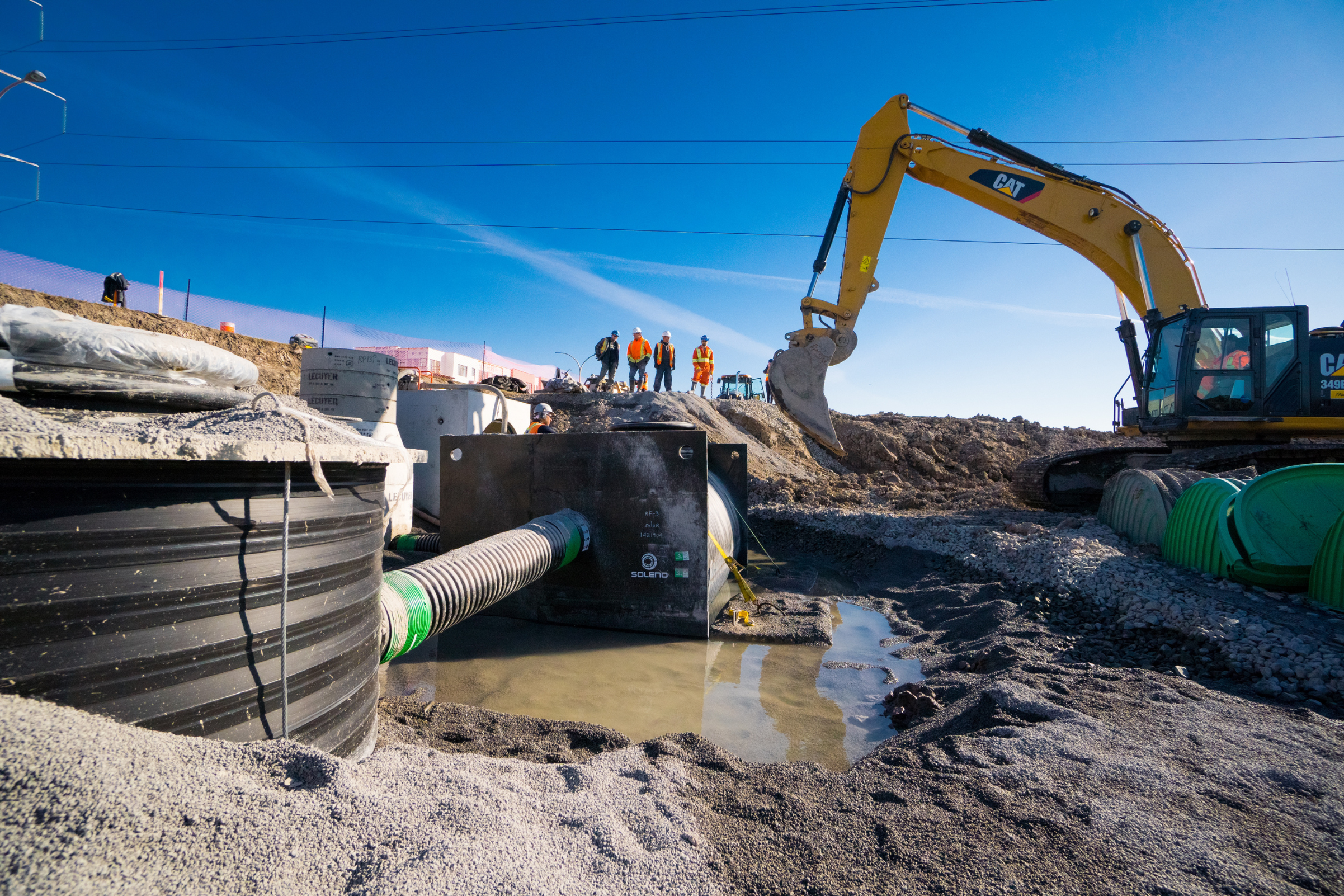
An effective stormwater detention system depends on more than its storage volume. To ensure durability, simplify maintenance and meet the project’s hydraulic objectives, other essential components must be incorporated from the design stage.
Among these, pretreatment and the watertightness of the storage system play a key role in the long-term performance of the infrastructure.
Pretreatment to protect the system and simplify maintenance
Stormwater entering a detention system may carry sediment, suspended solids, debris, hydrocarbons and other urban pollutants.
Pretreatment captures these pollutants upstream to reduce sediment buildup within the storage system, maintain hydraulic capacity, simplify maintenance, improve the quality of discharged water and, ultimately, extend infrastructure service life.
Our detention systems can incorporate the following pretreatment solutions:
Convert an infiltration system into a watertight detention basin
Depending on project requirements, an underground system can be designed to:
An impermeable geosynthetic liner can be used to enclose the system and prevent water from infiltrating into the surrounding soil.
This approach is particularly relevant where soils have low permeability, groundwater is present, regulations require watertight detention, discharge rates must be precisely controlled, or the site may be contaminated.
Talk to our experts about the right geosynthetic for your project.
Discuss your project
A durable alternative to concrete for stormwater infrastructure
High-density polyethylene (HDPE) systems can help reduce installation costs, improve infrastructure durability and simplify site operations.
Compared with conventional concrete infrastructure, HDPE systems can offer:
See how stormwater storage systems work in practice.

Our engineering and project teams support engineers, designers and contractors at every stage to optimize the hydraulic performance and constructability of stormwater storage systems.
A stormwater detention system temporarily stores runoff before releasing it at a controlled rate to a storm sewer or receiving environment. It helps reduce peak flows and limit overloading of downstream infrastructure. Installed underground, it preserves surface space for parking lots, roadways and landscaping.
Detention primarily slows stormwater discharge by temporarily storing runoff. Infiltration allows water to soak into the surrounding soil, which can reduce the volume discharged to the storm sewer. Depending on site conditions and project objectives, a system can combine temporary storage, infiltration and controlled discharge.
The choice depends on the required storage volume, available space, installation depth, traffic loads and maintenance needs. Chambers provide modular installation suited to a wide range of projects. Pipes allow custom configurations, particularly for large storage volumes and linear layouts. Geocellular systems provide high storage capacity within a compact footprint.
The required volume is established through hydrologic and hydraulic analysis that considers the drainage area, impervious surfaces, design storms and allowable discharge rate. Infiltration capacity may also be considered where appropriate. The system must accommodate the water that accumulates when inflows exceed the rate at which water can leave the system
Yes. Many underground systems are designed for these applications, allowing the surface to remain in use. Product selection and installation design must account for traffic loads, cover depth, soil conditions, and bedding and backfill requirements. Inspection and maintenance access must also be incorporated into the site layout.
Yes. Low soil permeability can limit infiltration without preventing temporary stormwater storage. A watertight system with controlled discharge to a suitable outlet may be appropriate. Soil permeability, groundwater levels and potential contamination must be evaluated to determine the right approach for the site.
Discharge is controlled by an outlet device, such as a vortex flow regulator or a sized orifice. Device selection considers the allowable discharge rate and available hydraulic head. The storage volume and flow control device must be designed together to achieve the required hydraulic performance.
Pretreatment captures a portion of the sediment, debris and, depending on the selected technology, hydrocarbons carried by runoff. It helps limit sediment buildup within the storage system, reduce clogging risks and simplify maintenance. The pretreatment device should be selected based on the pollutants present and the project’s water quality objectives.
High-density polyethylene, or HDPE, combines low weight, corrosion resistance and flexible configuration options. For systems made from this material, these characteristics can simplify handling, speed up installation and accommodate site-specific layouts. Long-term performance also depends on component selection, connection quality and compliance with installation requirements.
Maintenance generally includes inspecting access points, inlets, outlets and flow control devices, along with removing accumulated sediment and debris. Depending on the system, camera inspection and cleaning from the surface may be possible. Maintenance frequency should follow a site-specific plan that considers manufacturer recommendations and observed accumulation.