What Is a Stormwater Retention Chamber?
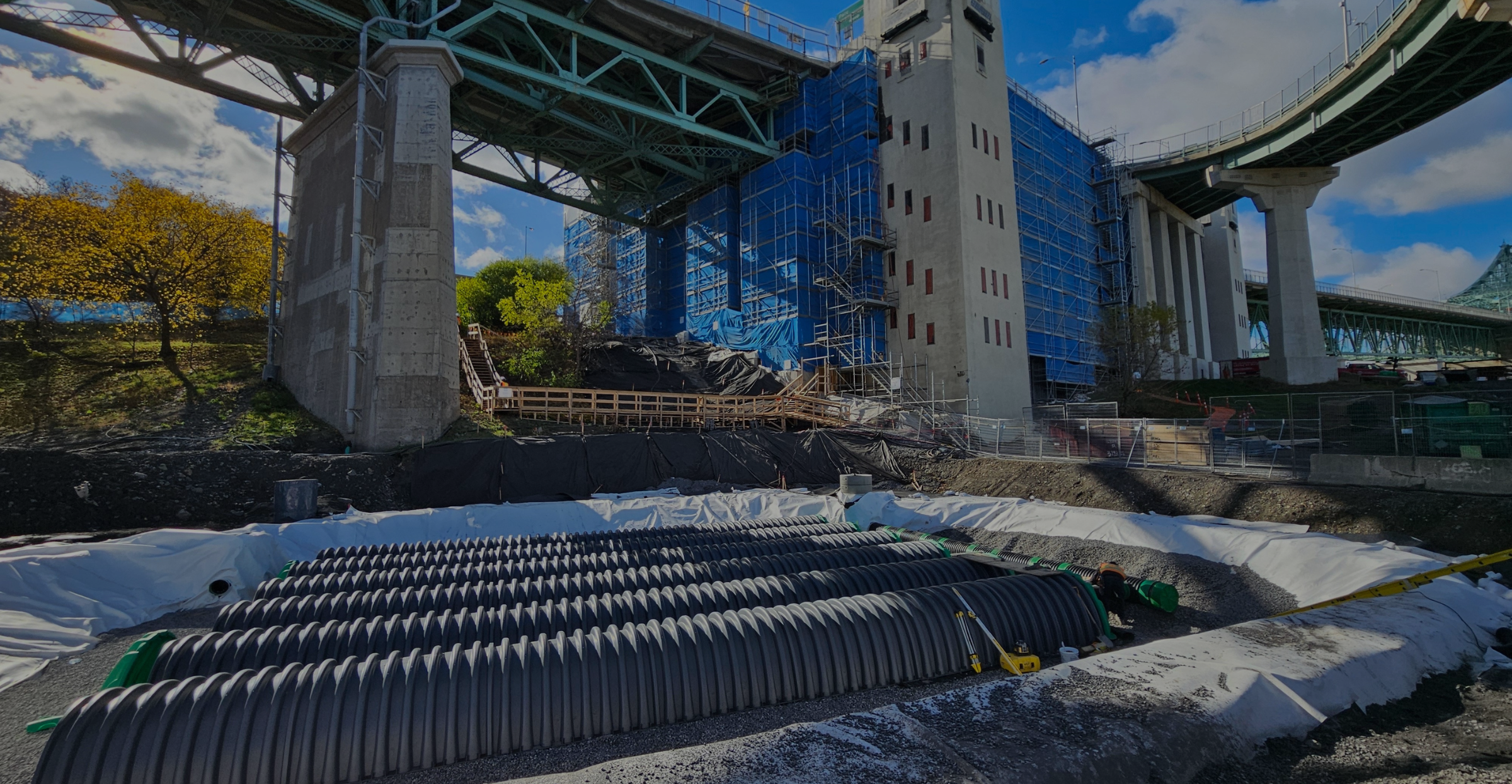
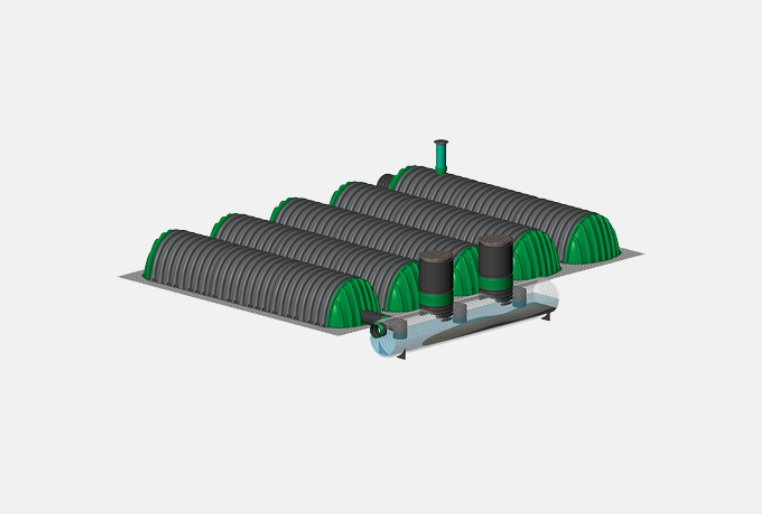
A stormwater retention chamber is an underground structure designed to temporarily store stormwater runoff and release it at a controlled rate. The purpose of a retention chamber system is to reduce peak flows entering the storm sewer network or downstream receiving bodies during and after rainfall events.
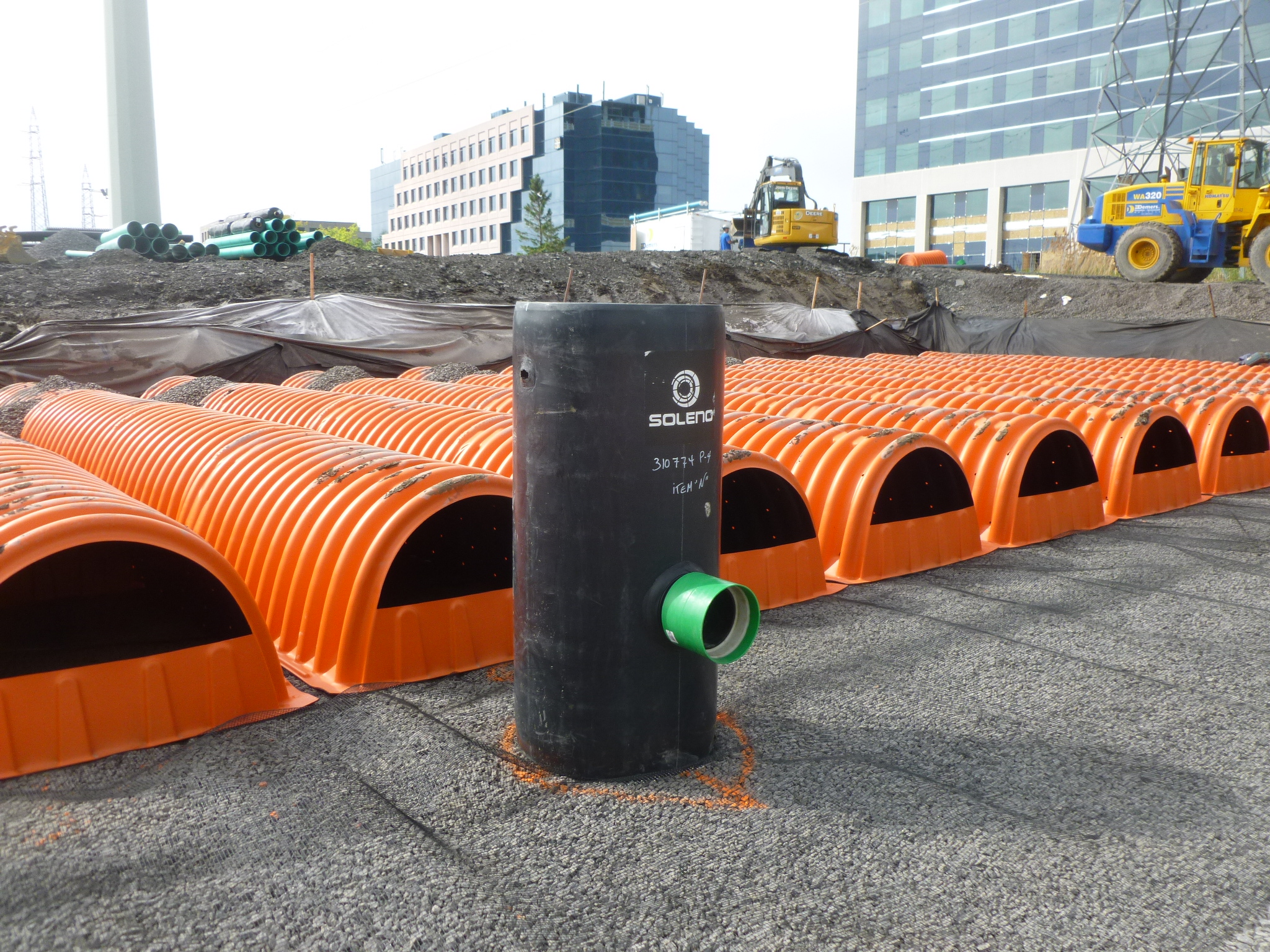
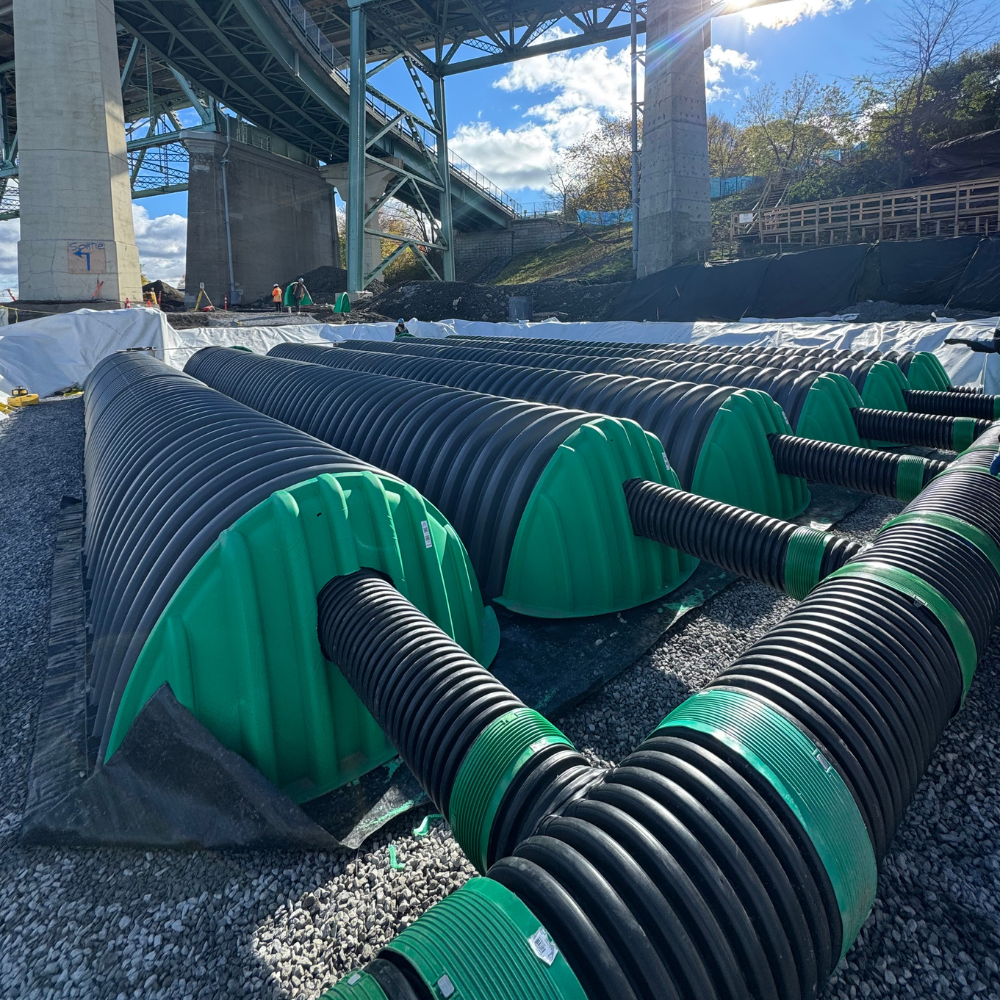
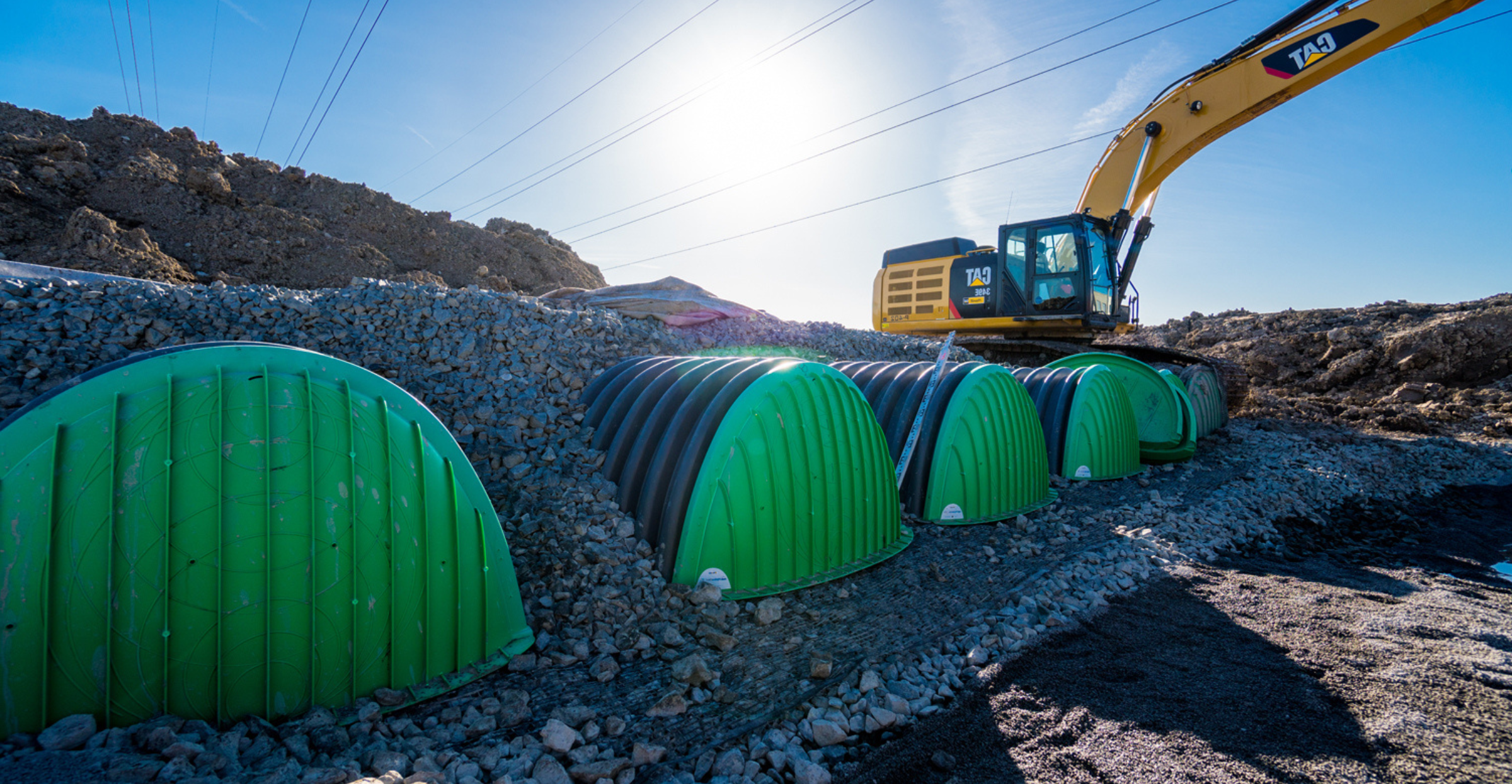
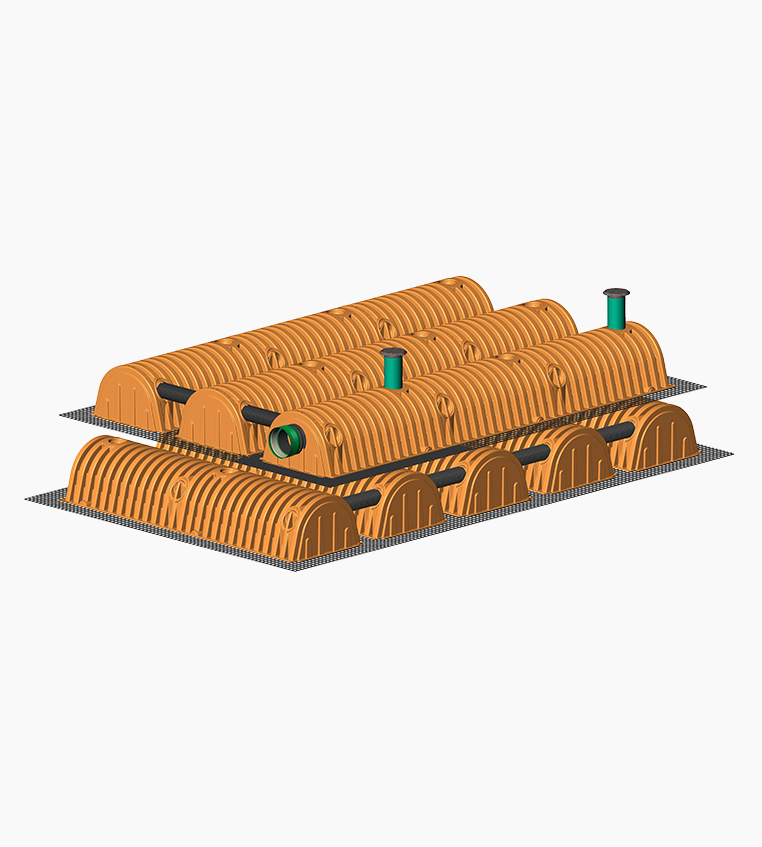
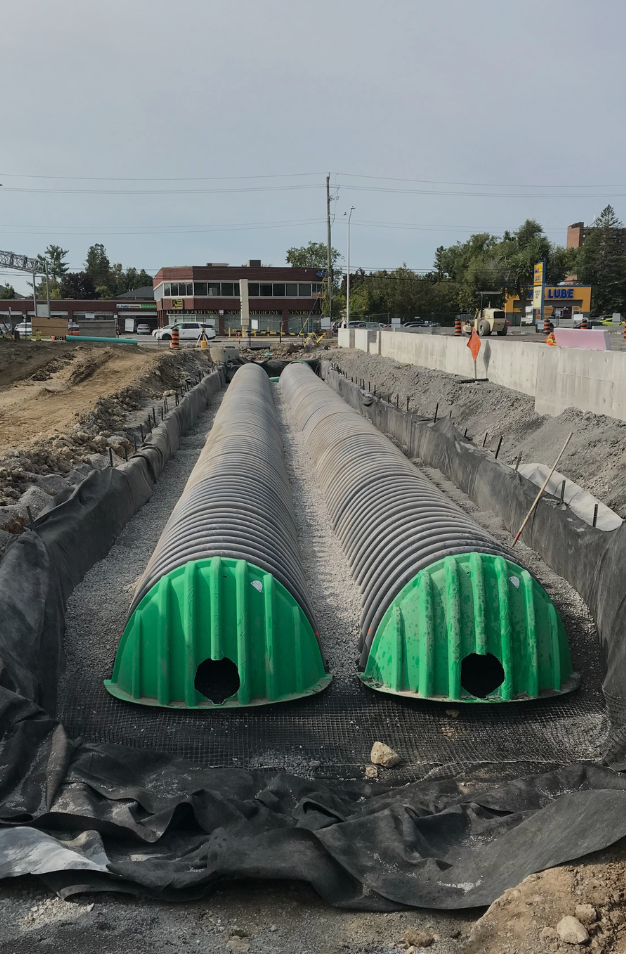
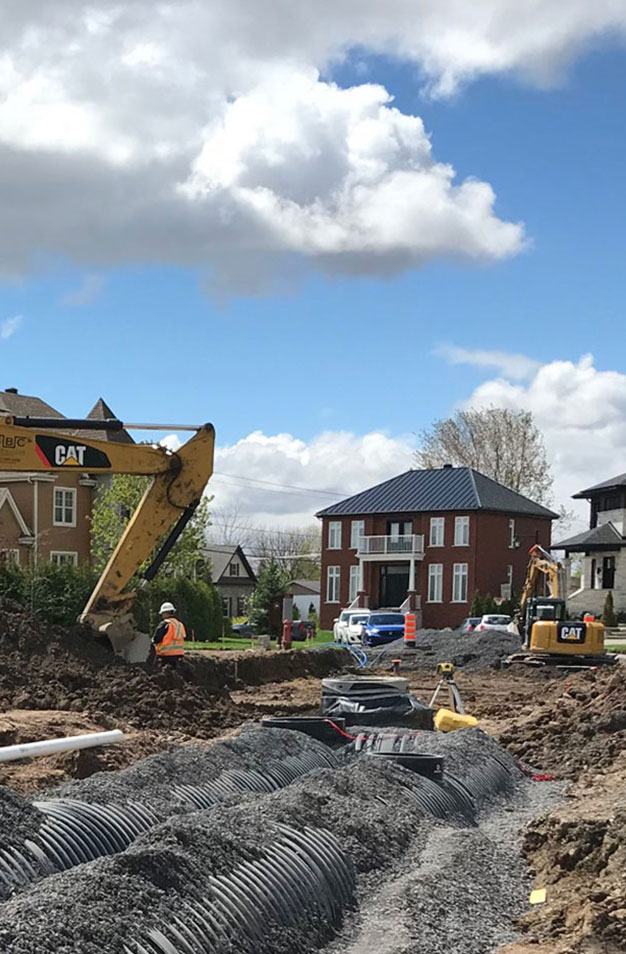
Stormwater retention chambers are typically installed within a clean stone envelope that creates additional storage volume through the void spaces between the stones. Together, the chambers and surrounding stone form an underground retention basin capable of storing significant volumes of stormwater while preserving the use of the land above.
Because they are installed underground, retention chambers are commonly used beneath parking lots, roadways, commercial developments, institutional facilities, and municipal infrastructure projects where space is limited and maintaining surface land use is important.
What Is the Difference Between a Chamber System and a Pipe Retention System?
Stormwater retention chambers and pipe retention systems are both designed to temporarily store stormwater runoff, but they achieve this objective using different approaches.
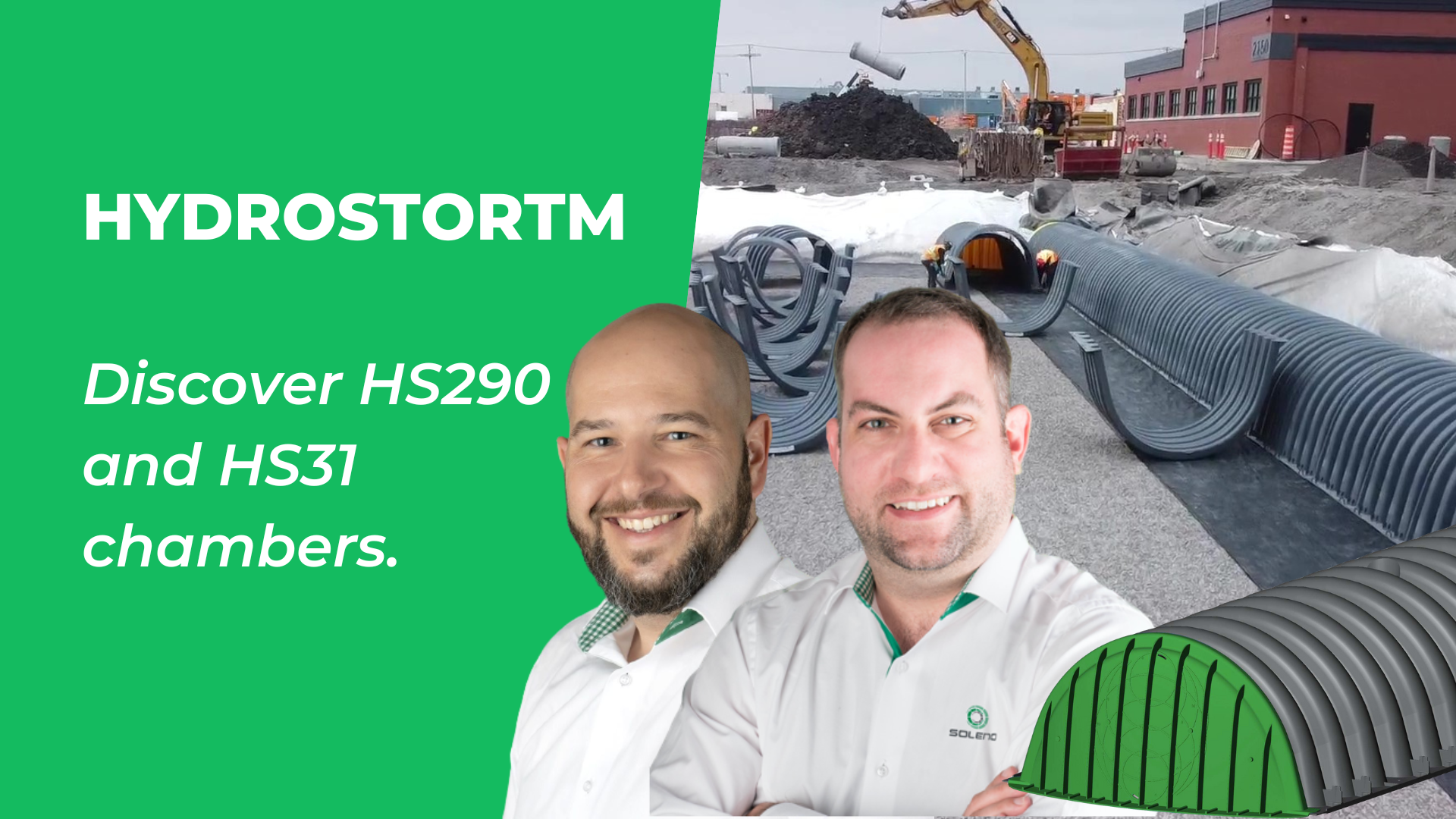
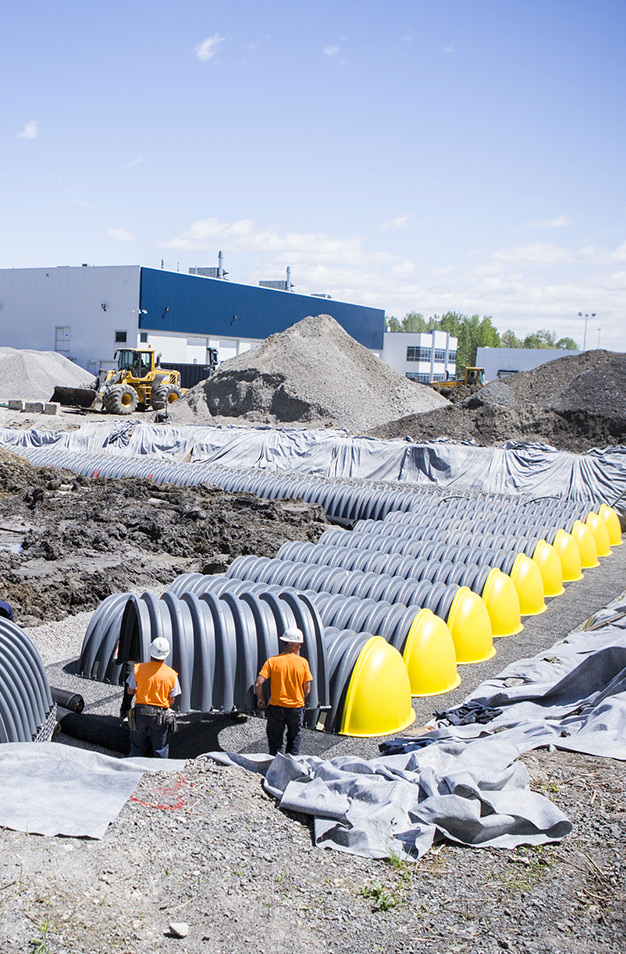
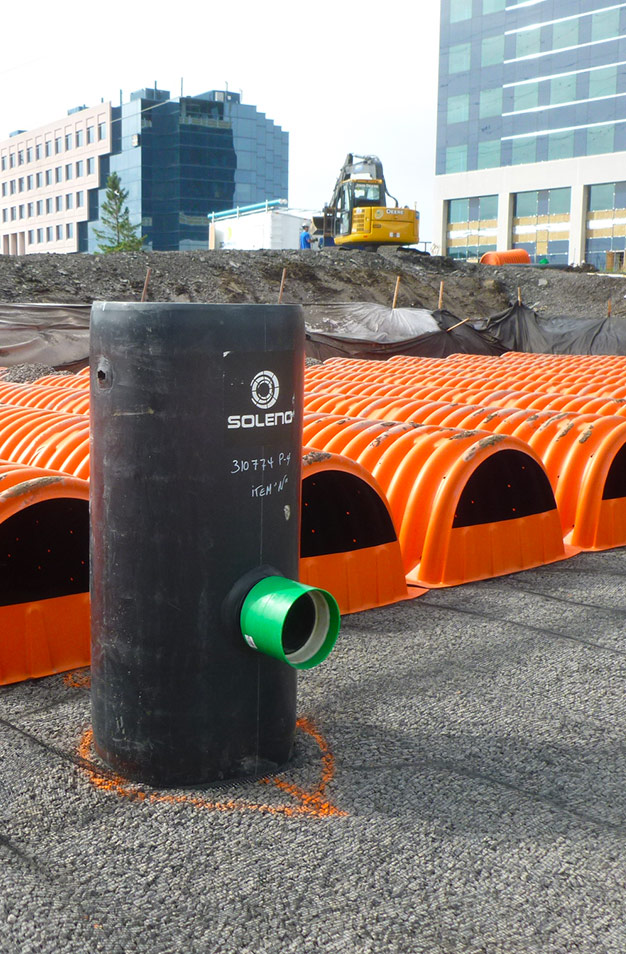
Retention chamber systems consist of modular arch-shaped structures installed within a clean stone bed. This configuration creates storage volume both inside the chambers and within the void spaces of the surrounding stone, allowing designers to maximize storage capacity within a relatively compact footprint. Their modular design also provides greater flexibility when adapting the system to irregular site geometries or space constraints.
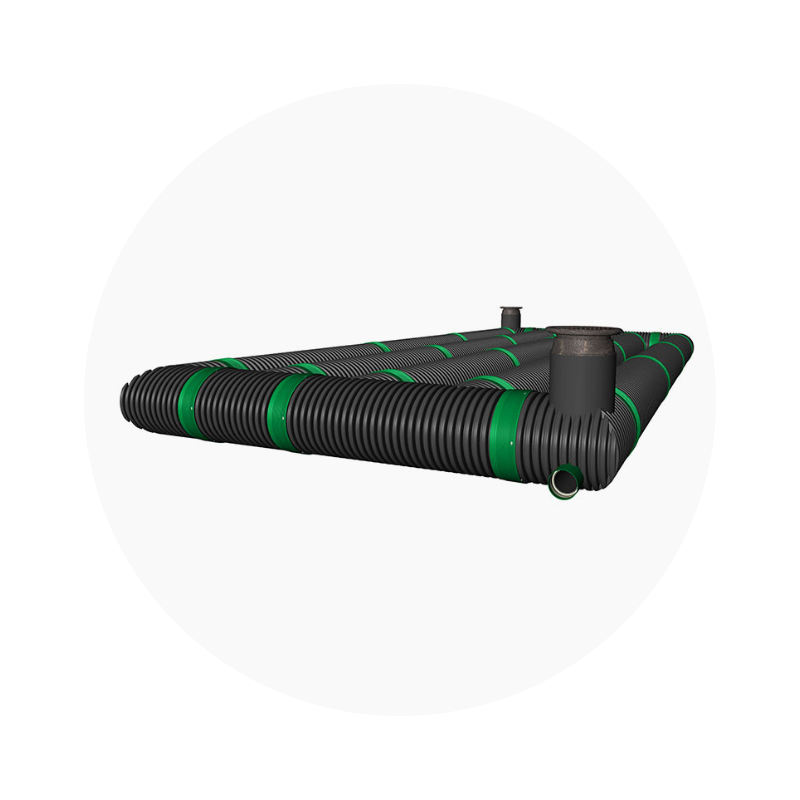
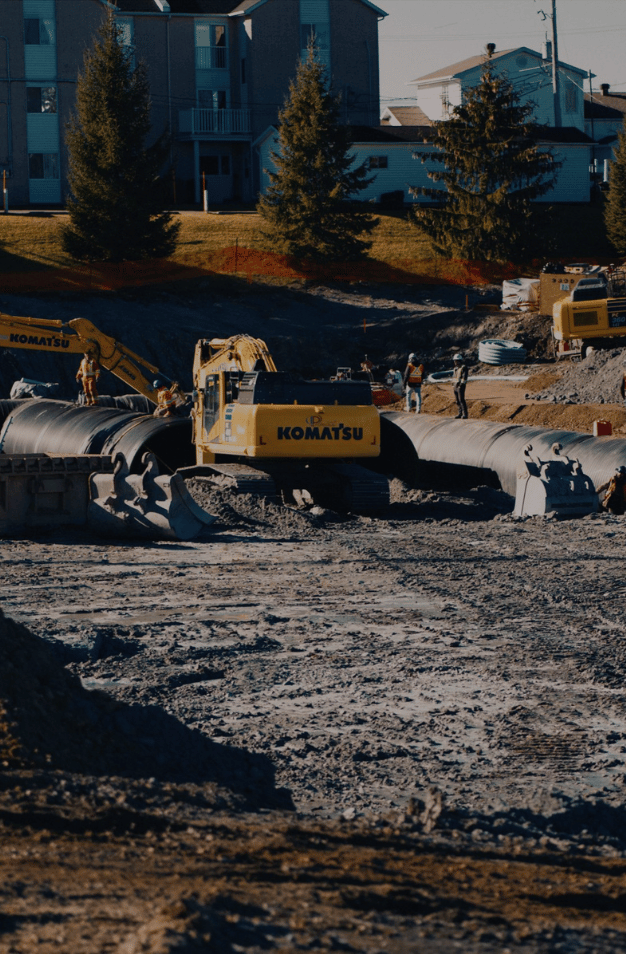
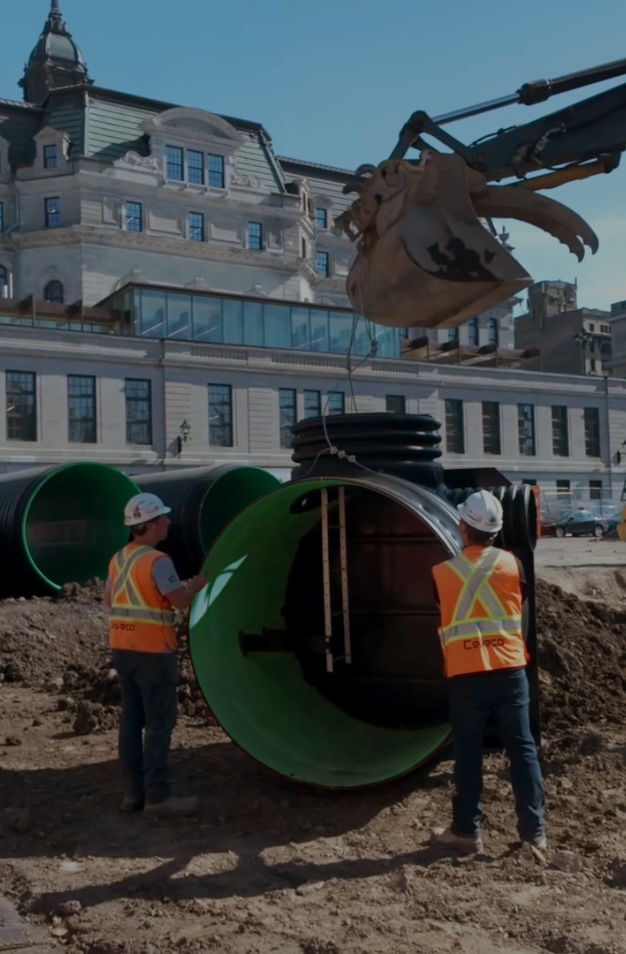
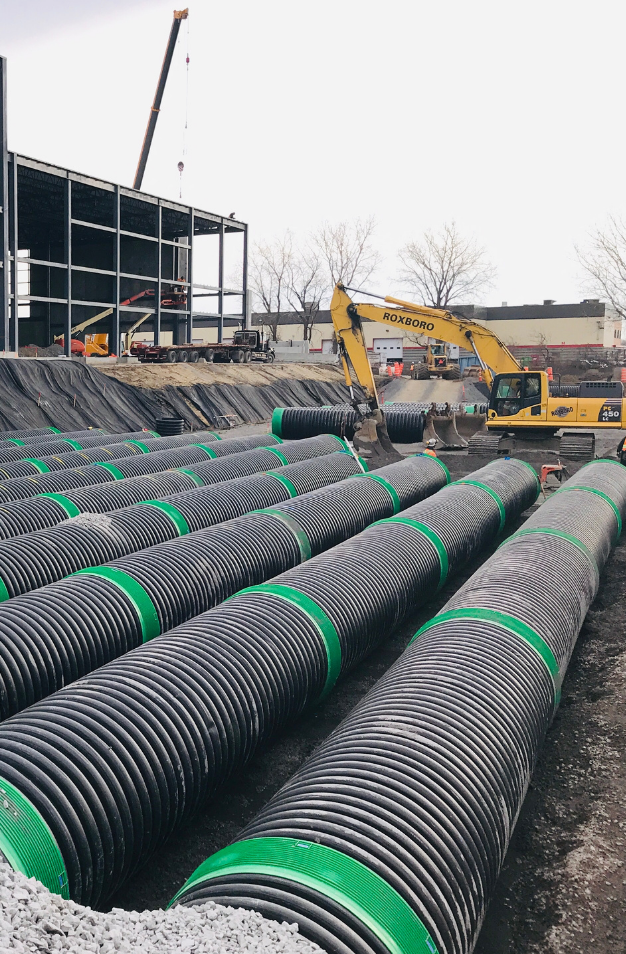
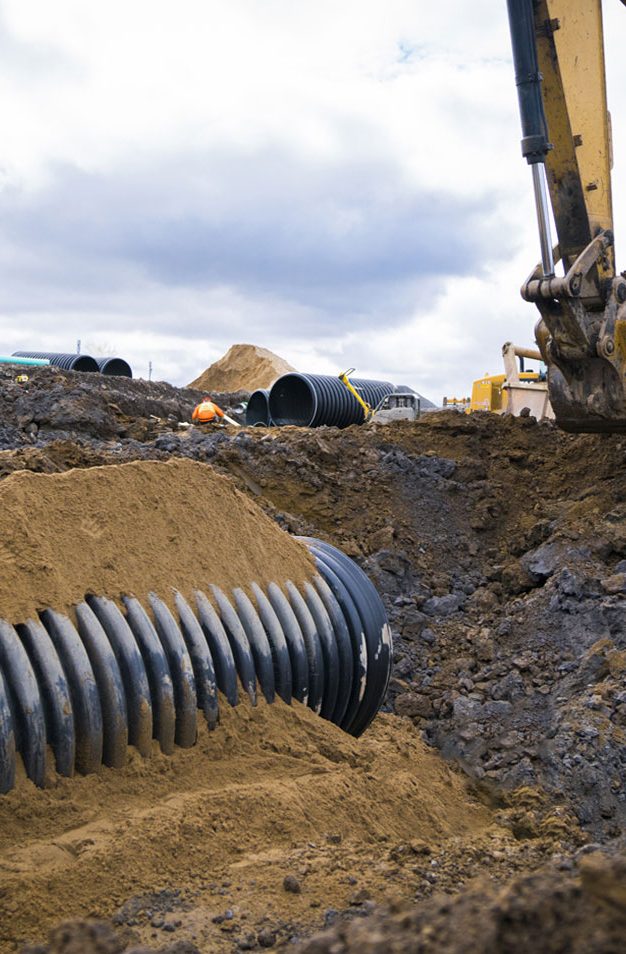
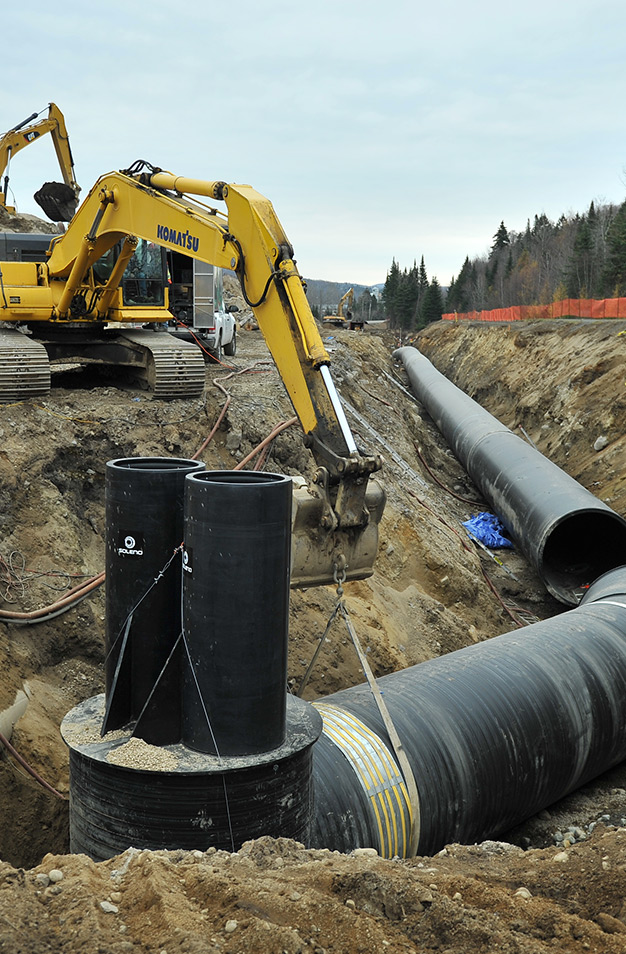
Pipe retention systems, by contrast, primarily use large-diameter pipes to create underground storage volume. They are often preferred for projects requiring very large storage capacities, simplified inspection access, or linear site configurations.
Retention chambers are frequently selected when available space is limited, when the system must be installed beneath a parking area or developed site, or when design flexibility is a key consideration.
What Types of Projects Are Best Suited for Retention Chambers?
Stormwater retention chambers are particularly well suited for projects that require underground stormwater storage while preserving the usability of the surface above.
They are commonly used beneath commercial parking lots, multi-residential developments, municipal infrastructure, schools, institutional campuses, industrial facilities, and urban redevelopment projects. Their modular design makes them especially attractive for sites with irregular geometries, limited available space, or numerous existing underground utilities.
Retention chambers are often the preferred solution when engineers need to maximize underground storage capacity while maintaining parking areas, roads, green spaces, or other site functions at the surface.
What Is the Difference Between a Retention Basin and an Infiltration Basin?
A stormwater retention basin temporarily stores runoff and releases it at a controlled rate into the storm sewer network or another approved outlet. The objective is to reduce peak discharge rates and limit the impact of rainfall events on downstream infrastructure.
An infiltration basin, on the other hand, is designed to allow stormwater to infiltrate into the surrounding soil. Instead of slowly releasing water through a control structure, the system promotes groundwater recharge by allowing water to percolate naturally into the ground.
In many projects, retention and infiltration objectives can be combined. Depending on soil permeability, groundwater conditions, and local regulations, underground chamber systems may be designed either as infiltration systems, watertight detention systems, or hybrid solutions that incorporate both functions.
Why Use Underground Retention Chambers Instead of an Open Pond?
Underground retention chambers offer several advantages over traditional open detention ponds, particularly in urban and space-constrained environments.
Because the storage volume is located below ground, the surface remains fully available for parking lots, roads, landscaped areas, or future development. This allows property owners and municipalities to maximize the use of valuable land while still meeting stormwater management requirements.
Underground systems also reduce the visual footprint of stormwater infrastructure and can simplify integration into densely developed areas where open ponds may not be feasible. For many commercial, institutional, and urban projects, underground retention chambers provide an efficient and space-saving alternative to surface detention facilities.
Can Retention Chambers Also Provide Infiltration?
Yes. Stormwater retention chambers can be designed either as infiltration systems or as watertight detention systems depending on the project’s objectives and site conditions.
When soil conditions are favorable and local regulations permit infiltration, the chambers can allow stormwater to gradually infiltrate into the surrounding soil, helping recharge groundwater and reduce runoff volumes.
Alternatively, the system can be wrapped with an impermeable geomembrane to create a fully watertight detention basin that stores stormwater and releases it at a controlled rate without infiltration. This approach is often used when groundwater protection is required, when soils have poor permeability, or when regulations require complete containment.
How Deep Can a Retention Chamber System Be Installed?
The installation depth of a stormwater retention chamber system depends on several project-specific factors, including the required storage volume, traffic loading, groundwater elevation, soil conditions, and available space on the site.
Some projects require shallow systems installed beneath parking lots, while others may involve deeper installations to maximize storage capacity or avoid conflicts with existing utilities. Because every site is unique, the optimal depth should be determined through hydraulic and geotechnical evaluation during the design phase.
An experienced design team can help evaluate these parameters and develop a system configuration adapted to the project’s specific requirements.
What Is the Best Stormwater Retention System?
There is no single stormwater retention system that is best for every project. The most suitable solution depends on the required storage volume, available footprint, installation depth, maintenance requirements, hydraulic objectives, and construction constraints.
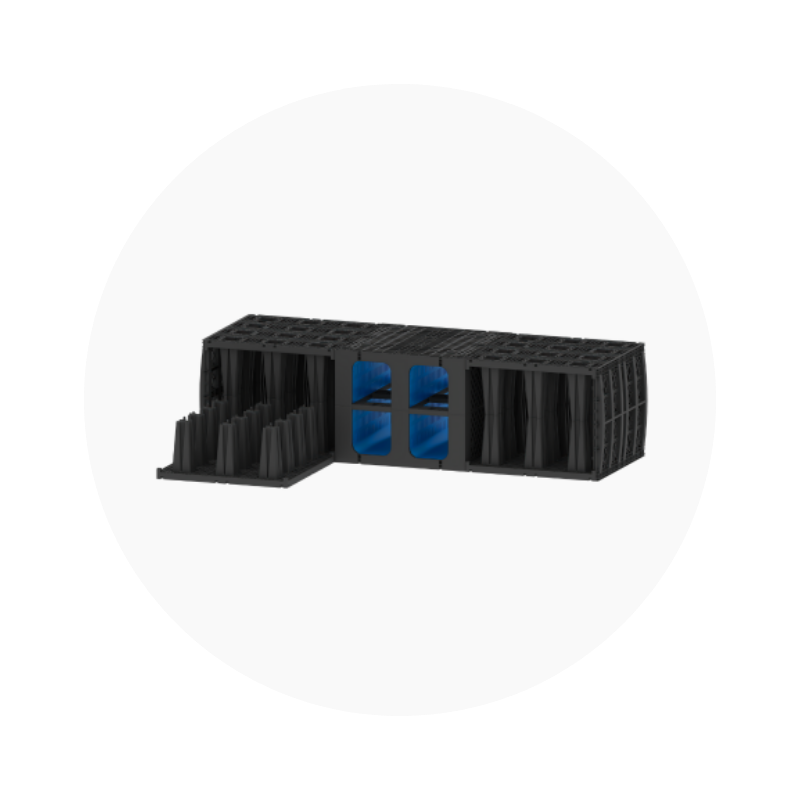
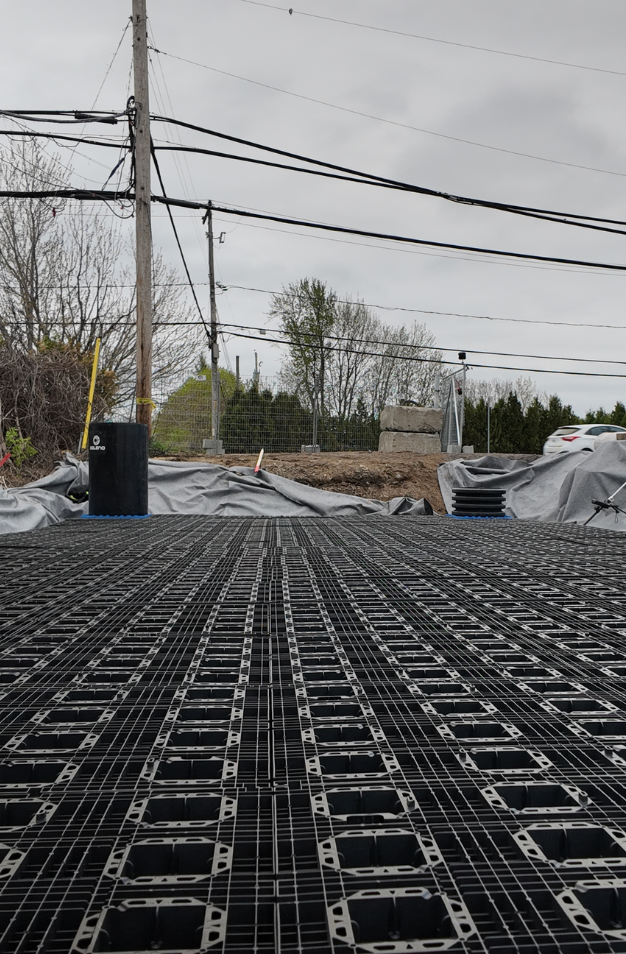
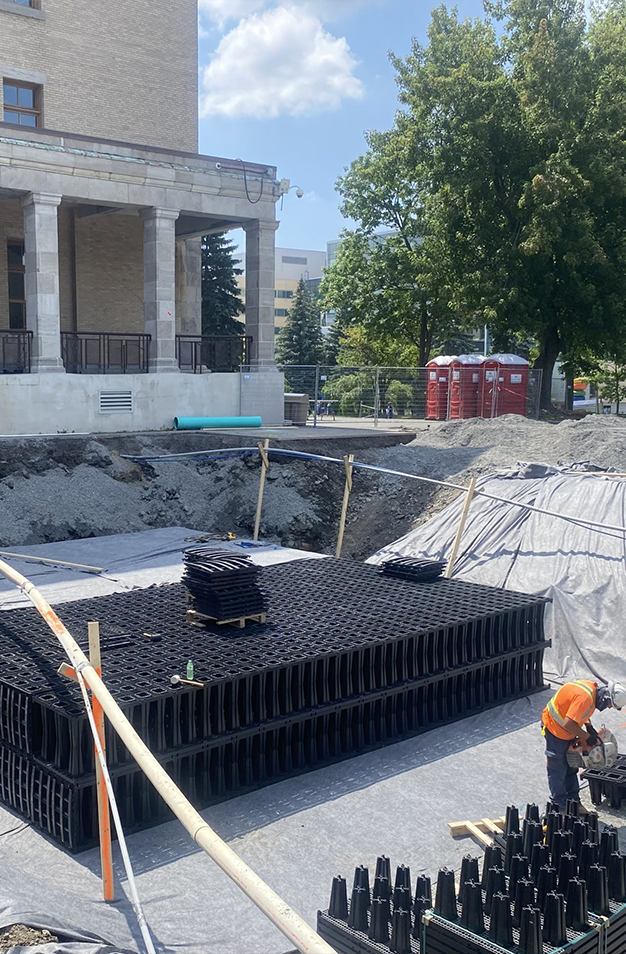
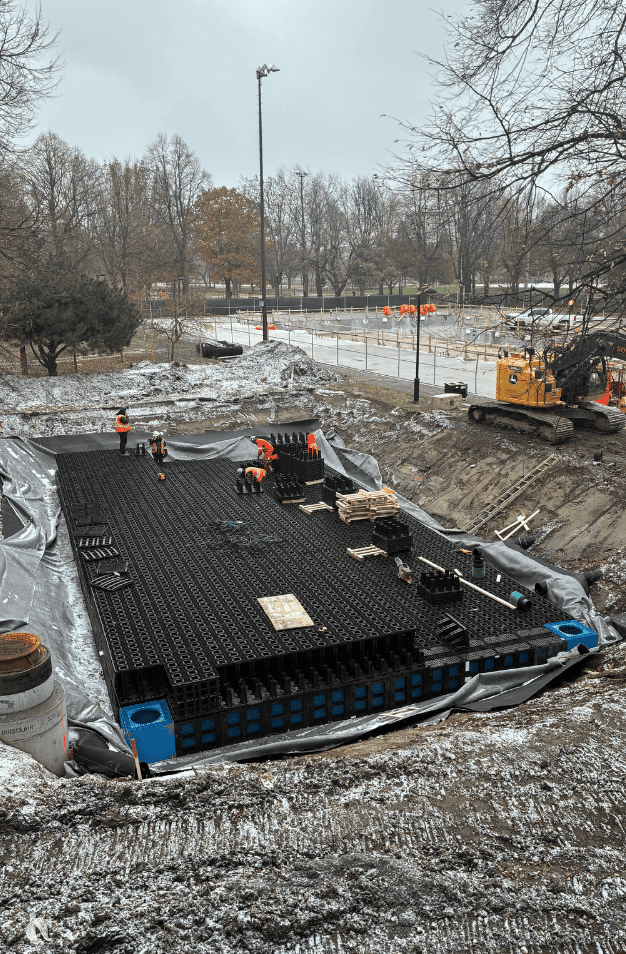
Stormwater retention chambers are often an excellent option for projects with limited space because they maximize underground storage while preserving the use of the surface. Pipe retention systems may be better suited for very large storage volumes or projects requiring simplified inspection access, while geocellular systems can provide exceptional storage efficiency in highly constrained urban environments.
Selecting the right solution requires evaluating the specific technical and operational requirements of the project.
What Is the Service Life of a Retention Chamber System?
The service life of a stormwater retention chamber system depends on the materials used, installation quality, environmental conditions, and long-term maintenance practices.
Systems manufactured from high-density polyethylene (HDPE) are widely recognized for their durability, corrosion resistance, and long-term structural performance. Unlike traditional materials that may deteriorate over time due to chemical exposure or corrosion, HDPE provides a highly durable solution capable of supporting the long service life expected from modern stormwater infrastructure.
Can Retention Chambers Be Used on Constrained Sites?
Yes. Stormwater retention chambers are particularly well suited for constrained sites where available space is limited or where existing infrastructure creates design challenges.
Their modular design allows engineers to adapt the system geometry to fit irregular spaces, work around underground utilities, or maximize storage beneath parking areas and developed sites. This flexibility makes retention chambers an attractive option for urban developments, redevelopment projects, and sites where conventional stormwater solutions may be difficult to implement.
Can I Get Assistance Designing a Retention Basin?
Yes. Soleno’s stormwater experts can assist engineers, consultants, and project teams throughout the design process.
This support may include evaluating project requirements, selecting the most appropriate stormwater retention technology, optimizing the use of available space, and developing preliminary system configurations. Soleno also provides technical expertise and design support to help simplify the planning and implementation of stormwater management projects.
Can a Pretreatment System Be Integrated with a Retention Basin?
Yes. Pretreatment is often an important component of a stormwater retention system because it helps protect the long-term performance of the basin.
Pretreatment systems are designed to capture sediment, debris, hydrocarbons, and other pollutants before stormwater enters the underground storage system. By reducing the amount of material reaching the retention basin, pretreatment helps maintain hydraulic performance, simplifies maintenance activities, and can improve the quality of water discharged from the site.
For many municipal, commercial, and institutional projects, integrating pretreatment with stormwater retention is considered a best practice for achieving long-term system performance and sustainability.