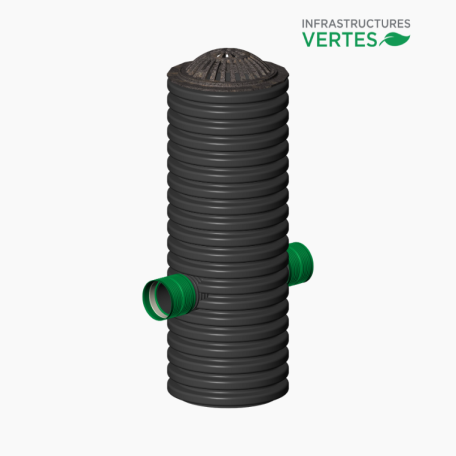
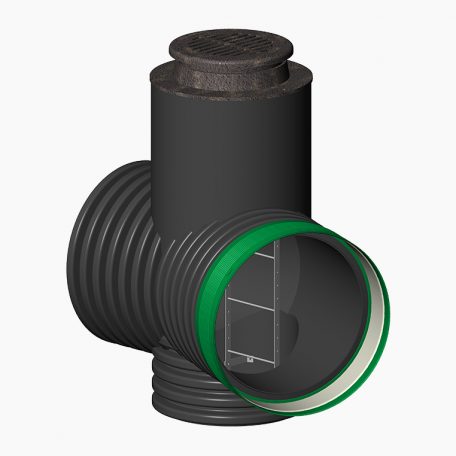
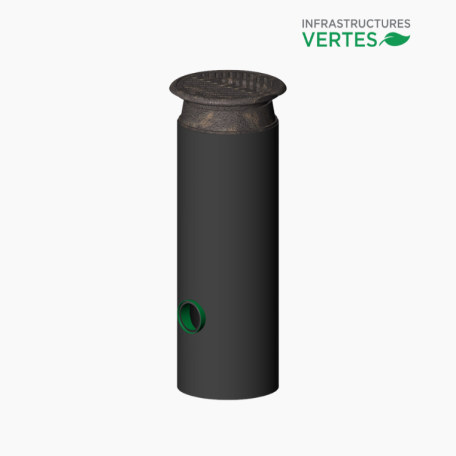
Why Choose a Linear Catch Basin?
A continuous stormwater collection solution for surface drainage
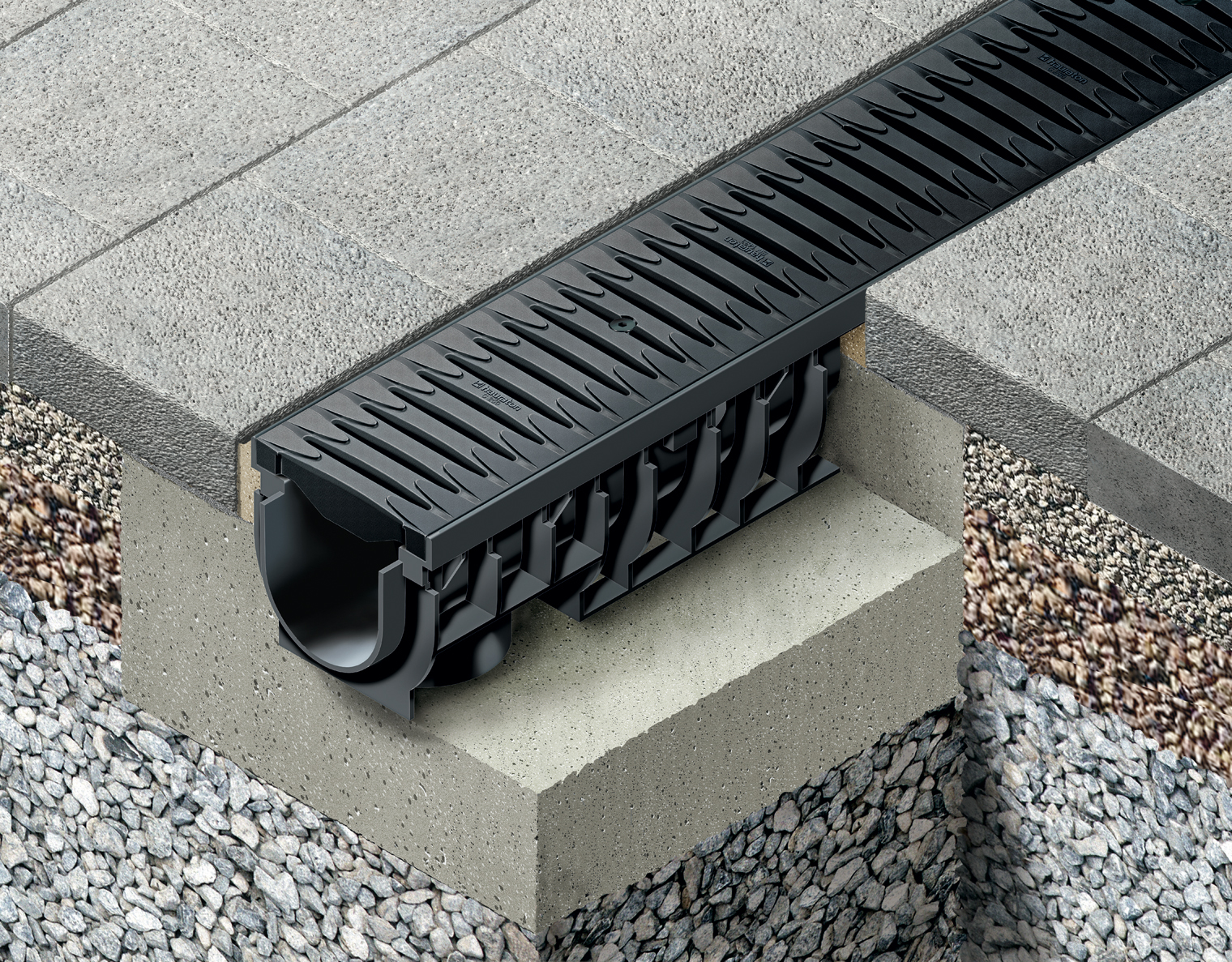
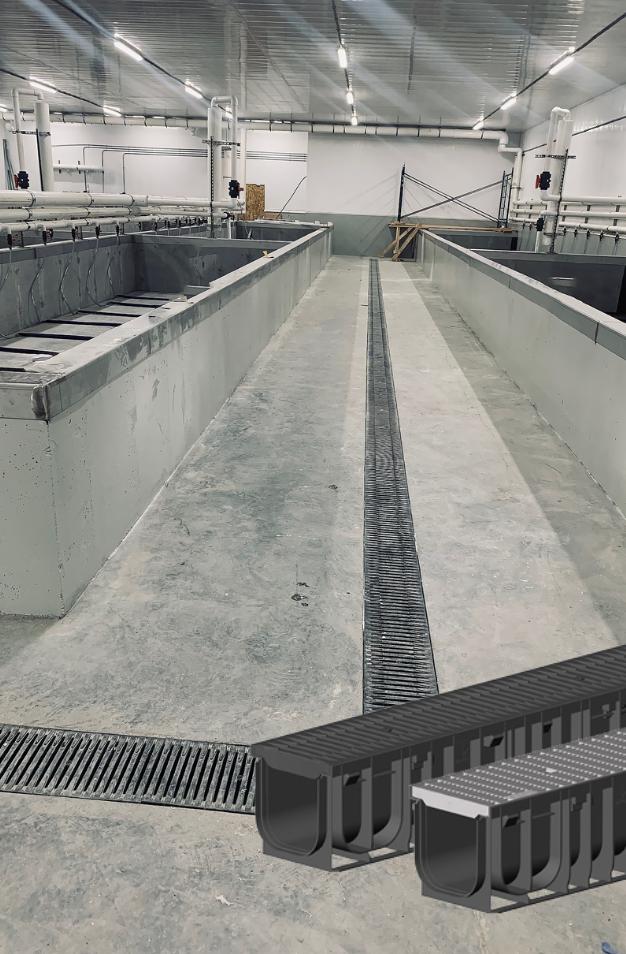
A linear catch basin helps capture stormwater runoff across a defined width instead of relying on a single collection point. This makes it especially useful when runoff flows across a surface and needs to be intercepted before it accumulates or reaches an area that must be protected.
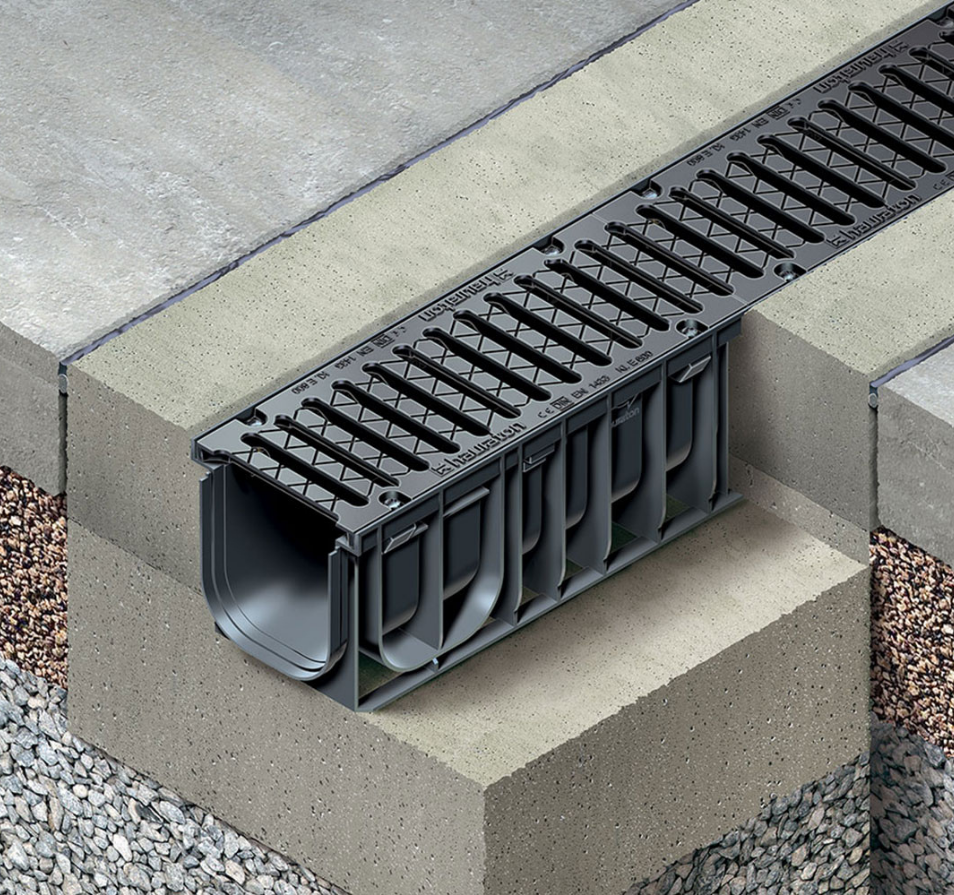
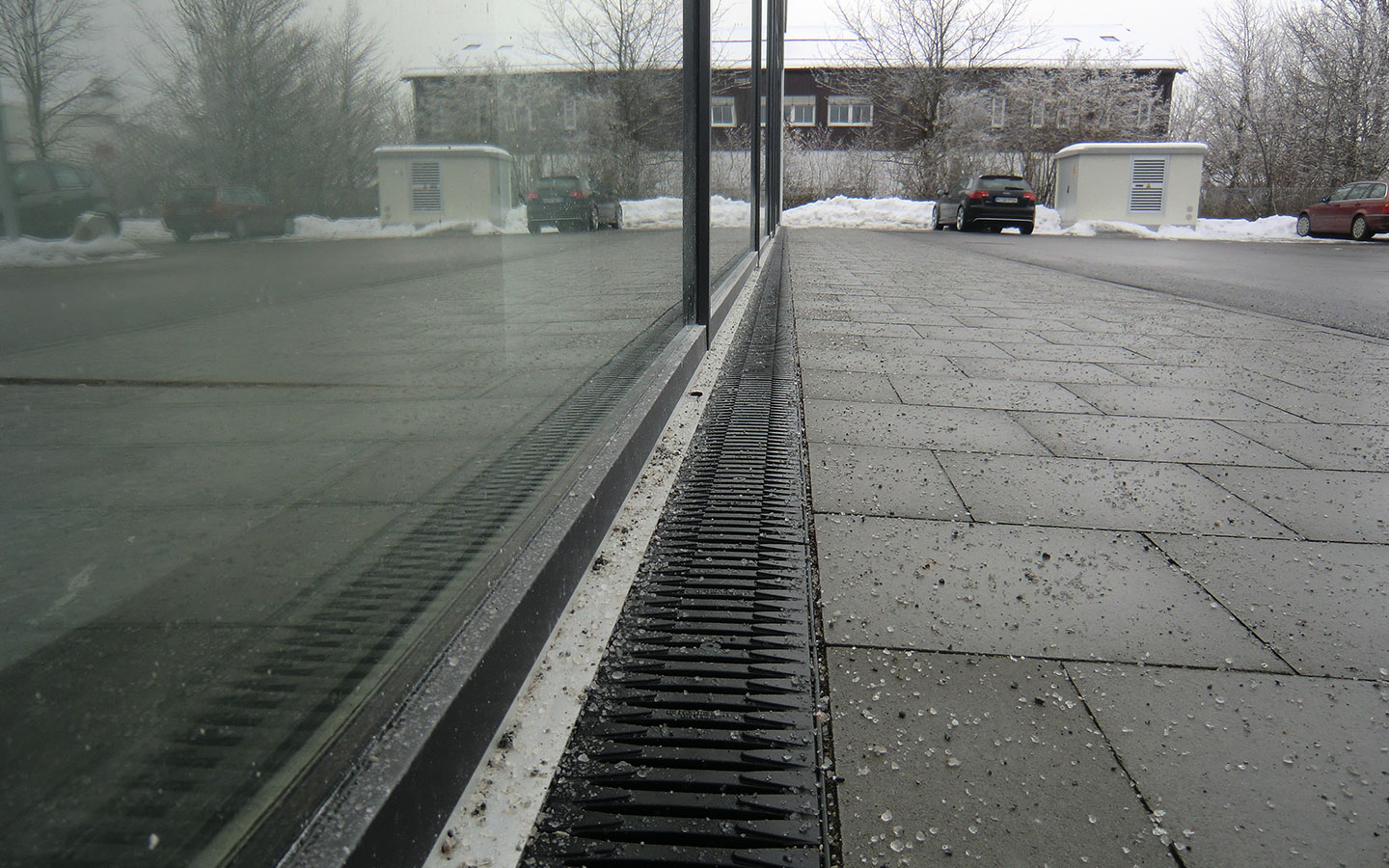
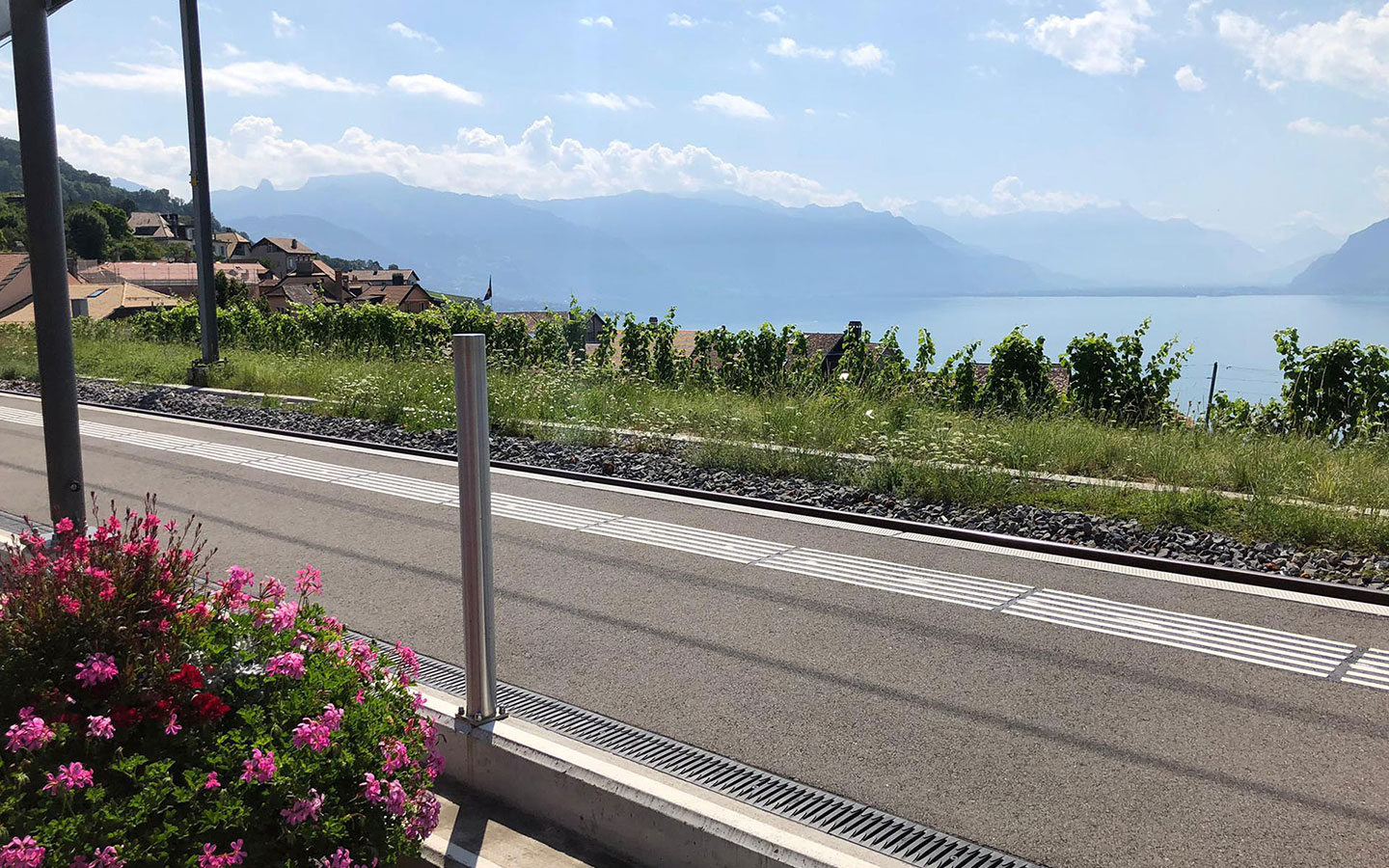
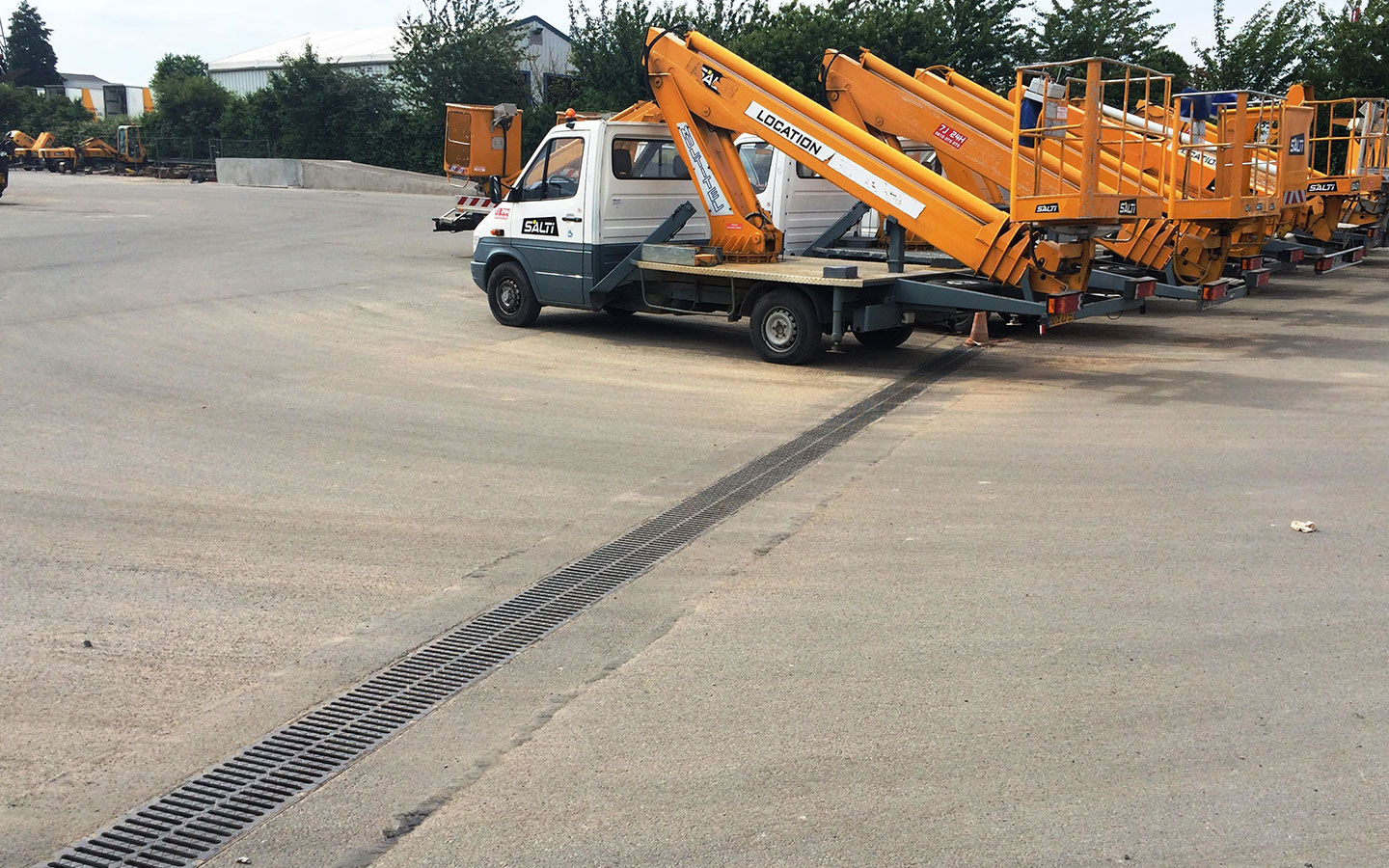
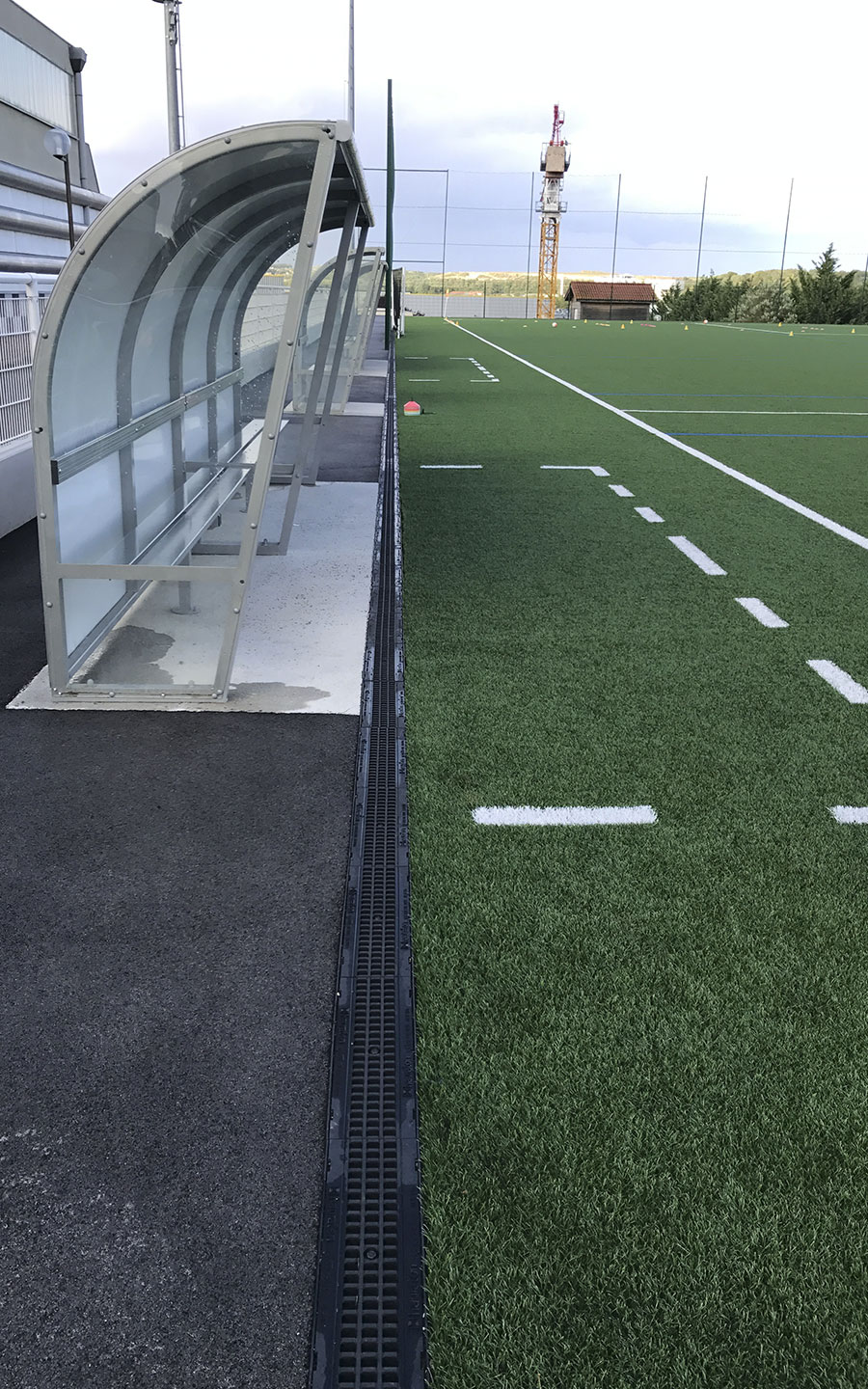
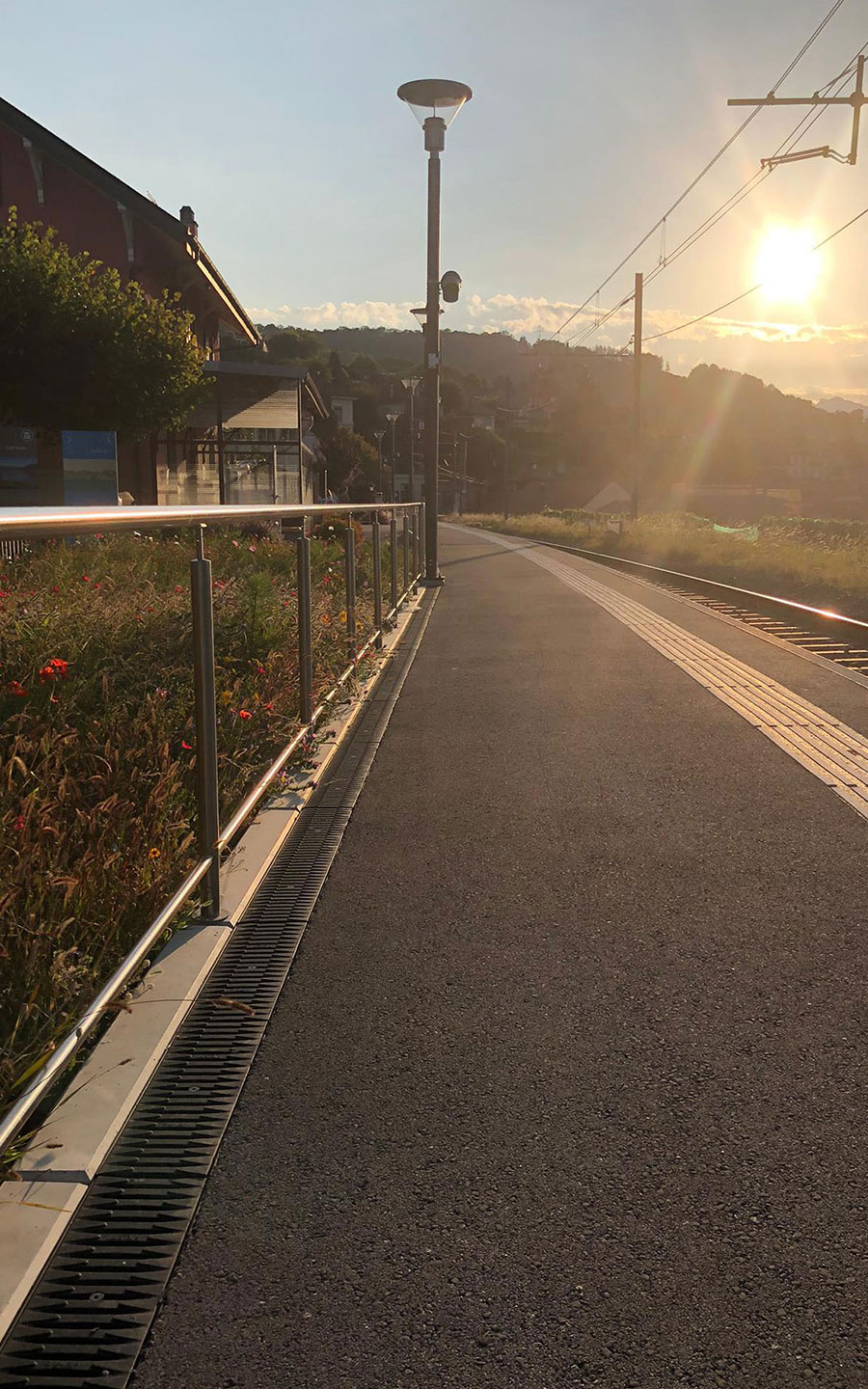
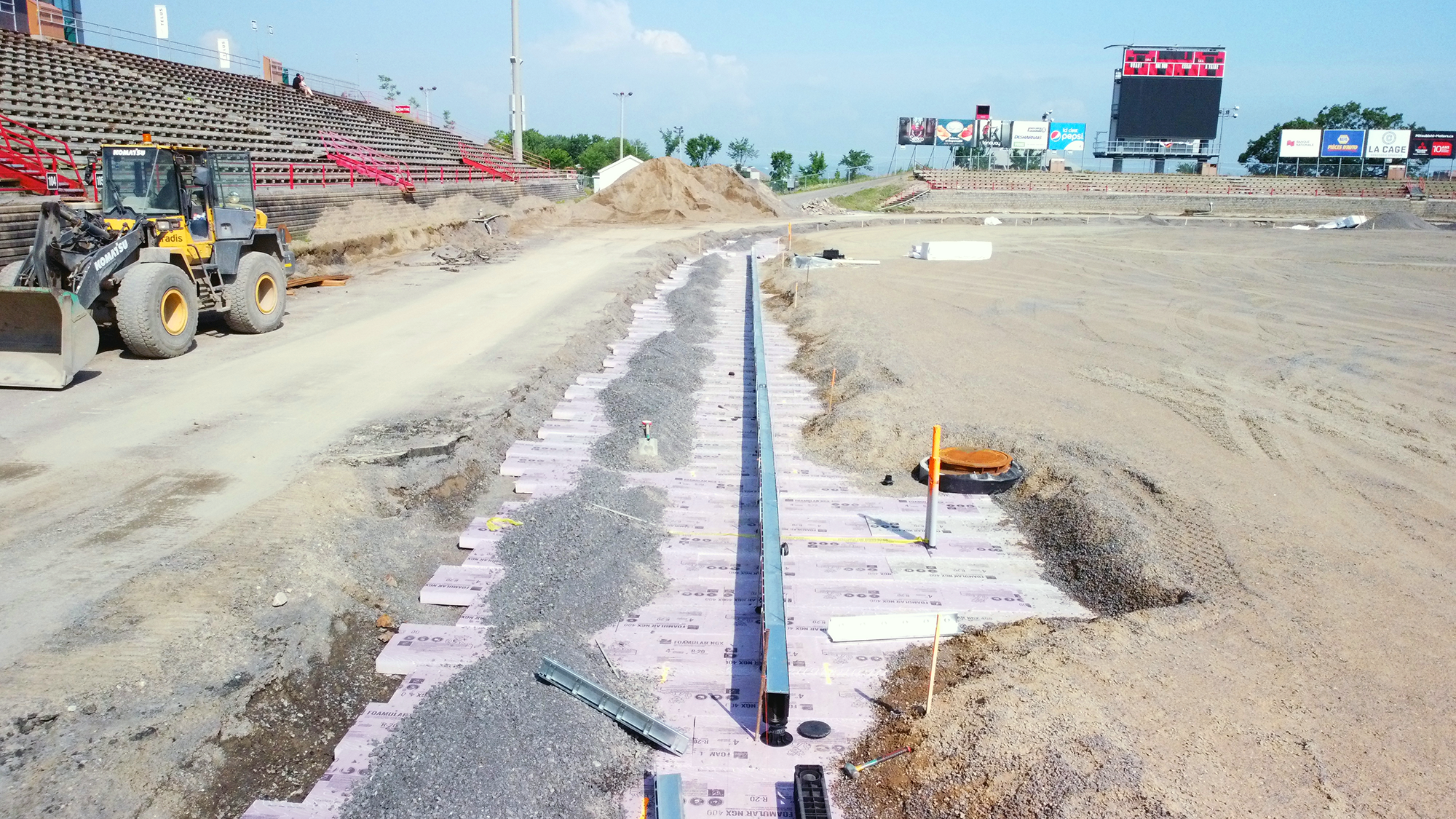
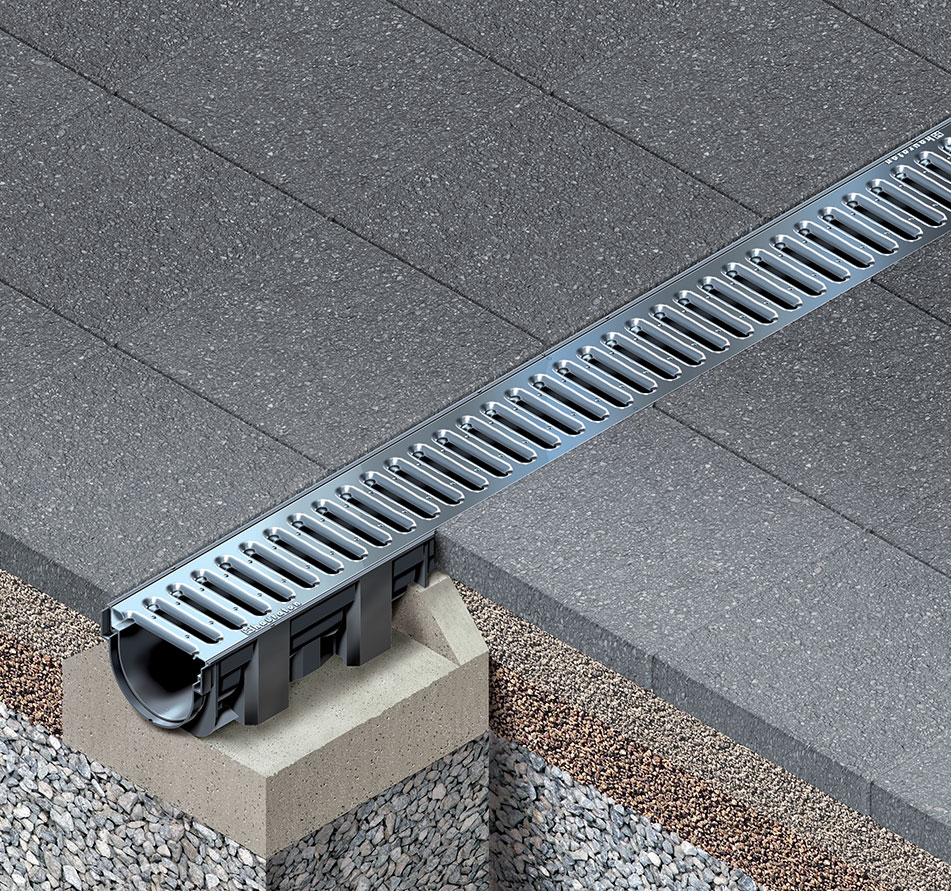
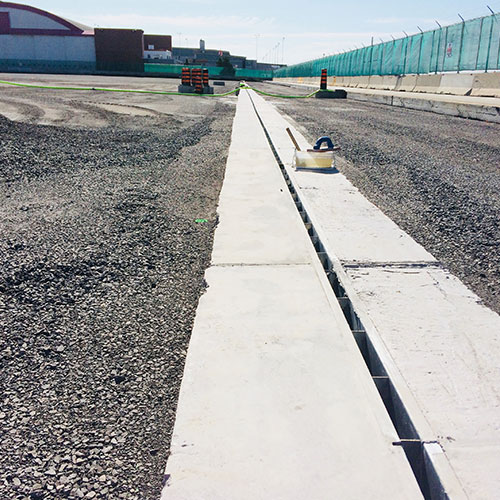
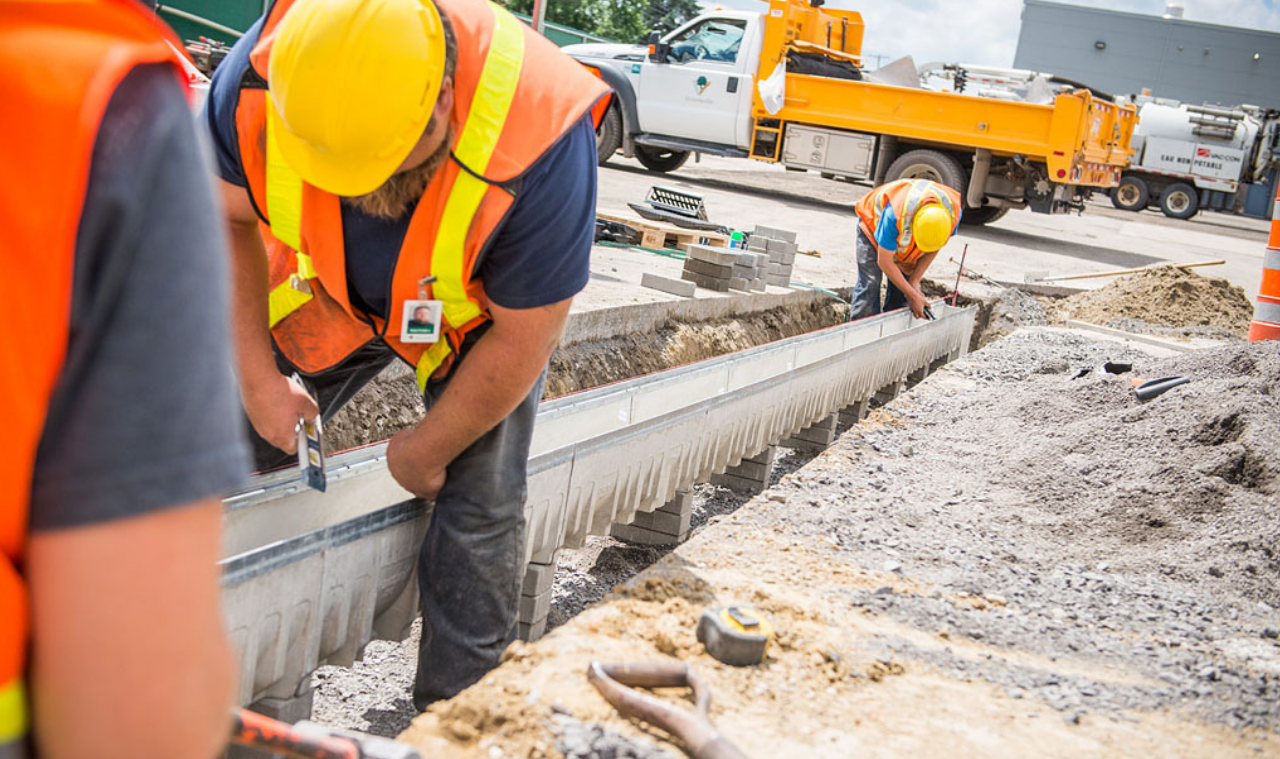
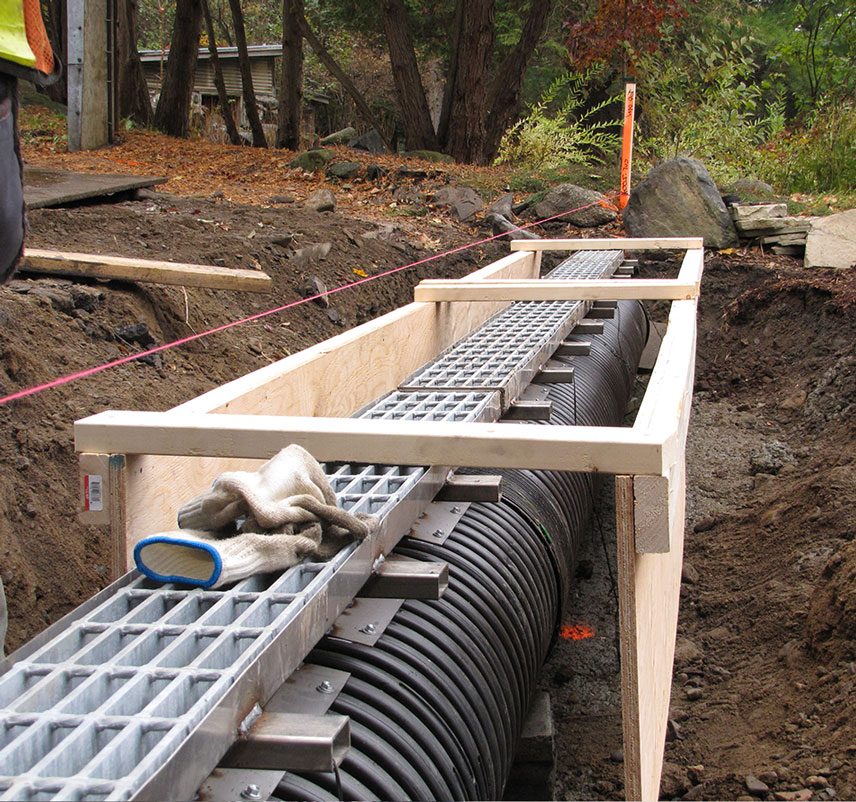
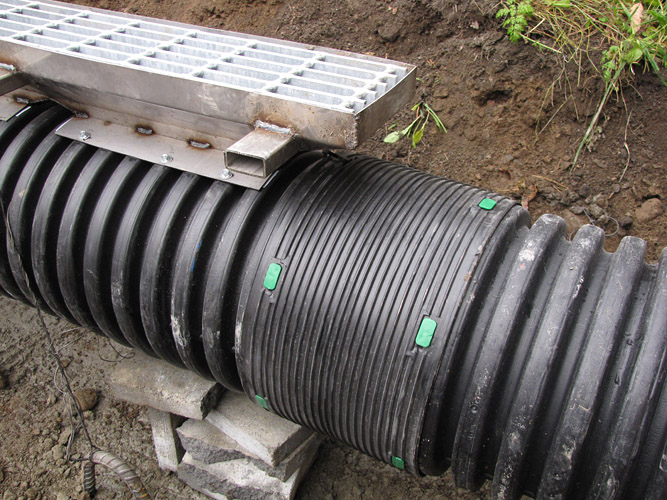
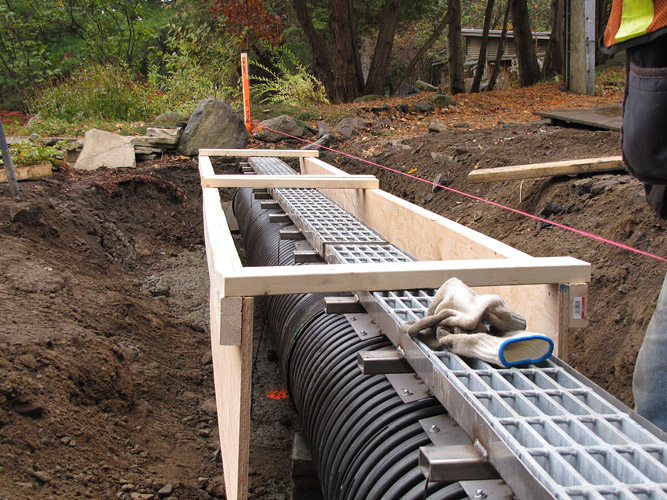
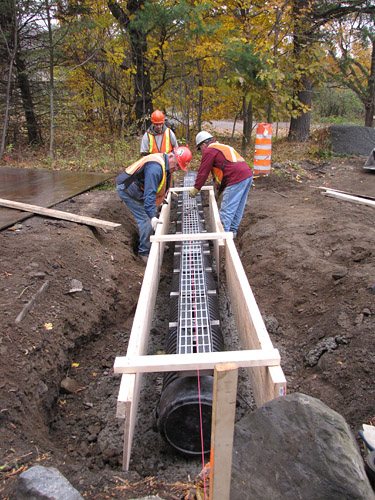
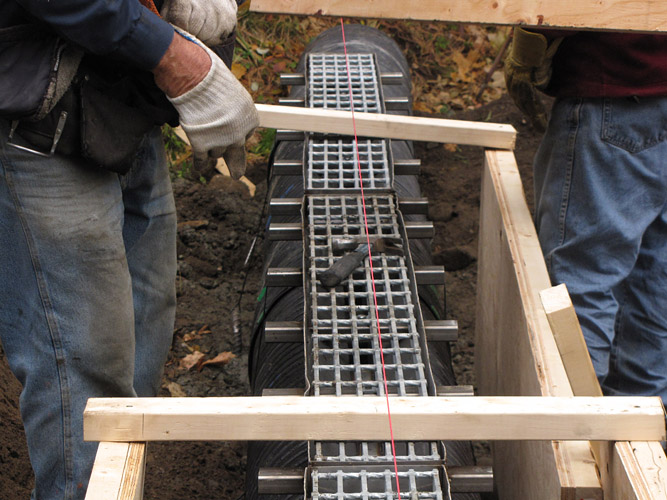
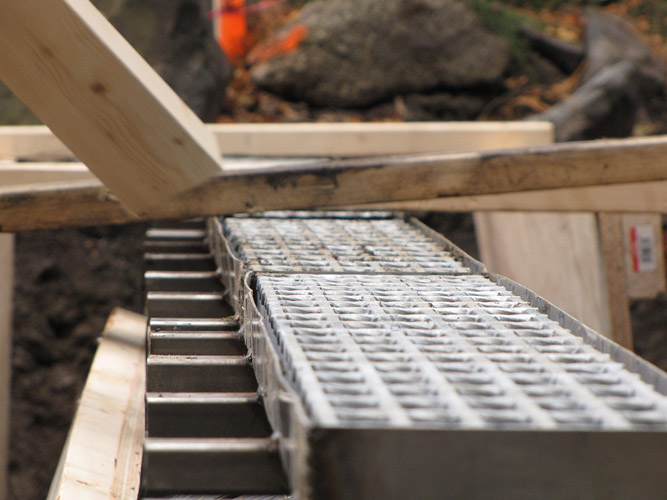
Installed perpendicular to the direction of flow, the linear catch basin can improve surface drainage in parking areas, streets, sloped entrances and paved areas. Its configuration allows water to be collected along a continuous grate and conveyed toward the drainage network.
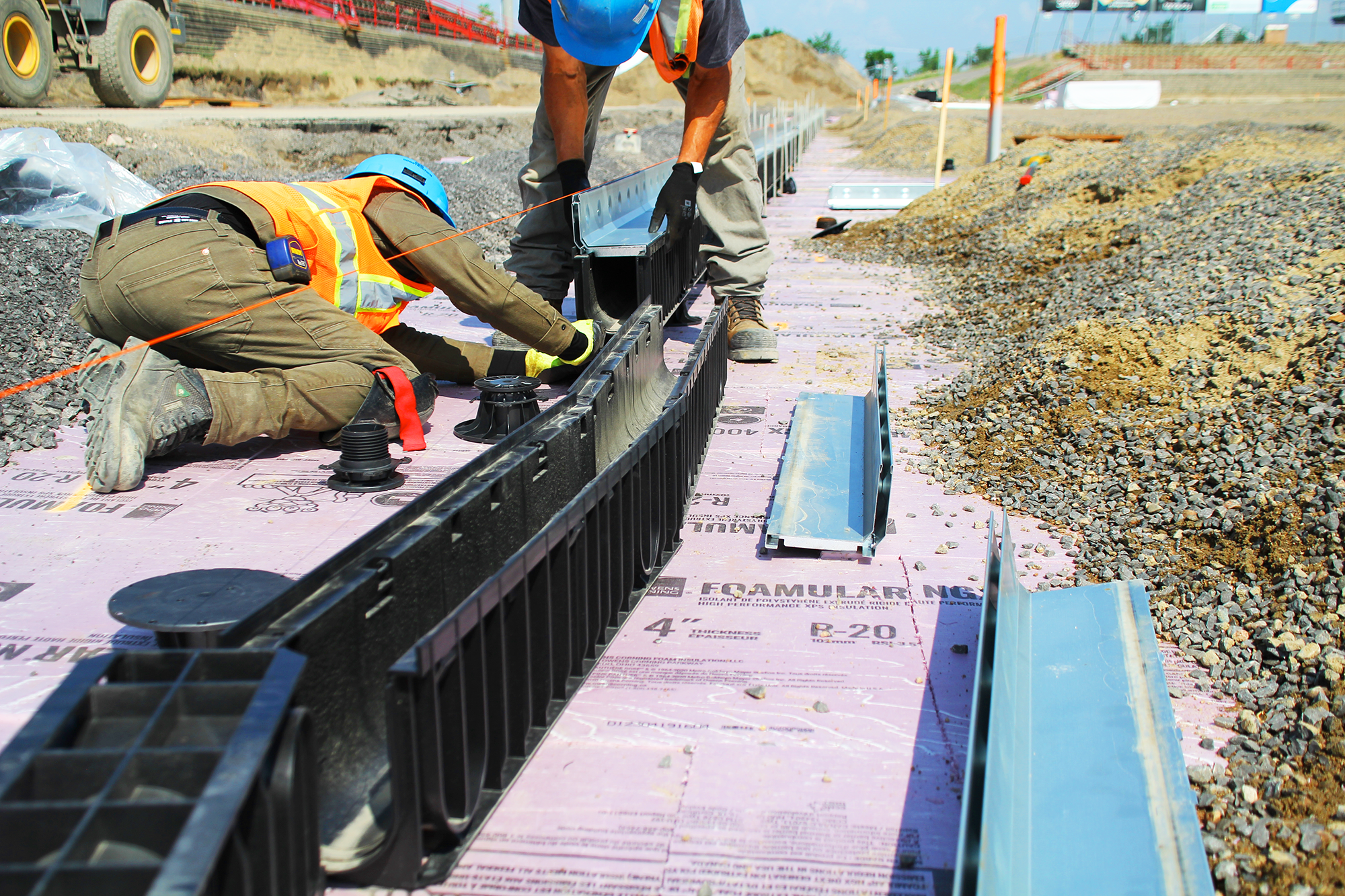
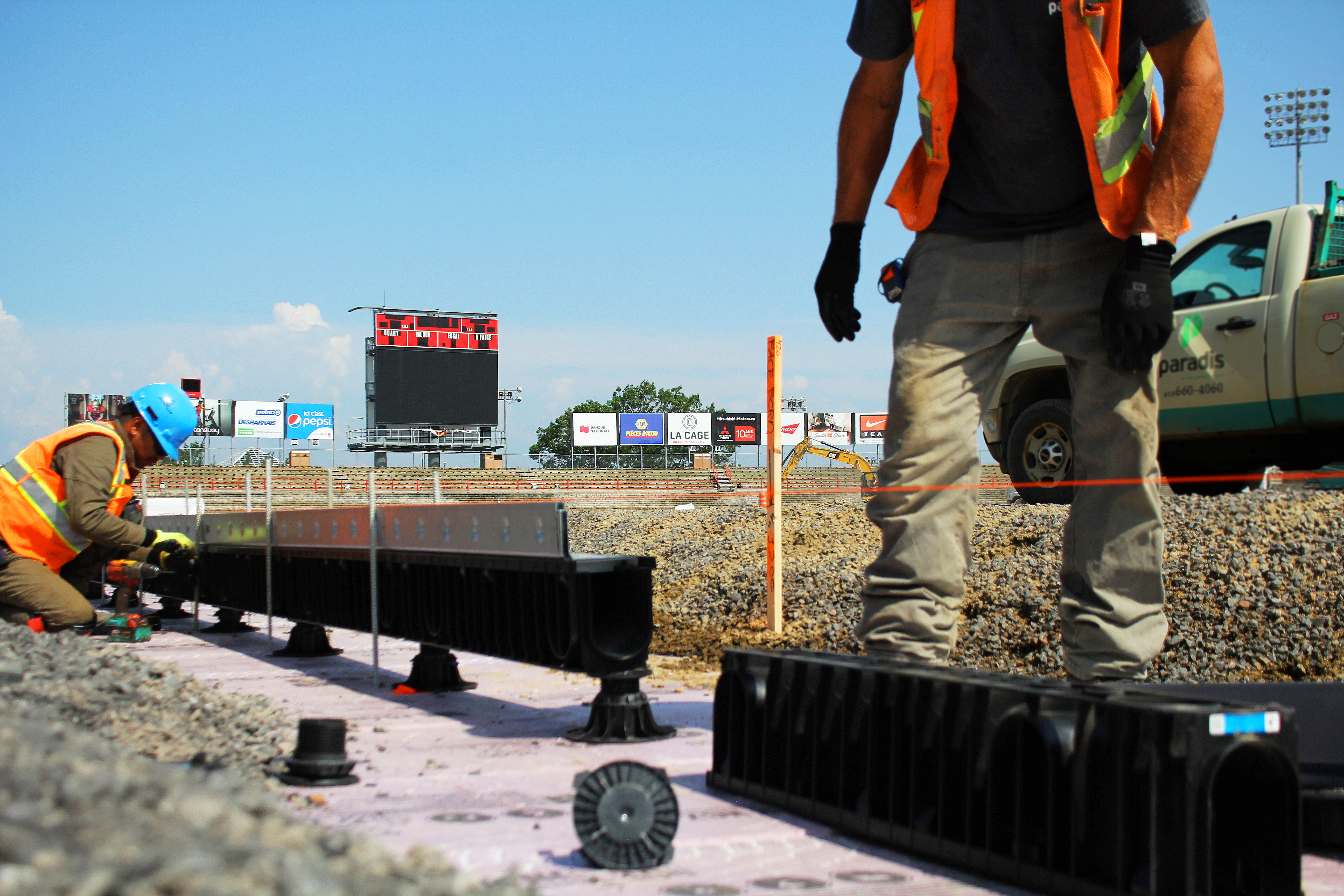
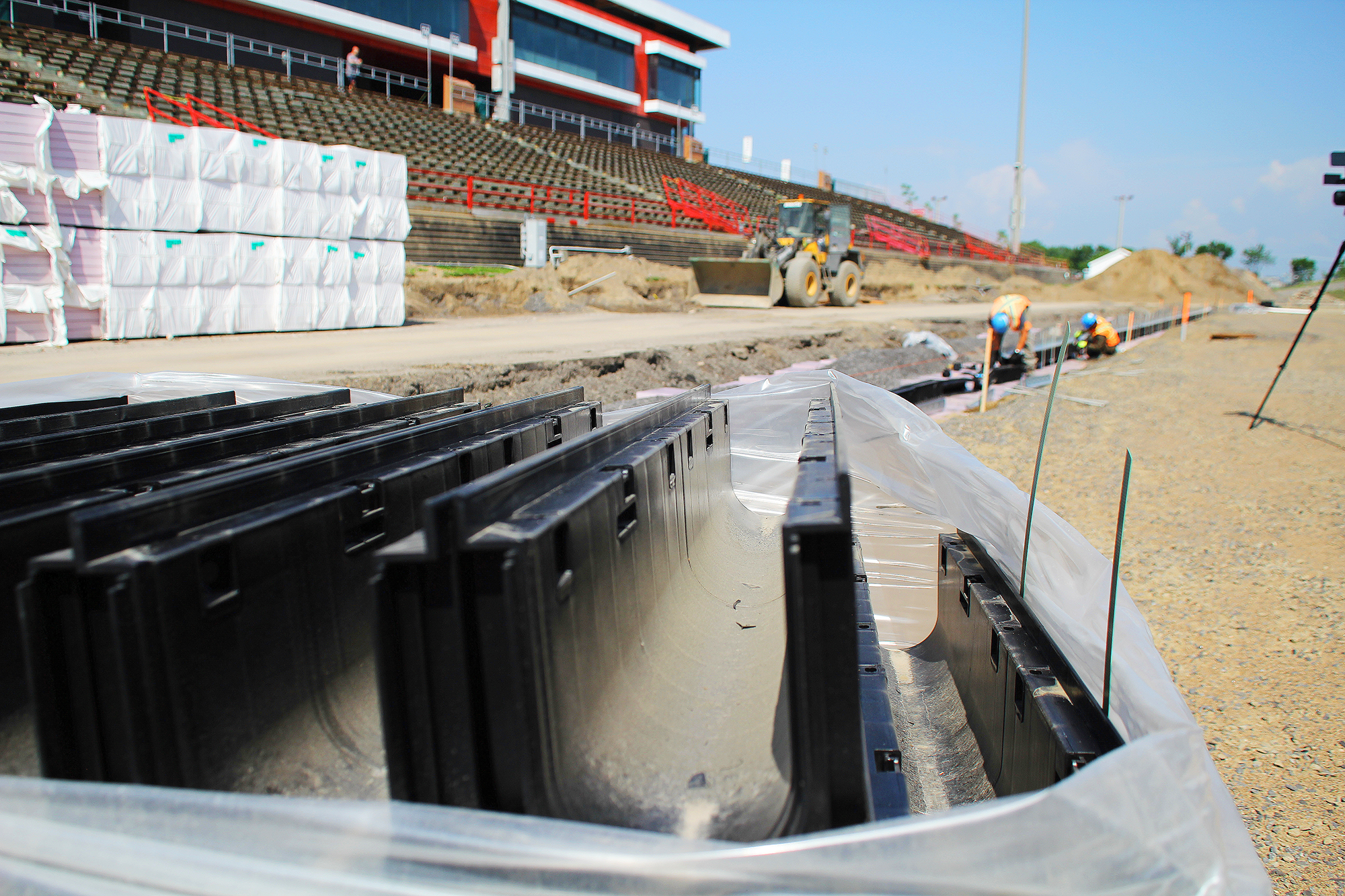
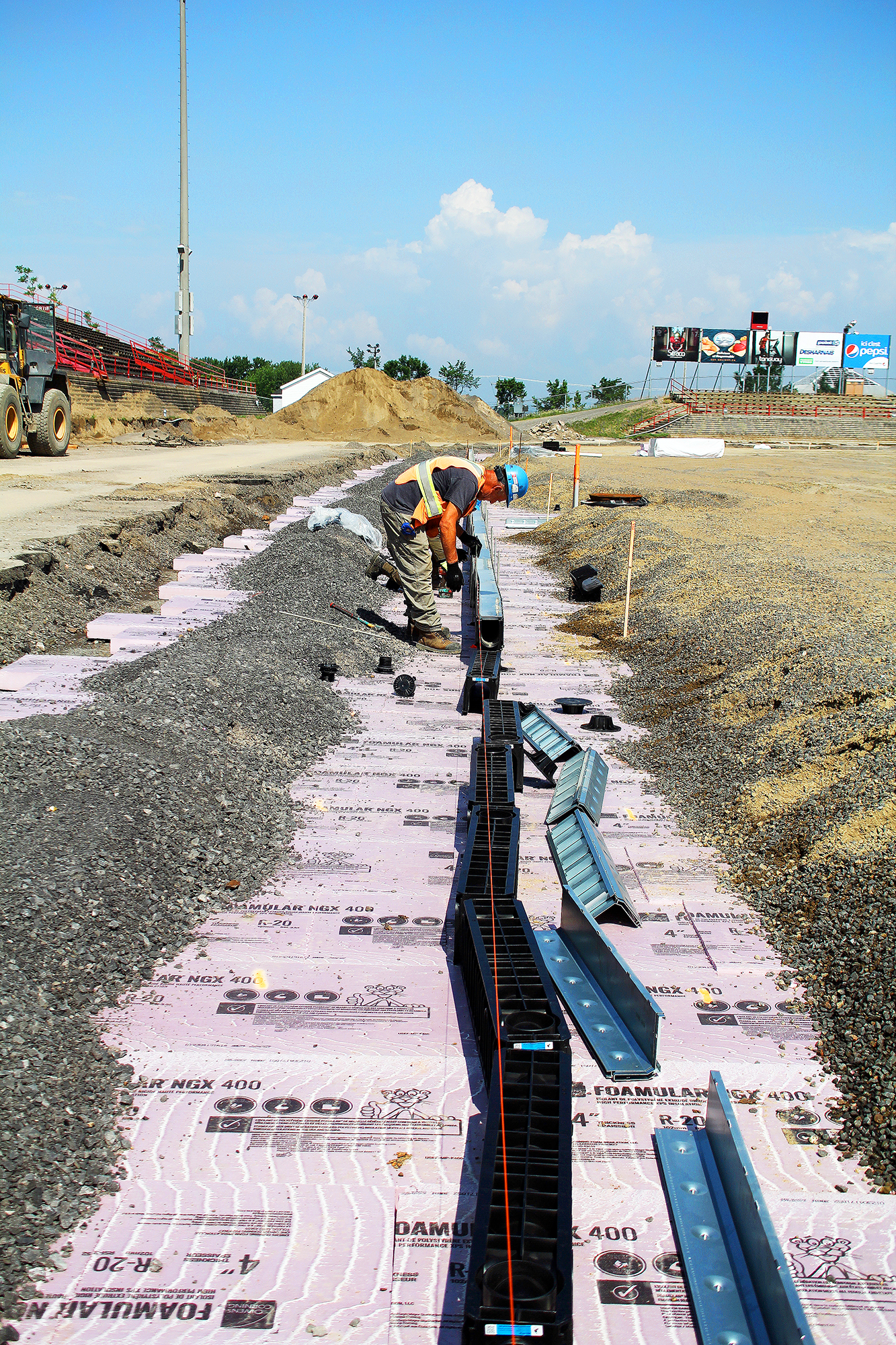
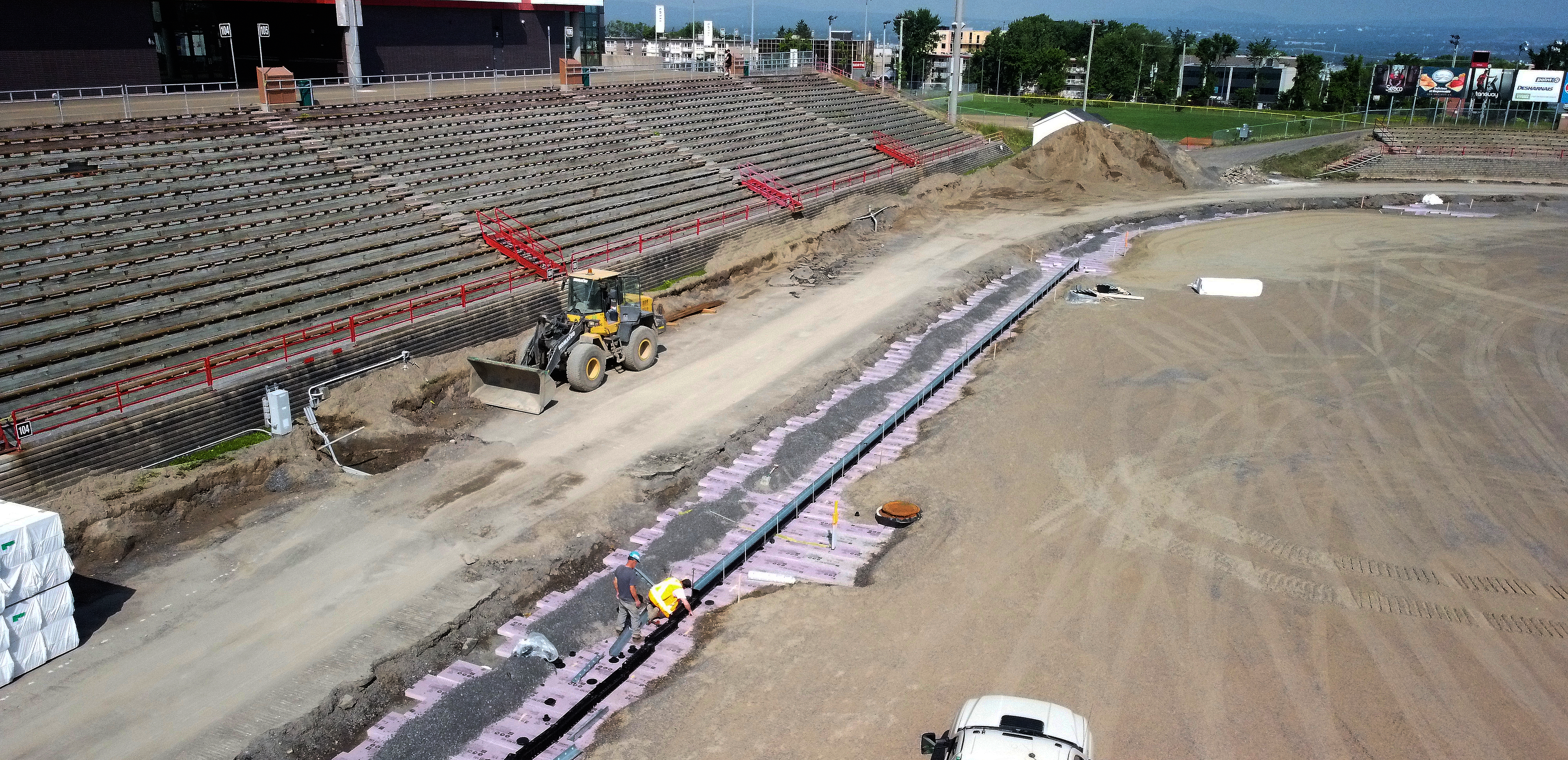
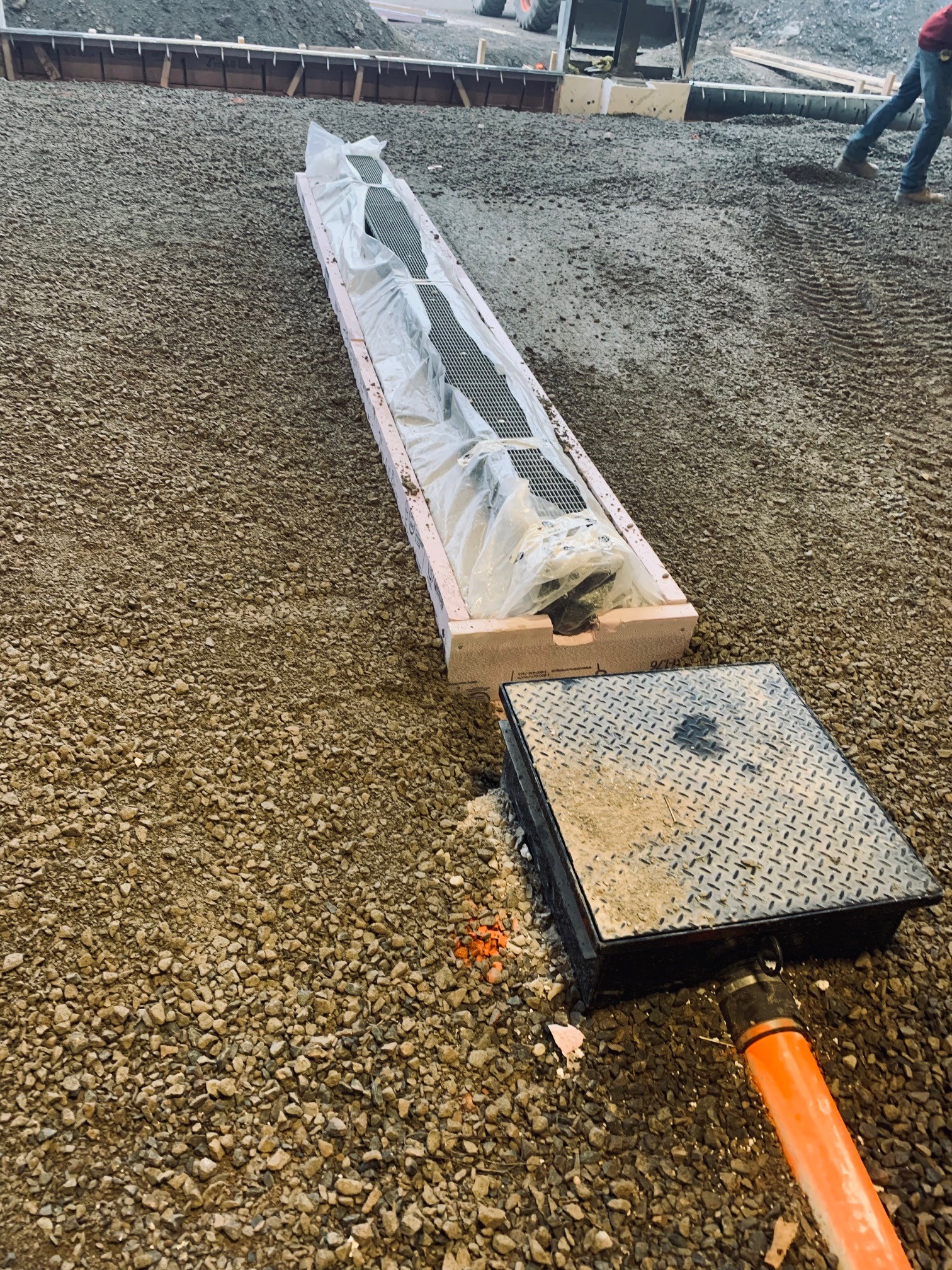
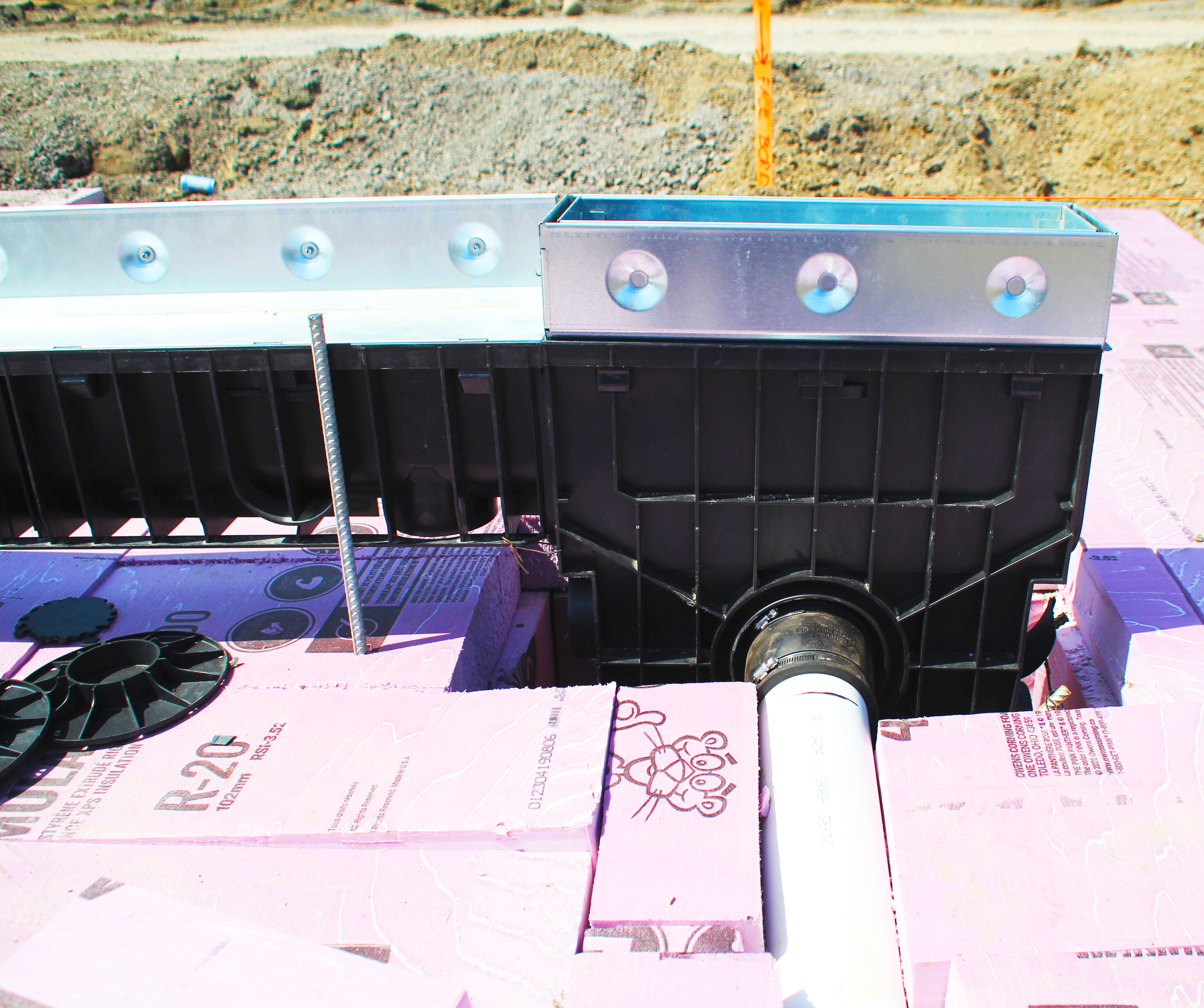
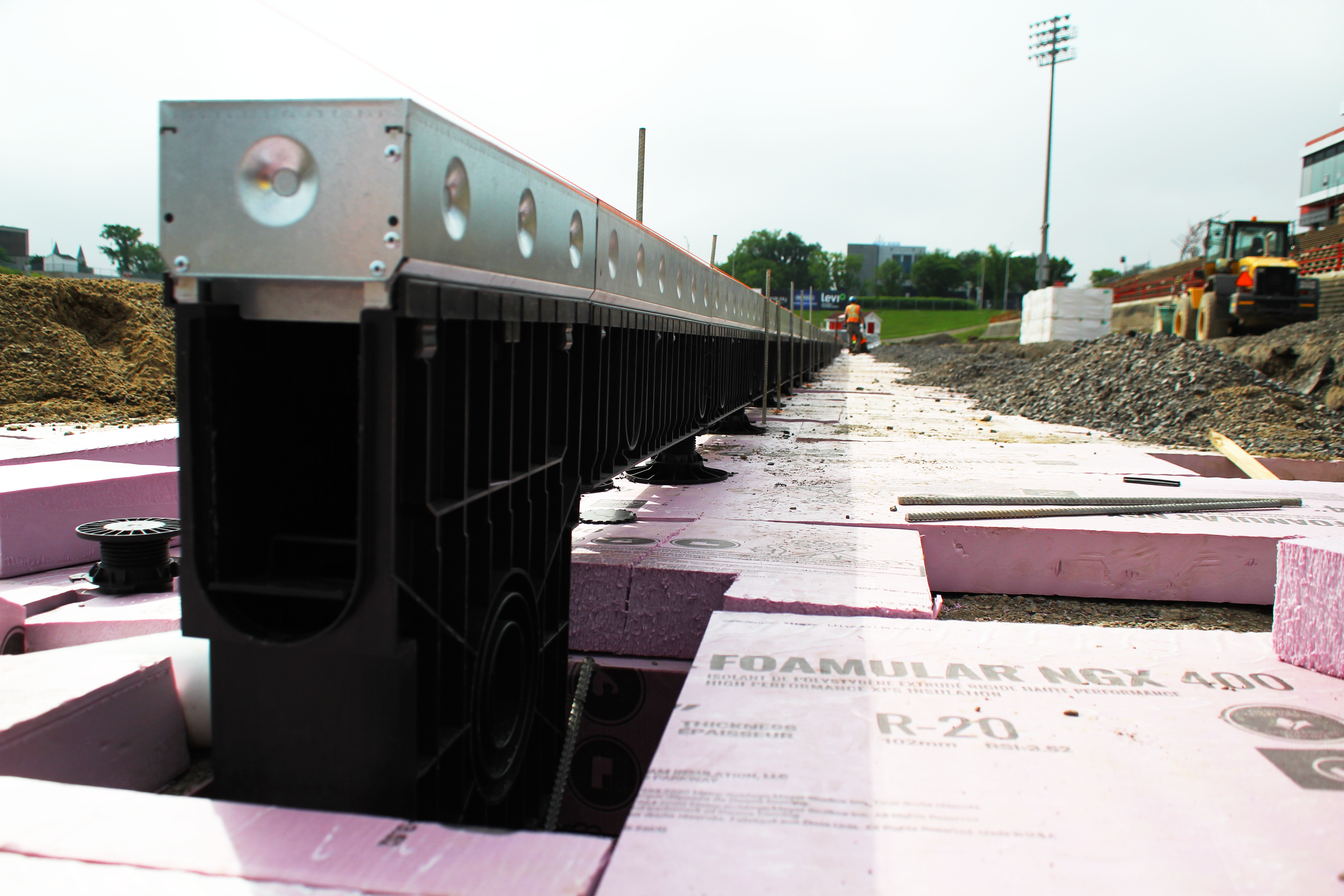
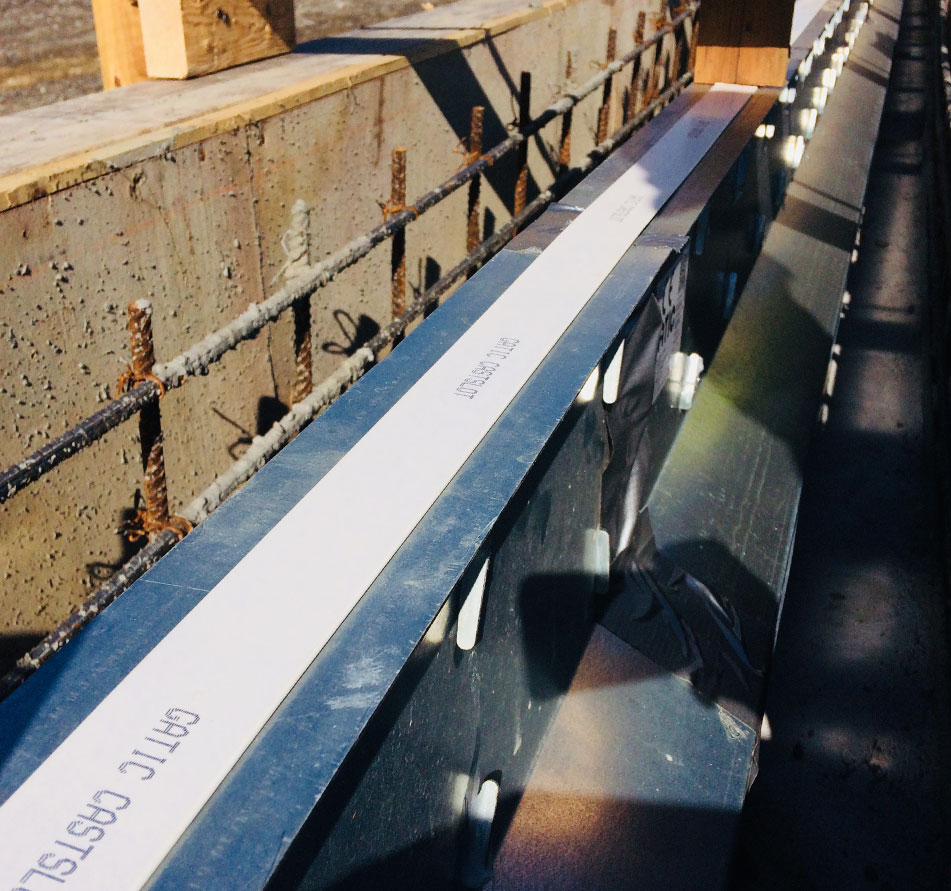
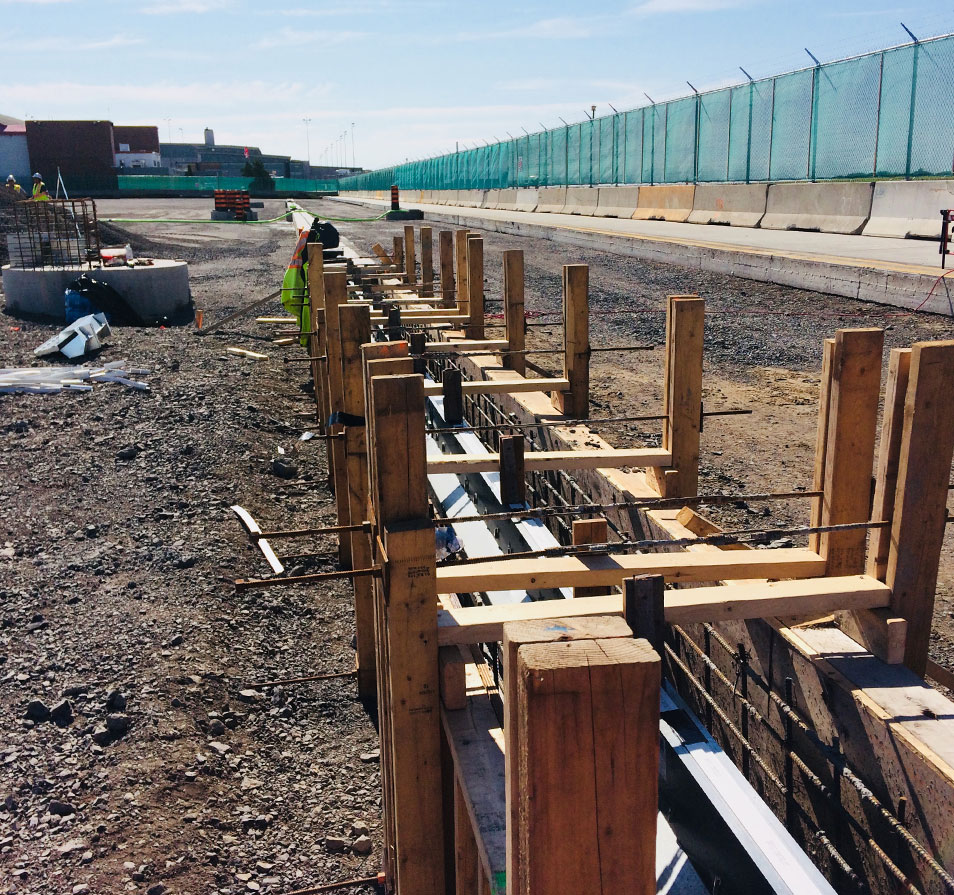
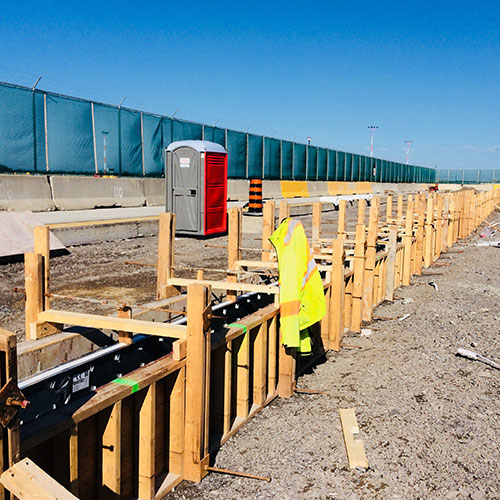
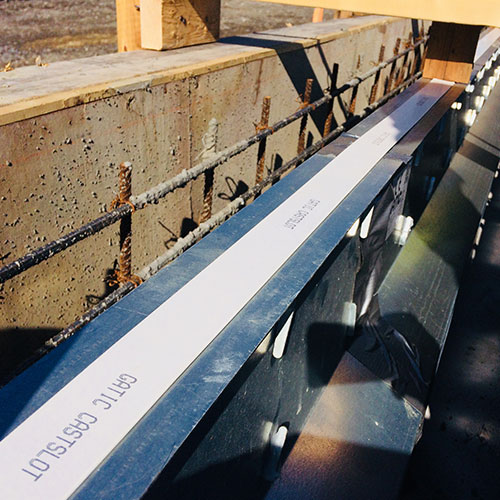
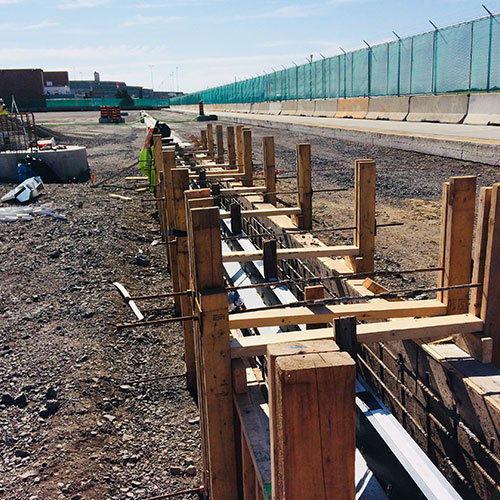
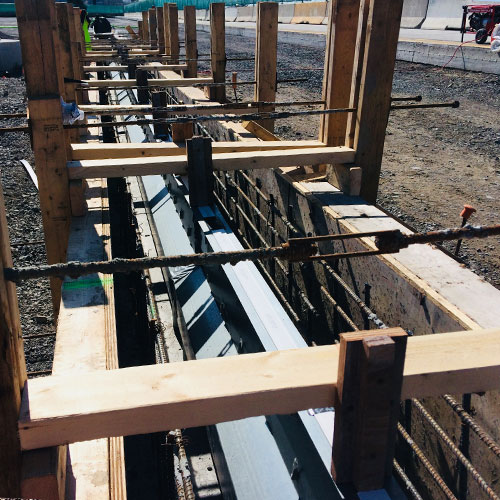
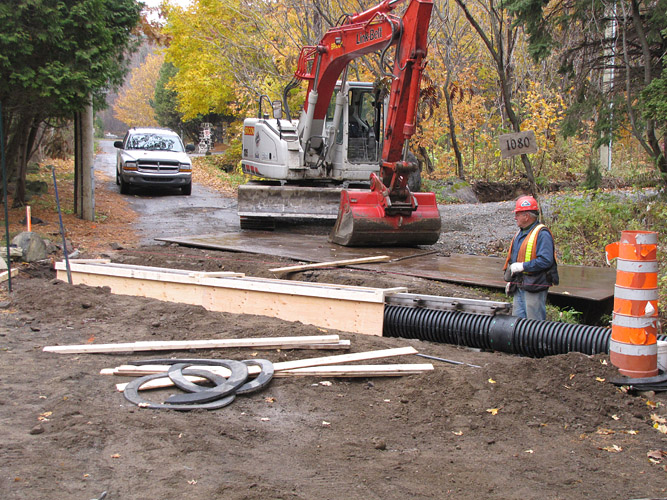
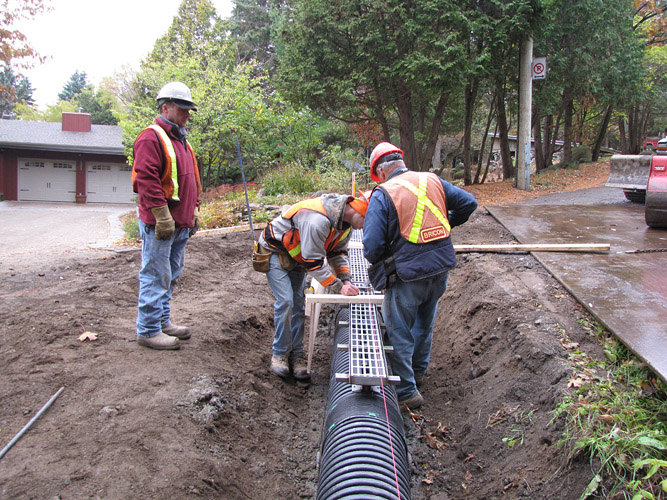
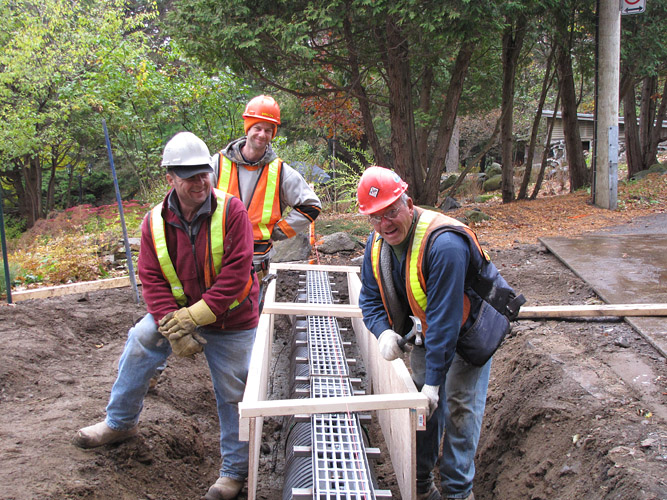
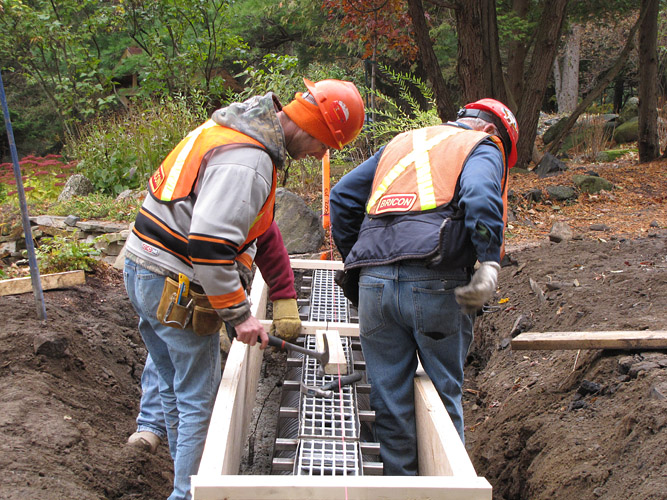
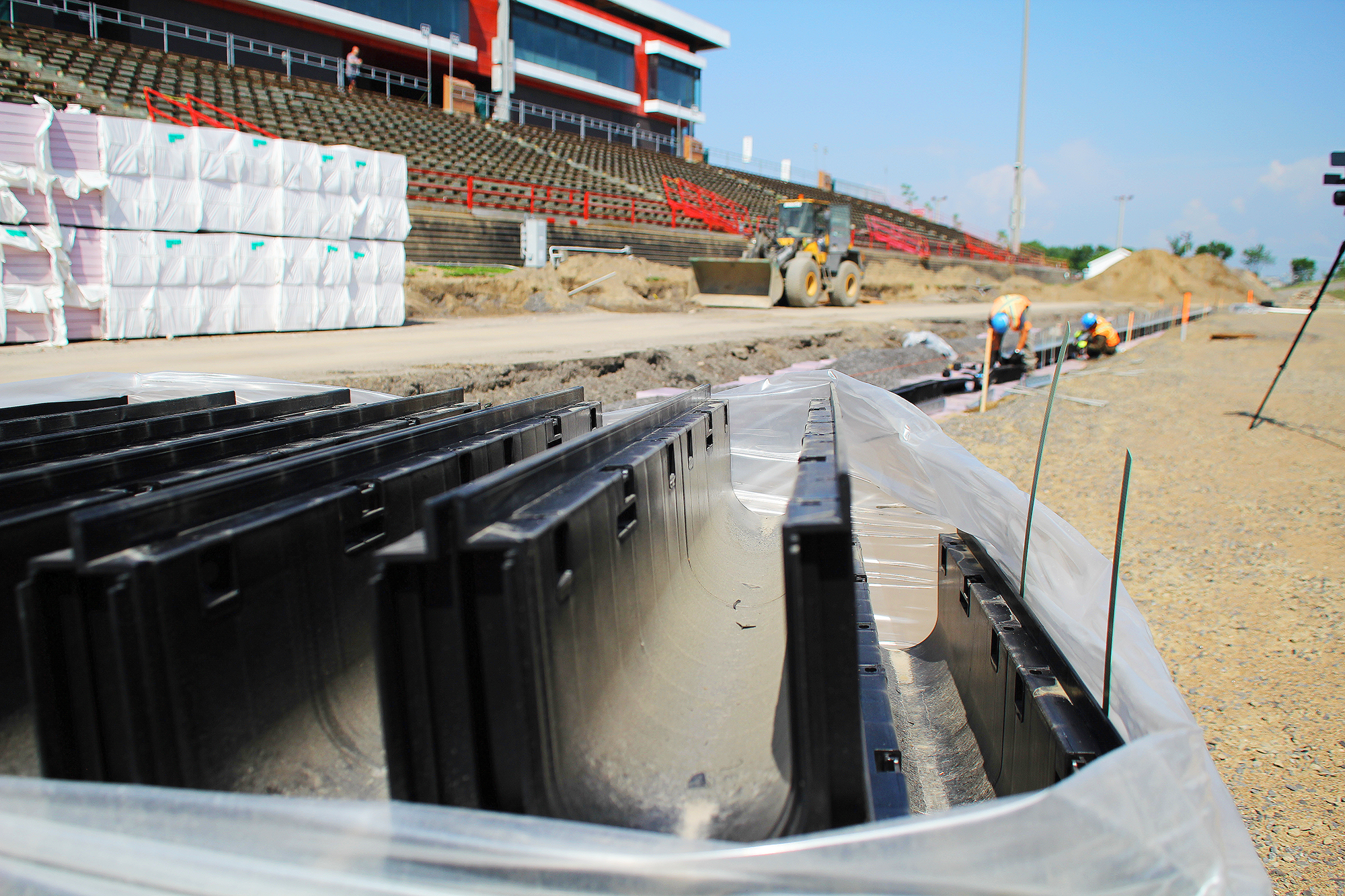
The product can also help simplify installation by reducing excavation area and depth compared with certain conventional drainage solutions. Factory adjustment makes it possible to adapt the system to site slopes and project constraints, helping improve fit and performance in the field.
Common Applications
- Parking Areas and Paved Surfaces
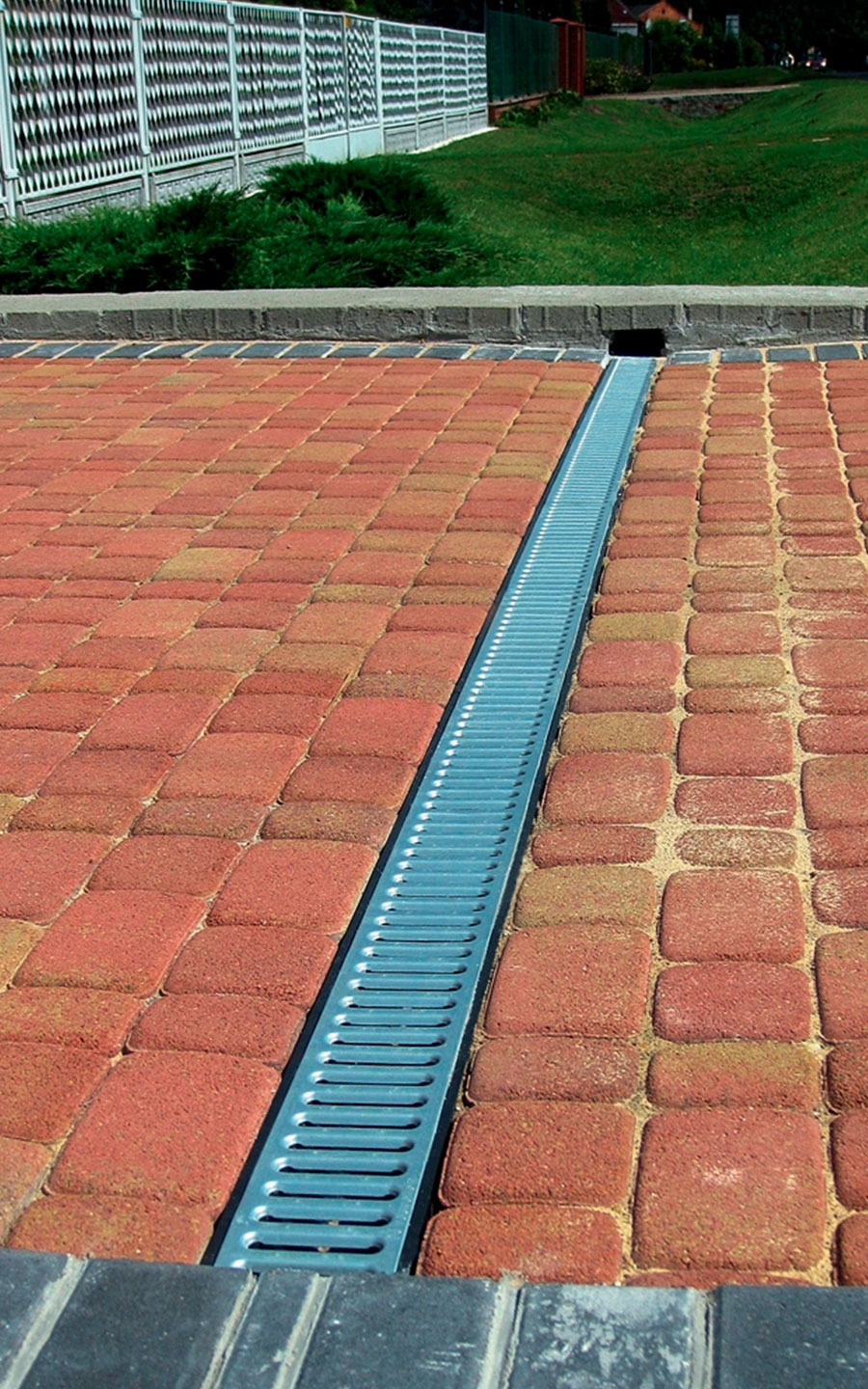
The linear catch basin is well suited for parking areas and paved surfaces where stormwater runoff must be captured quickly across a continuous width. It helps intercept water before it accumulates or moves toward sensitive areas of the site.
- Streets and Urban Infrastructure
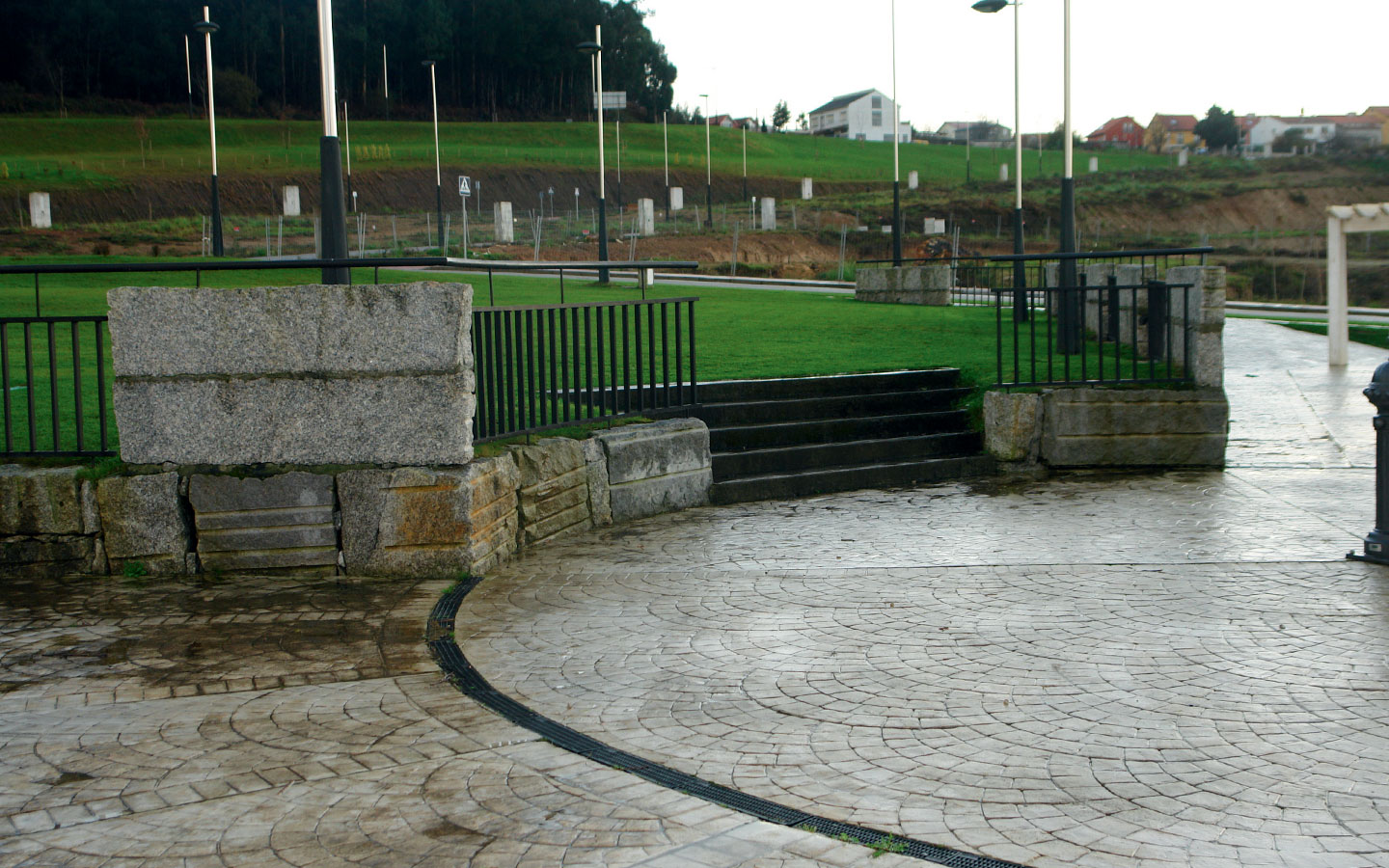
In streets and urban infrastructure projects, the linear catch basin can support surface drainage by directing stormwater toward the drainage network. Its linear configuration is useful when runoff concentrates along a defined portion of the roadway or paved surface.
- Sloped Residential or Commercial Entrances
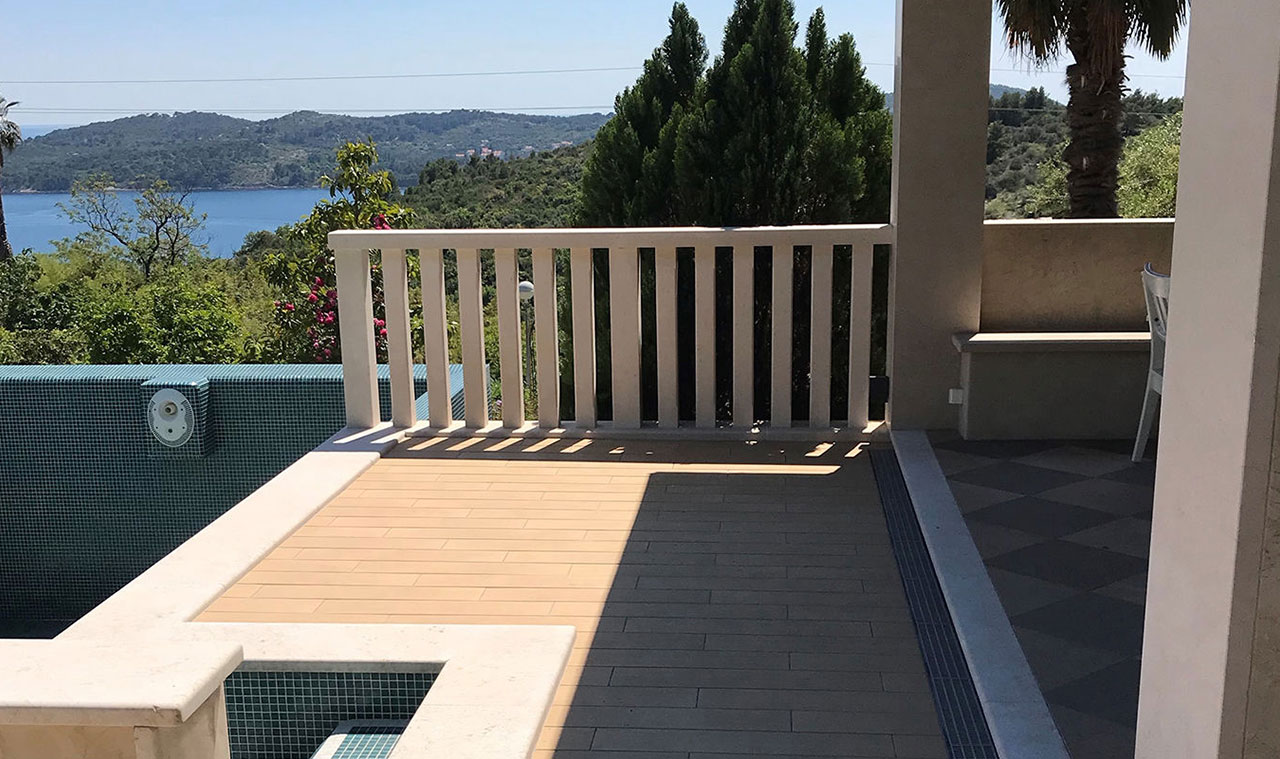
The linear catch basin is especially relevant for sloped entrances, where water can flow quickly toward a building, access point or circulation area. Installed perpendicular to the direction of flow, it helps intercept runoff before it continues downstream.
- Concentrated Runoff Areas
When site grading directs runoff toward a specific line or low point, the linear catch basin helps manage water more evenly across the drainage surface. It can be factory-adjusted to better match site slopes and project constraints.