Why Choose a Corrugated Manhole/Catch Basin?
An economical HDPE solution for non-roadway stormwater applications
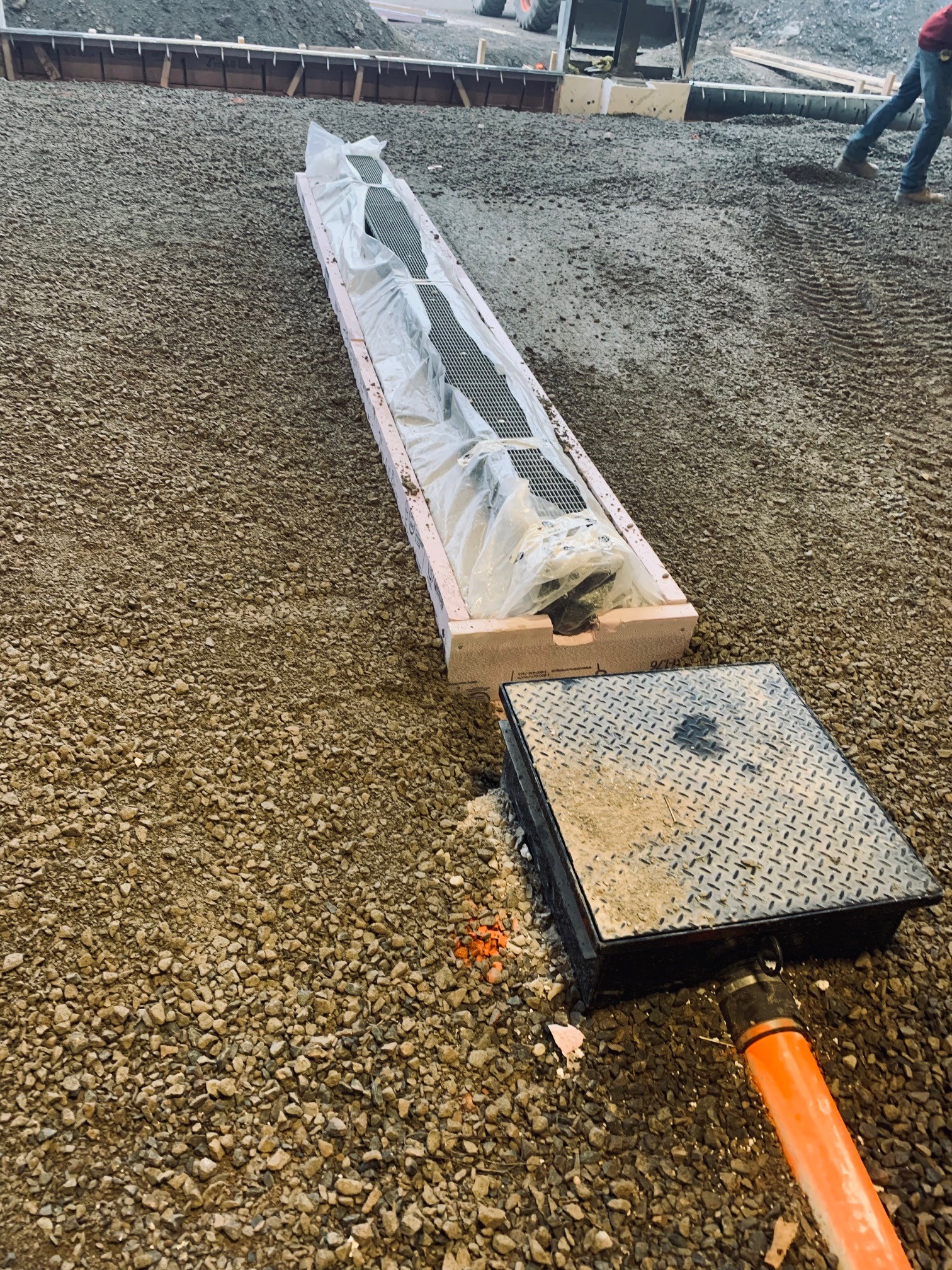
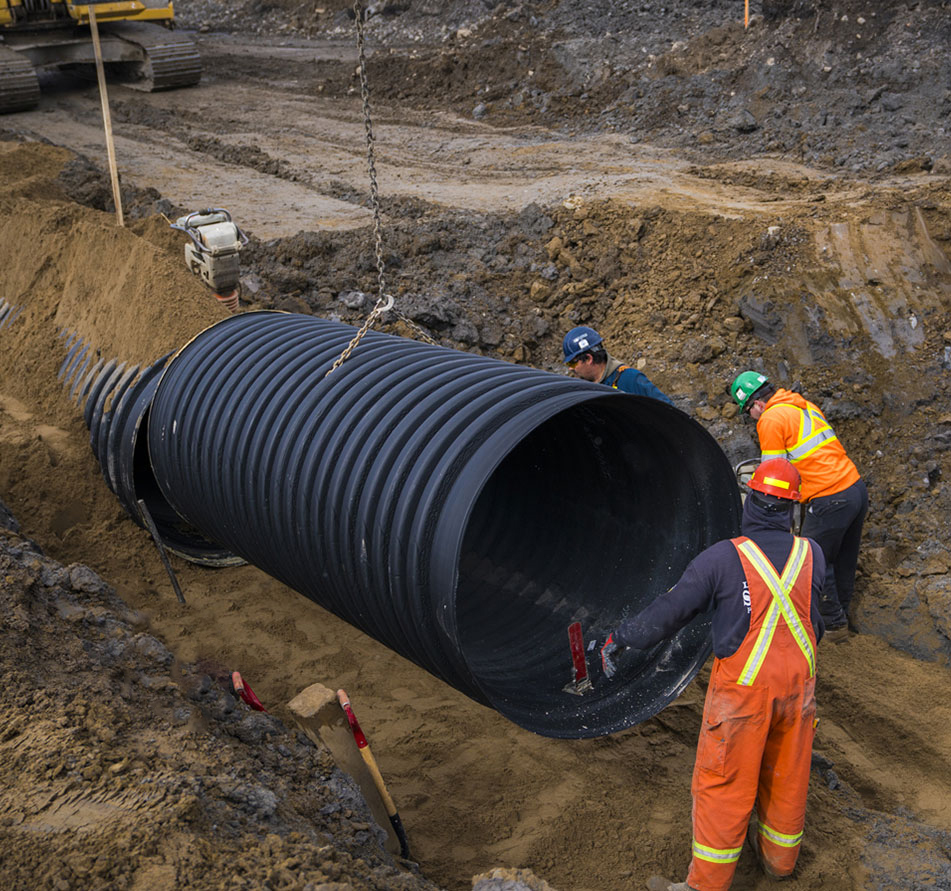
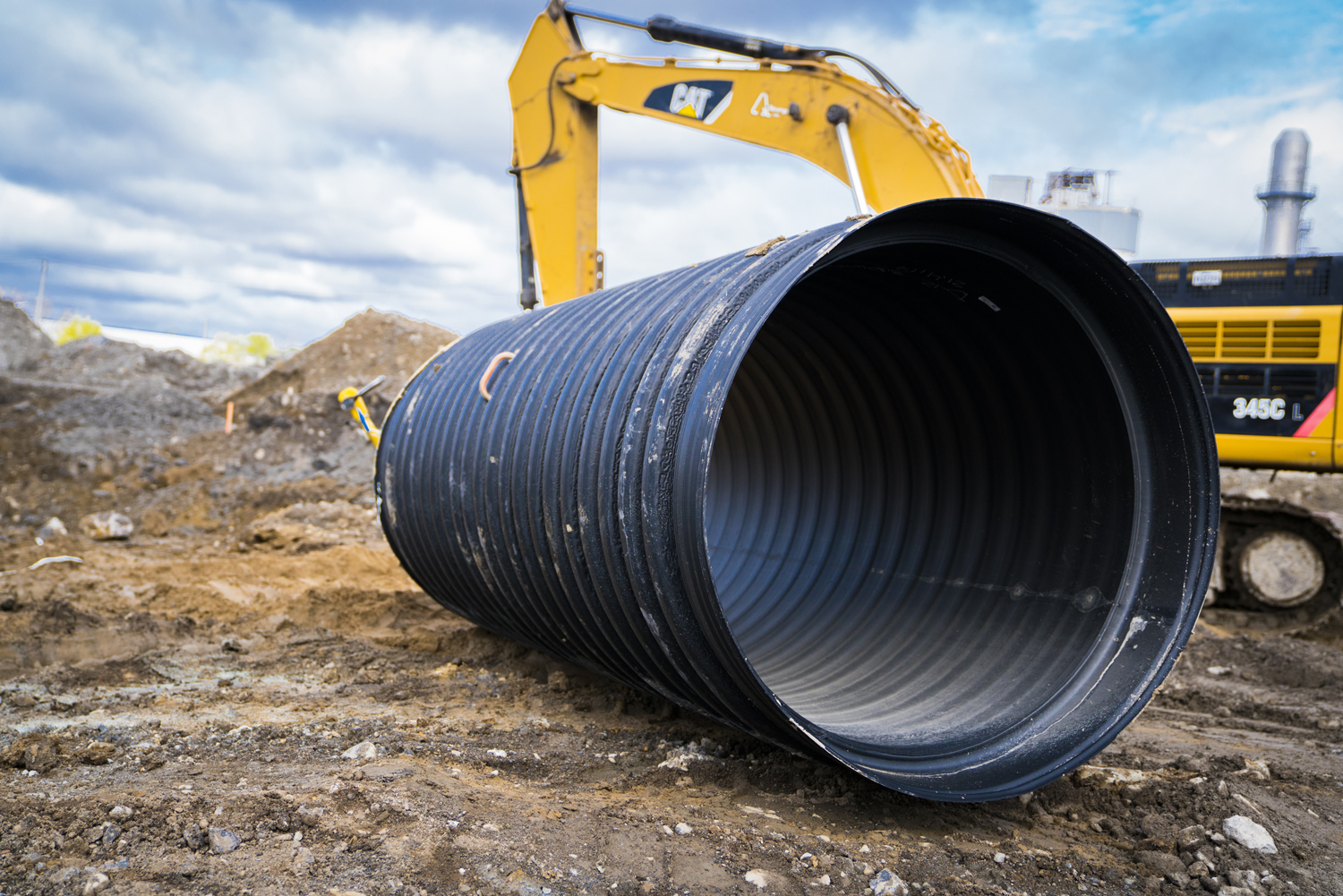
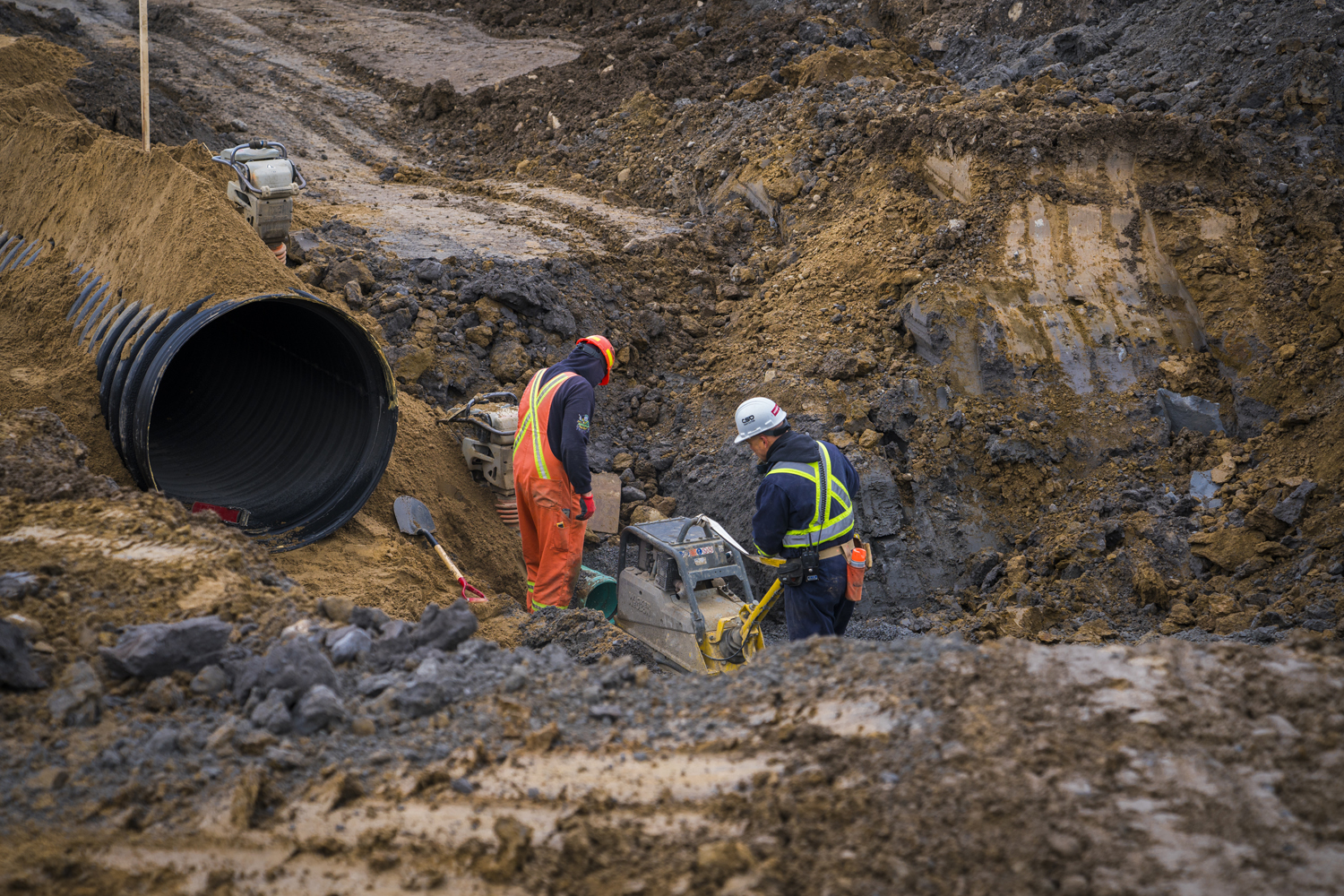
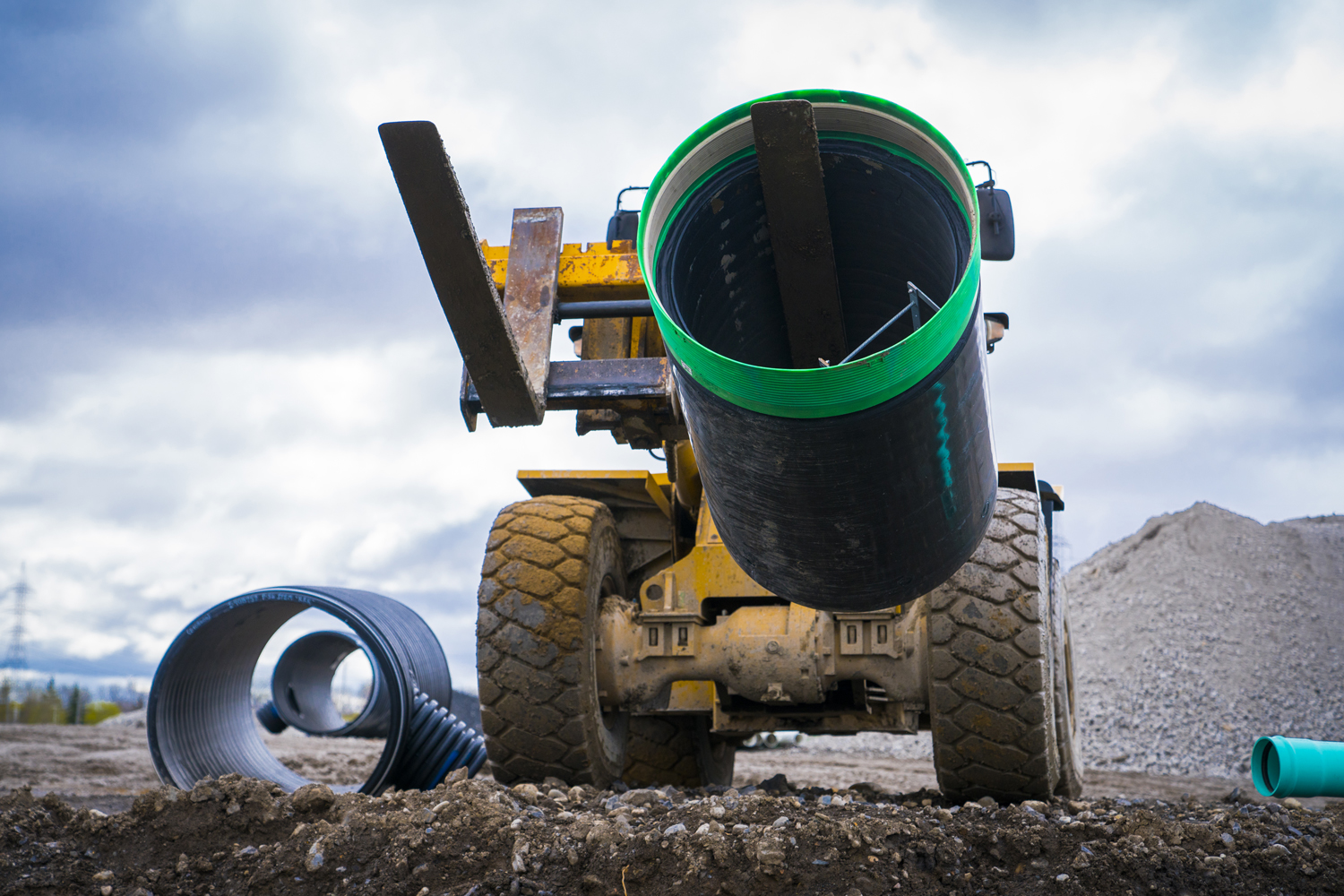
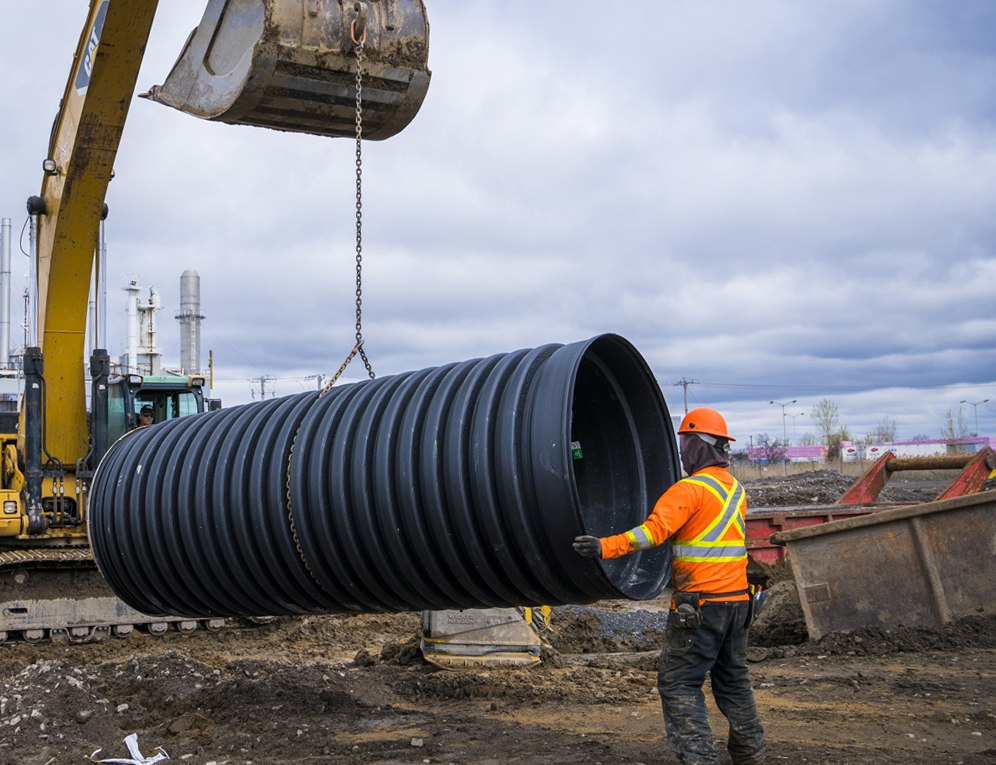
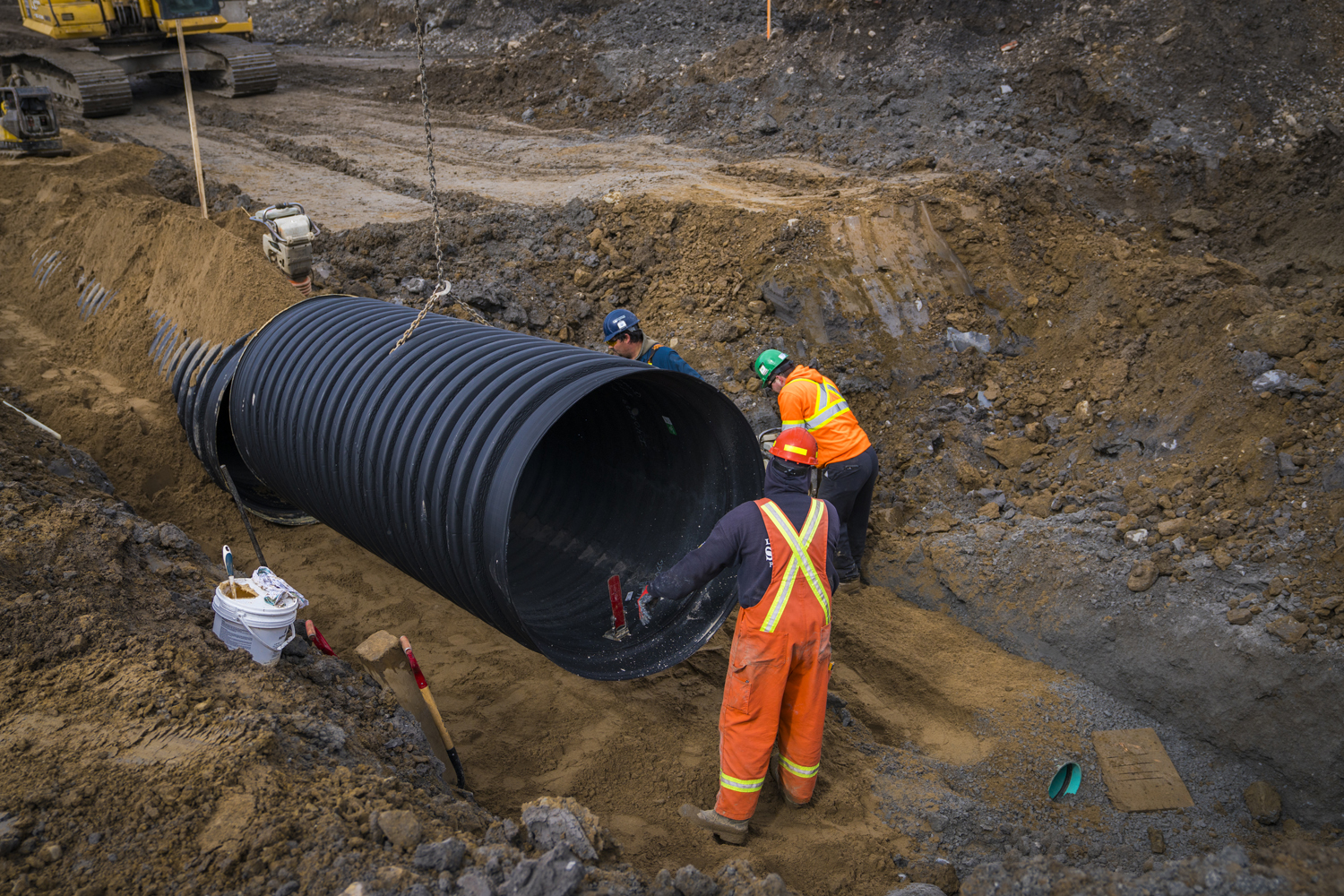
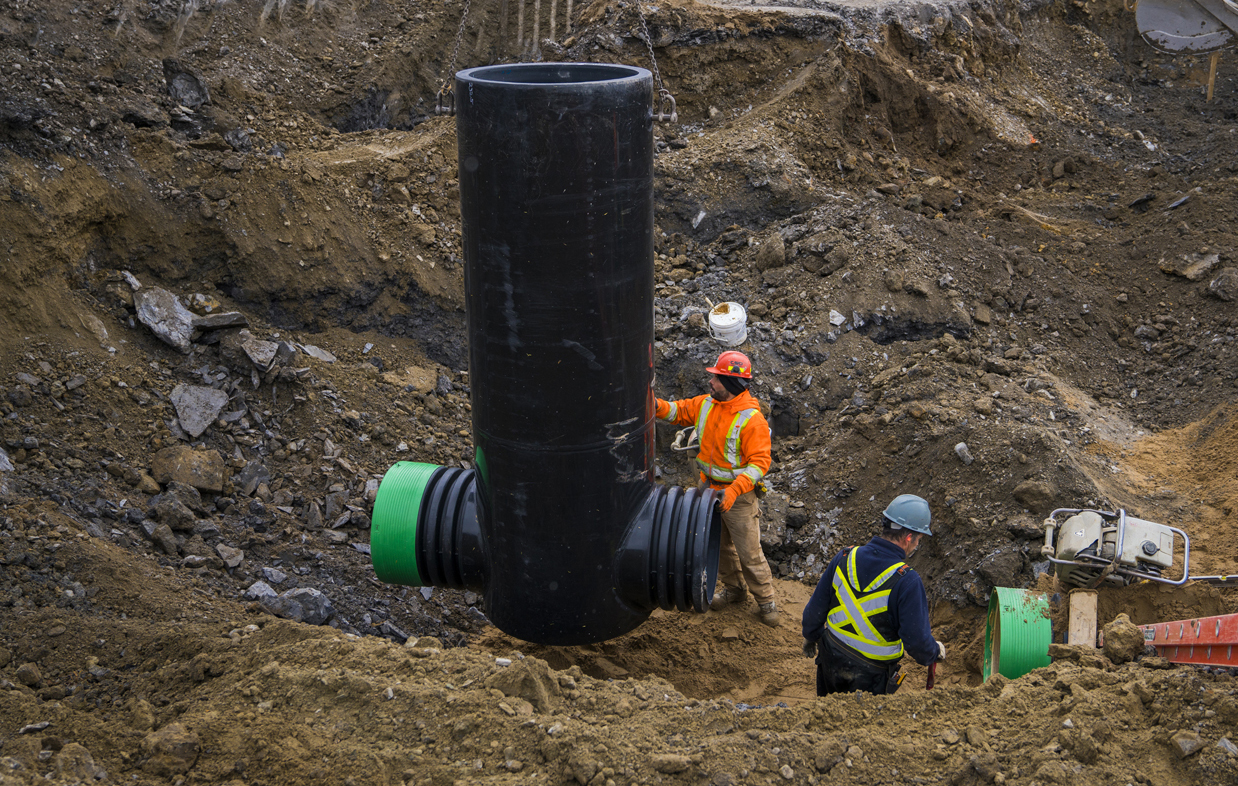
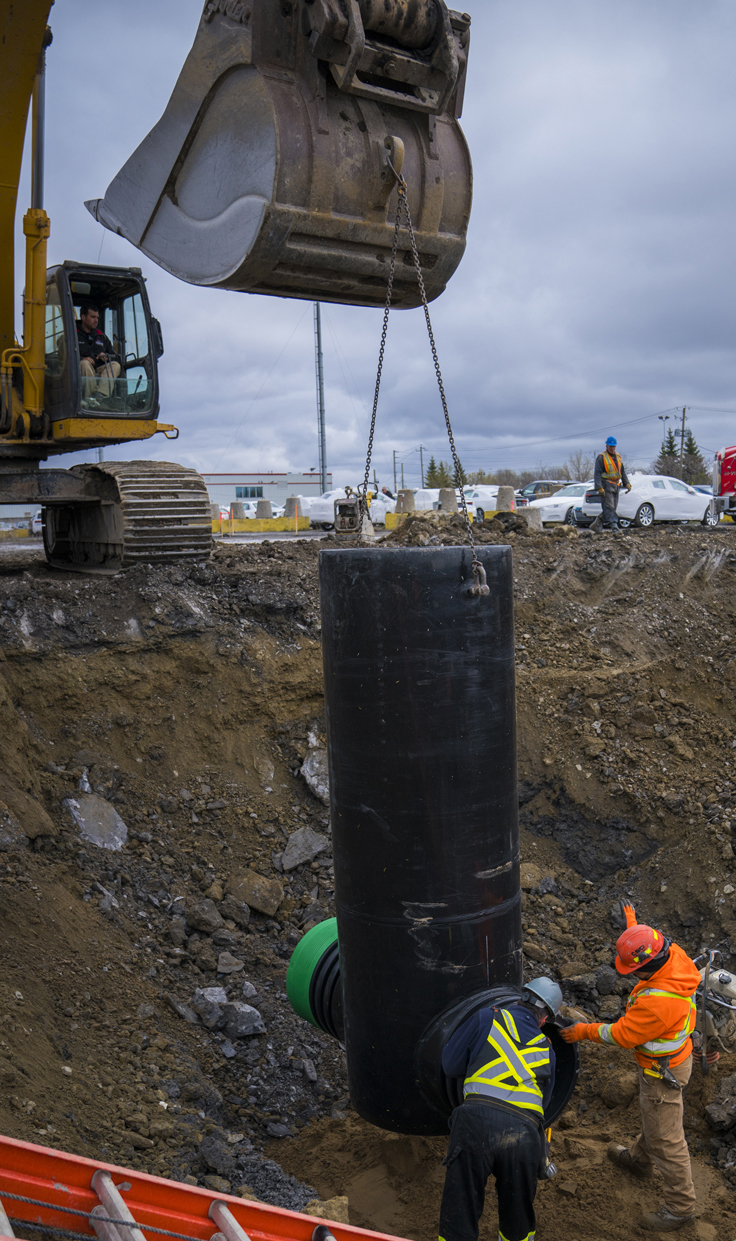
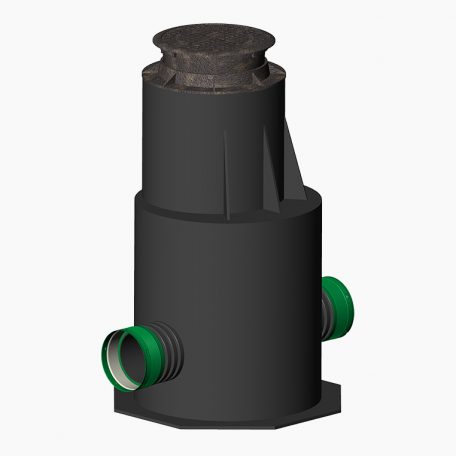
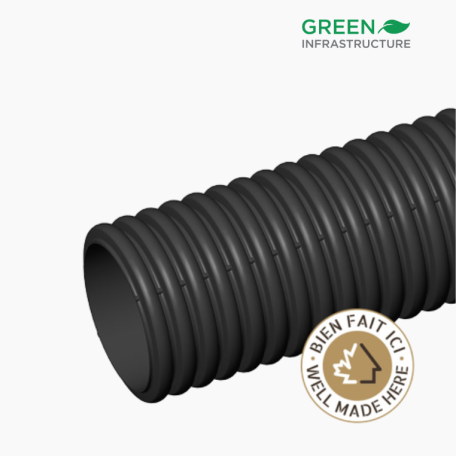
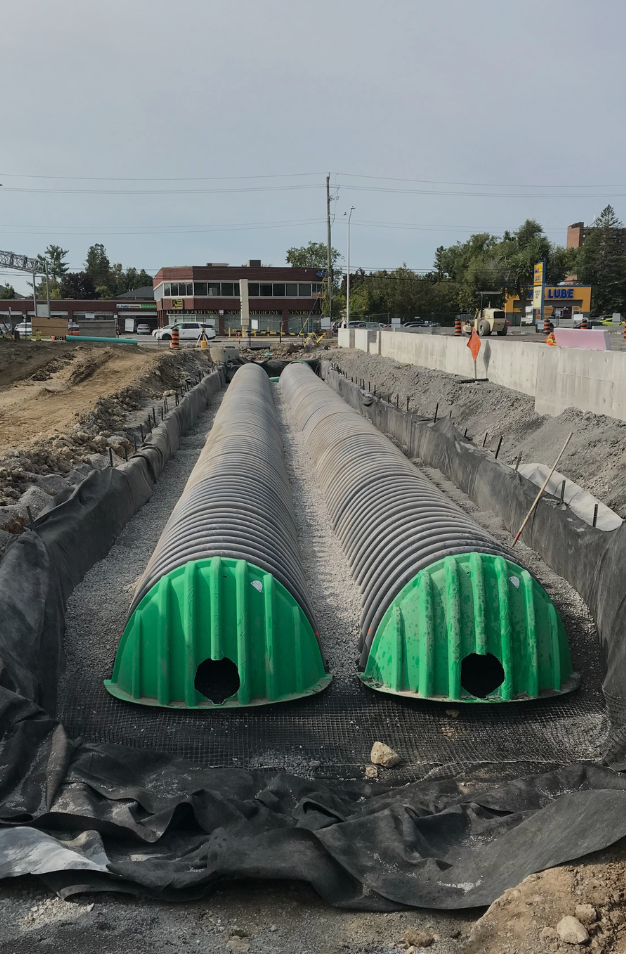
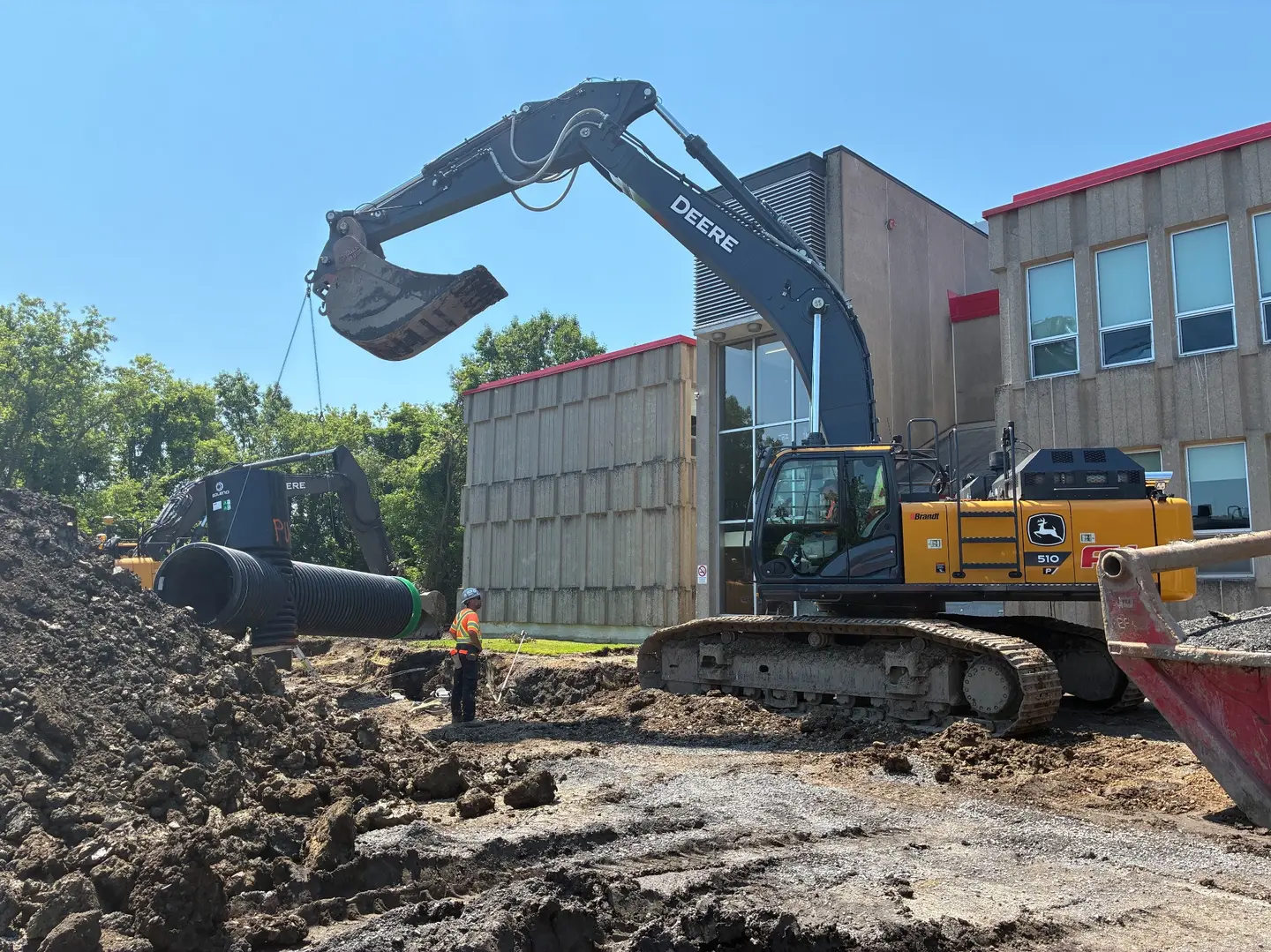
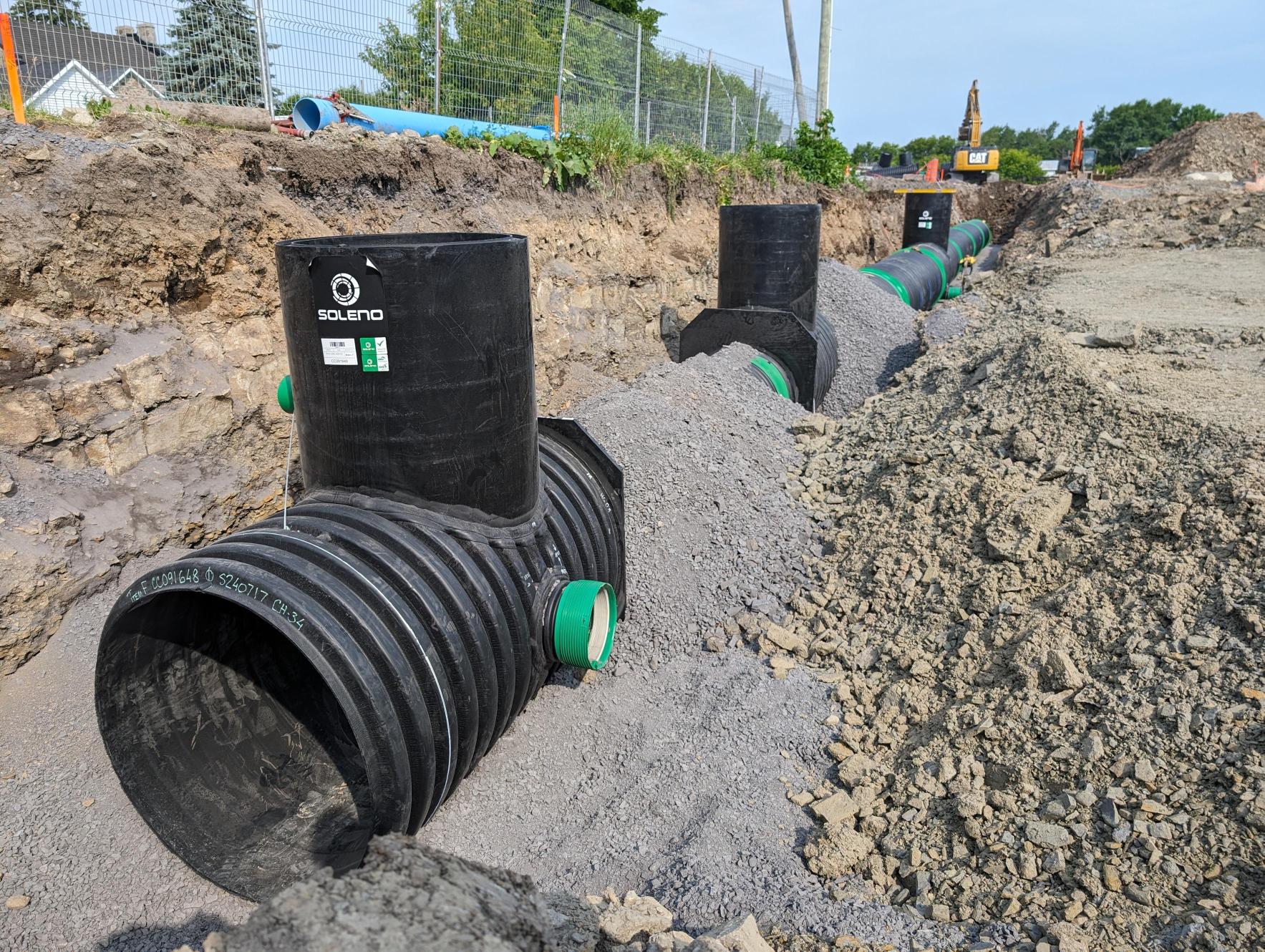
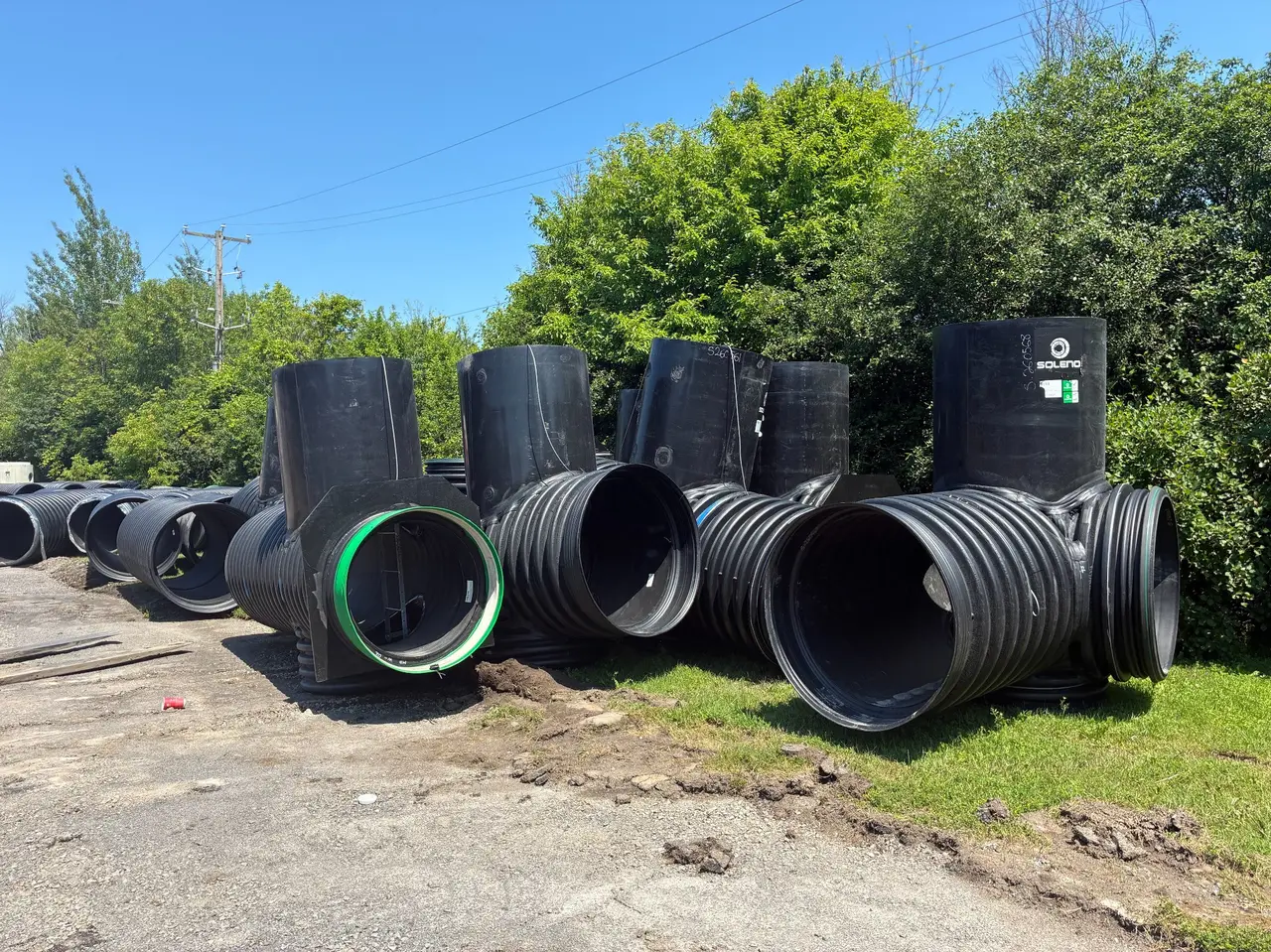
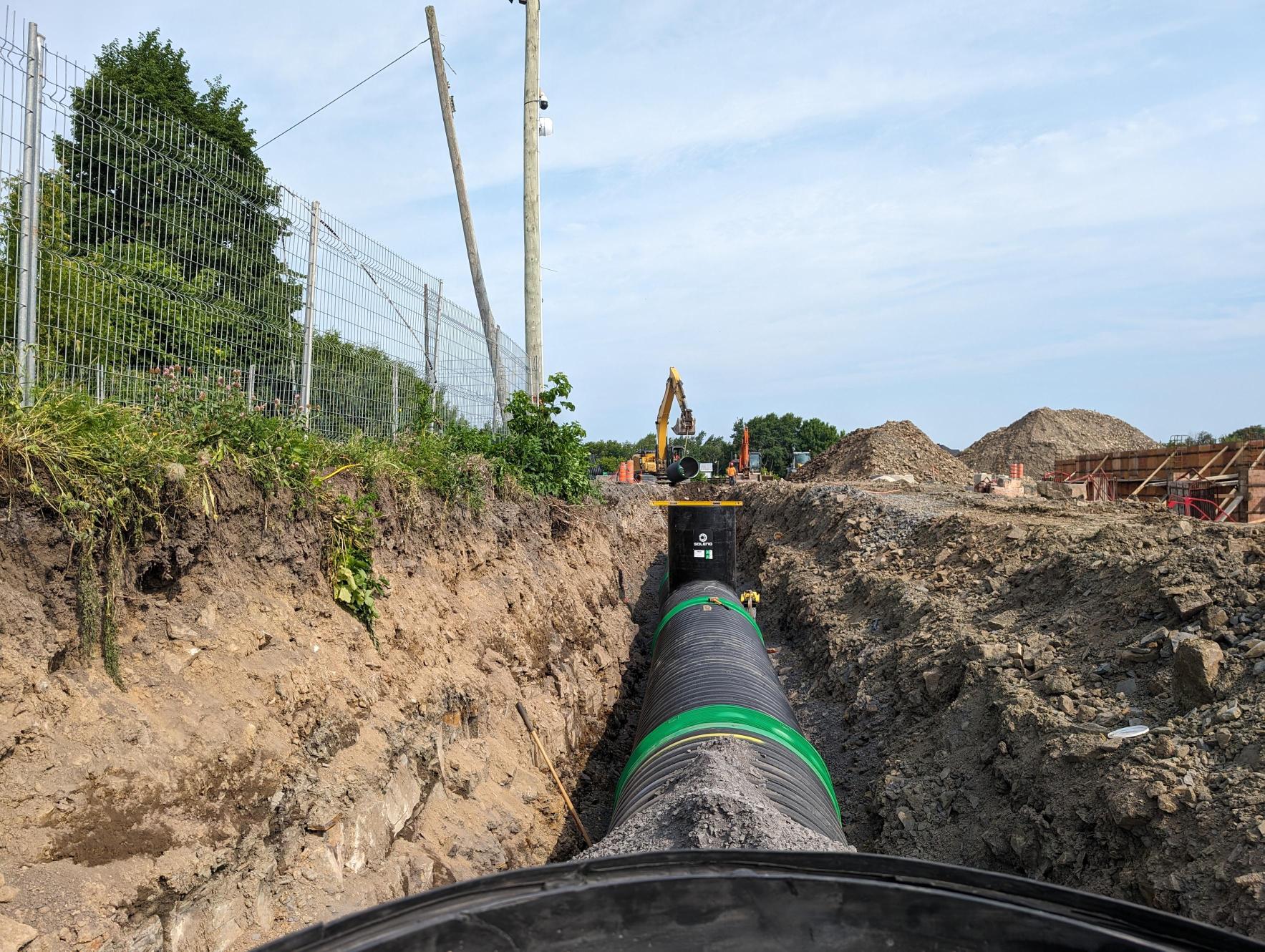
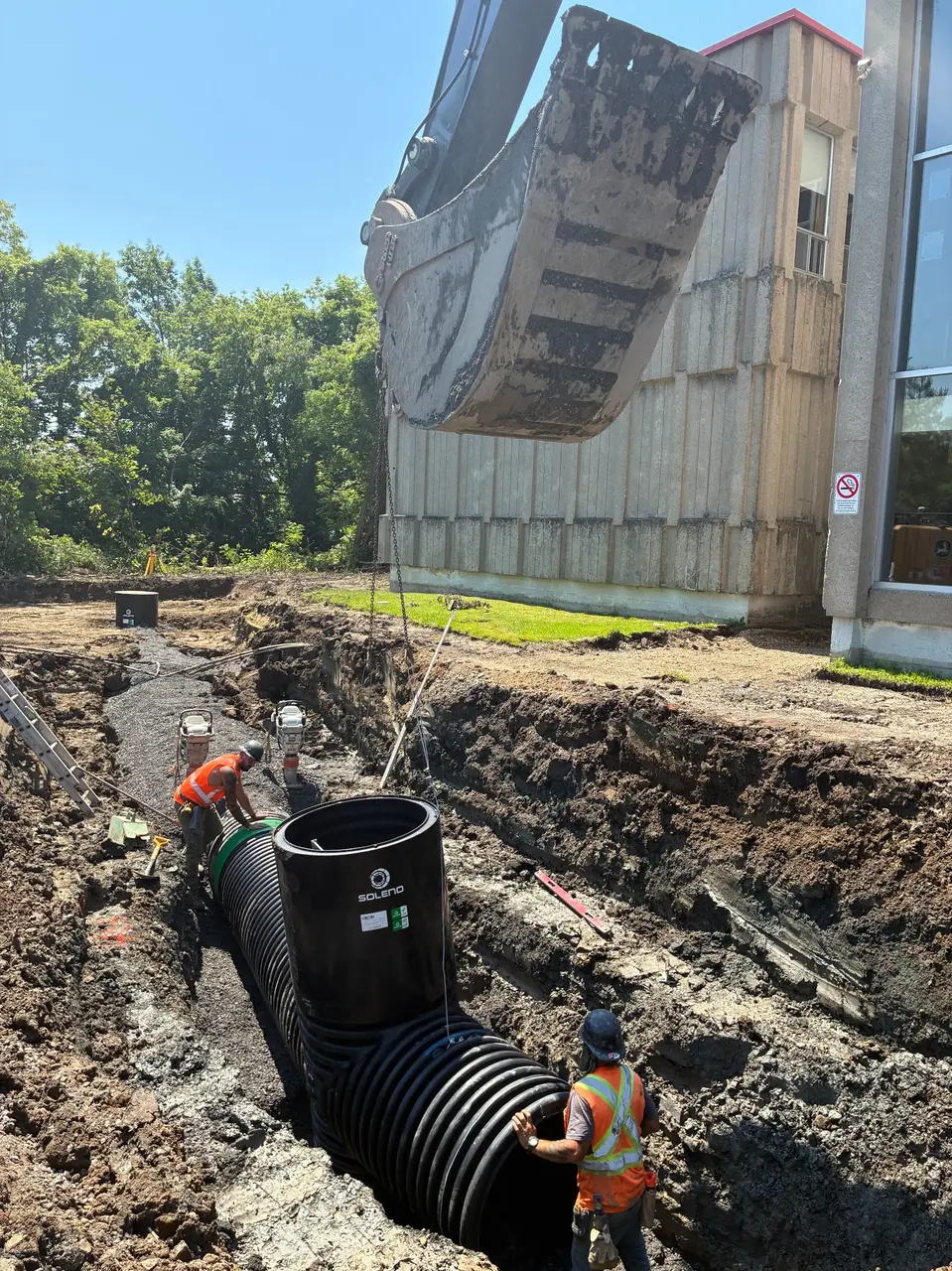
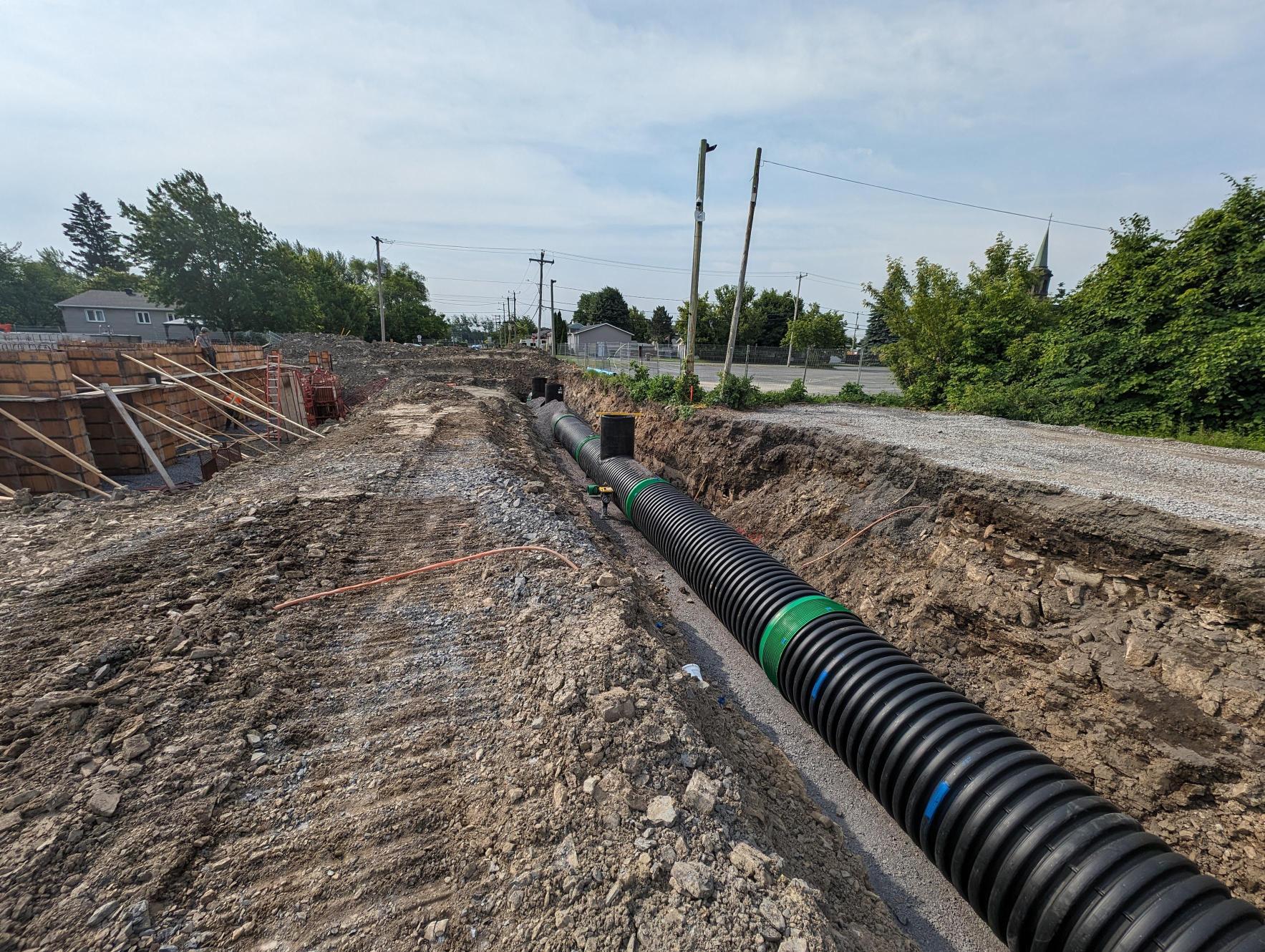
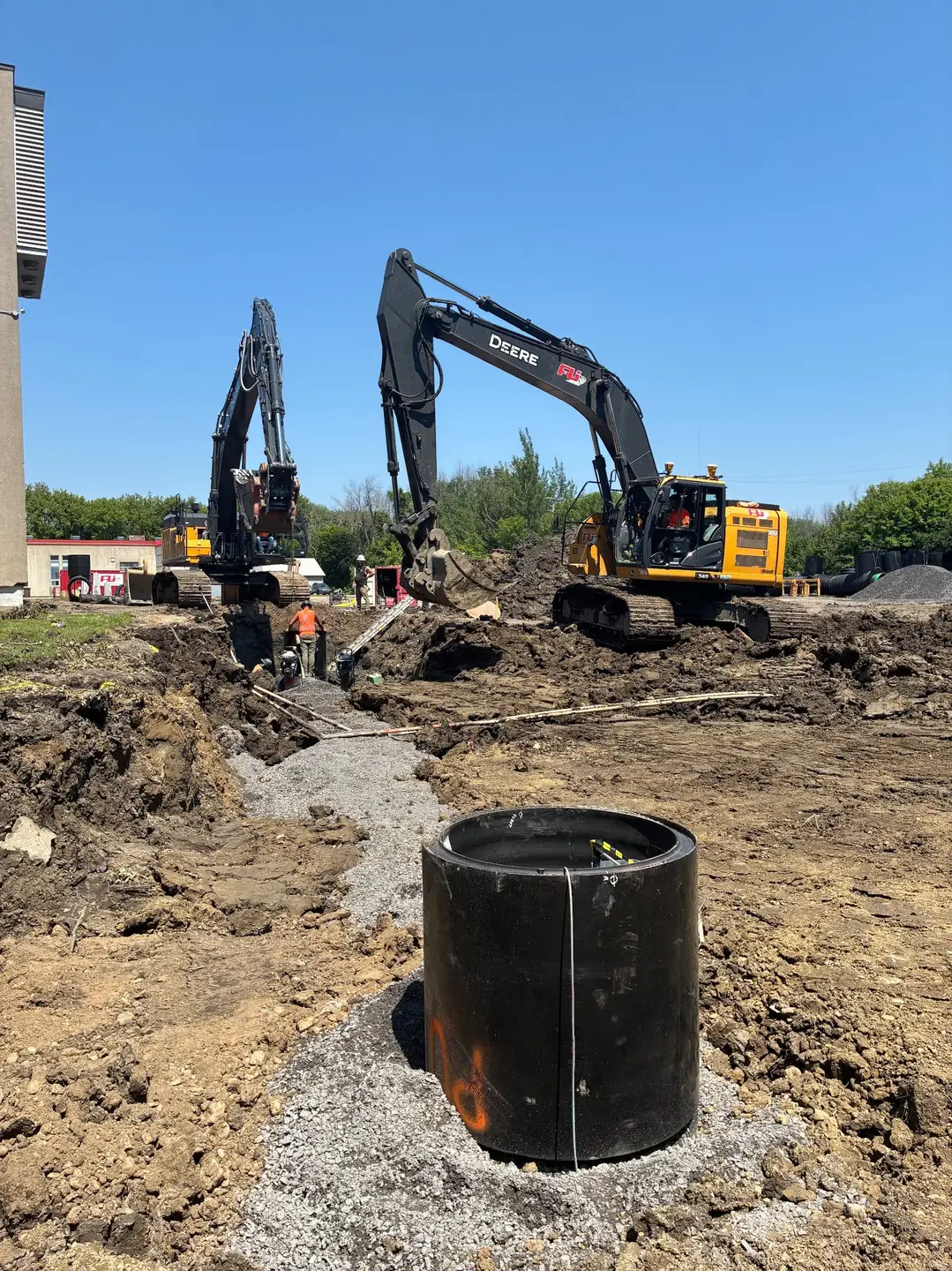
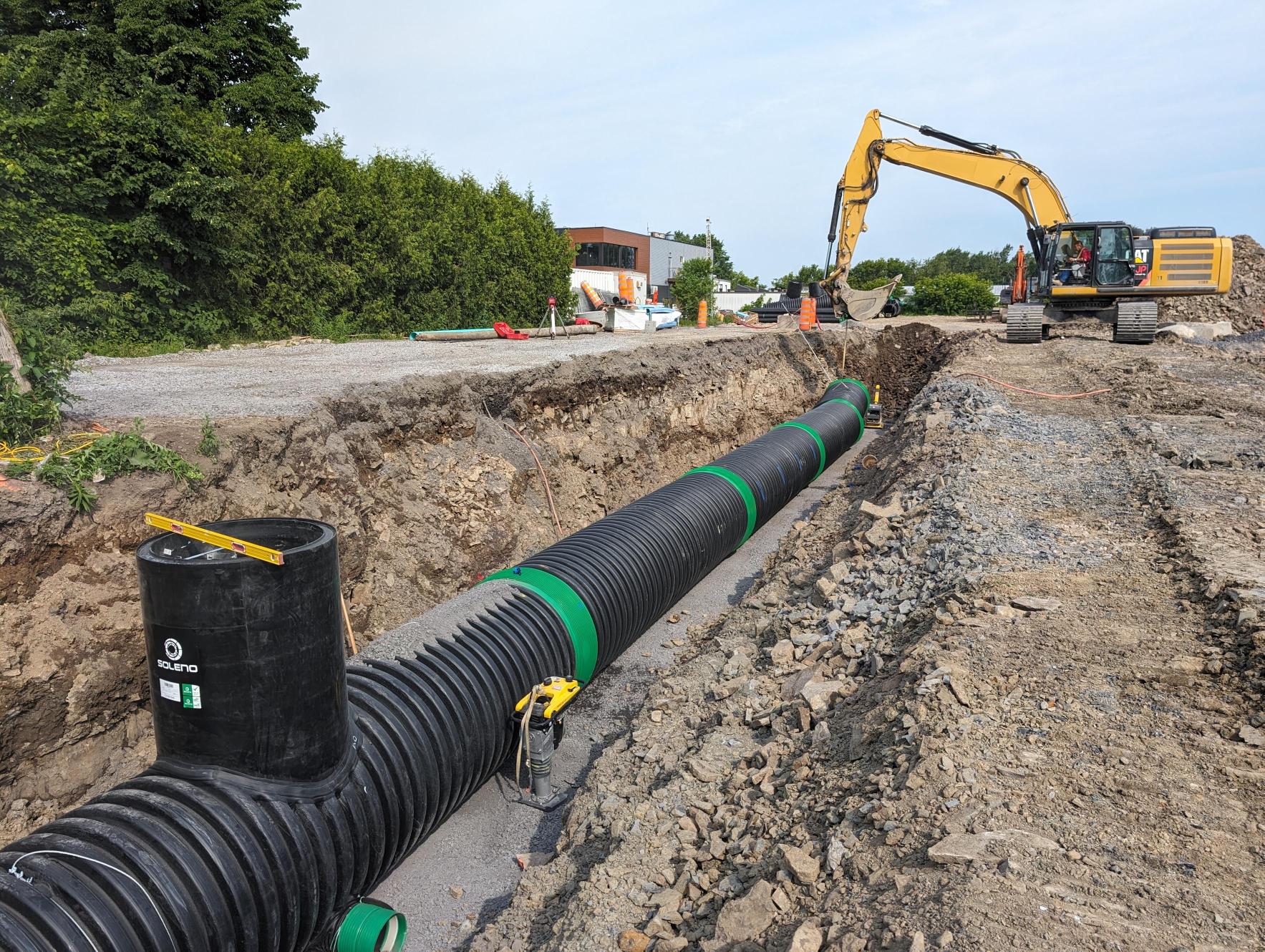
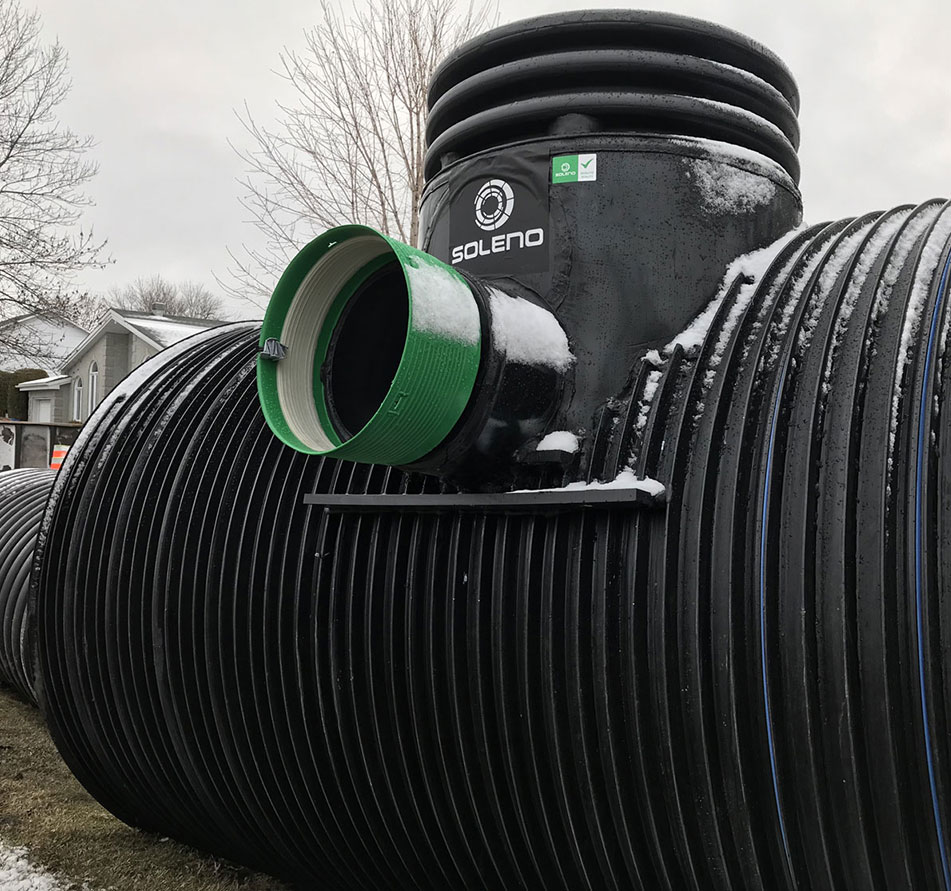
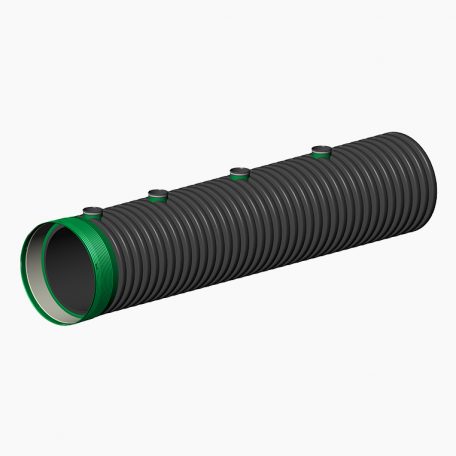
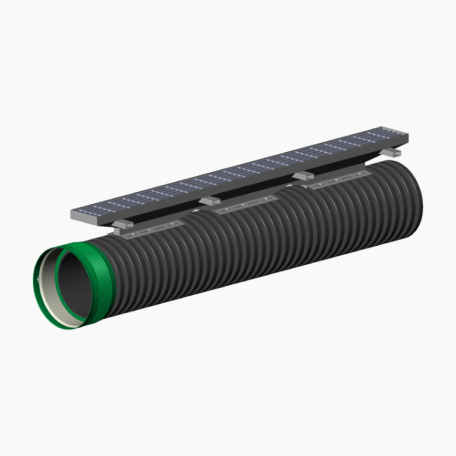
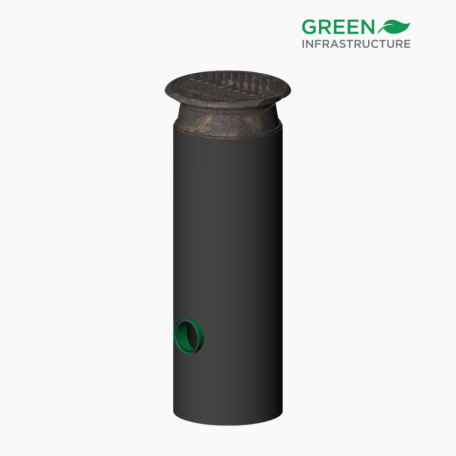
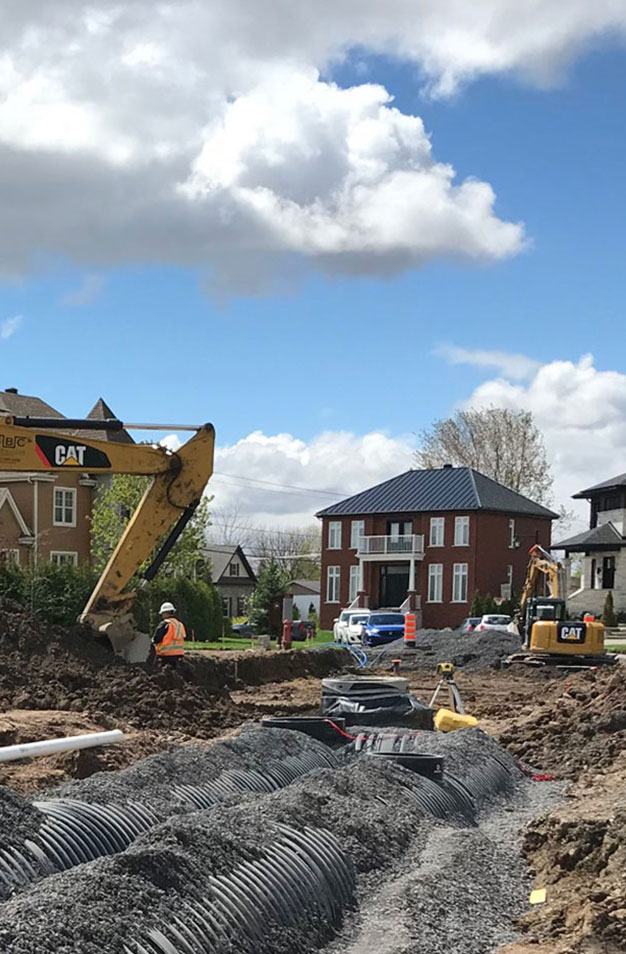
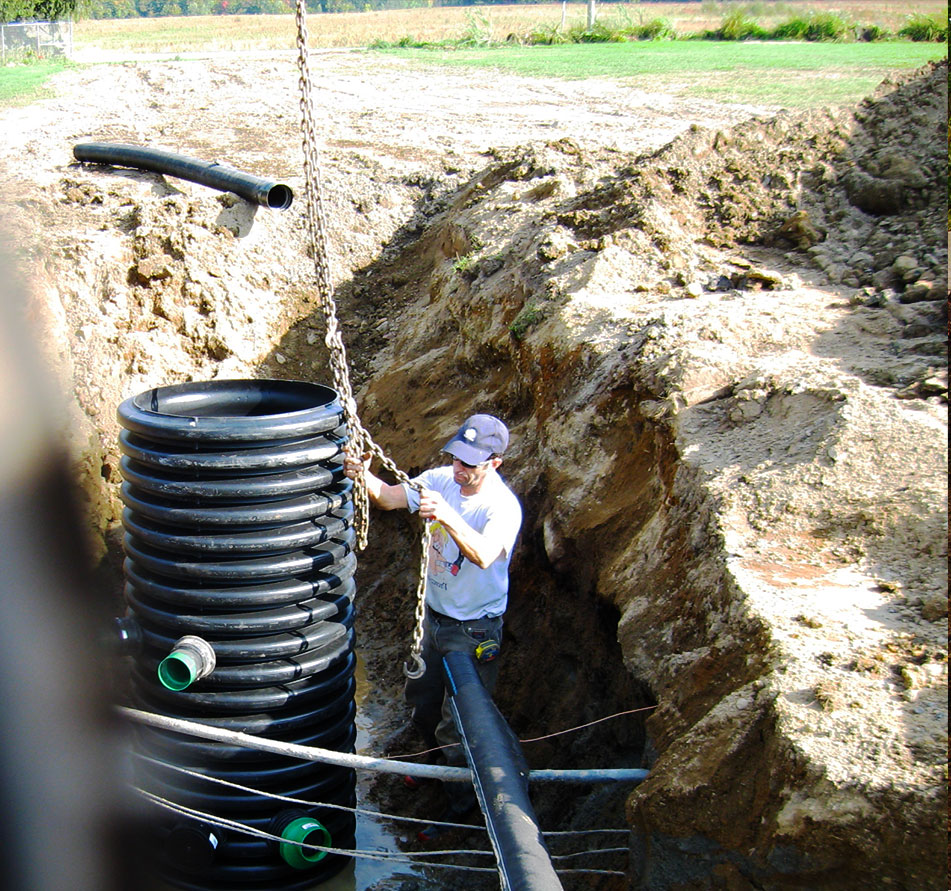
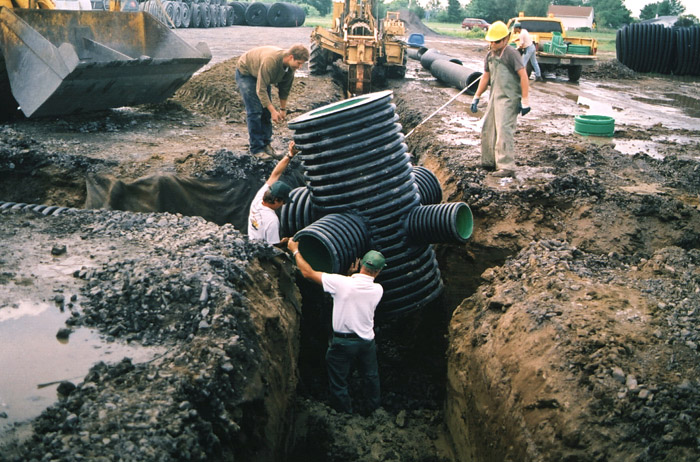
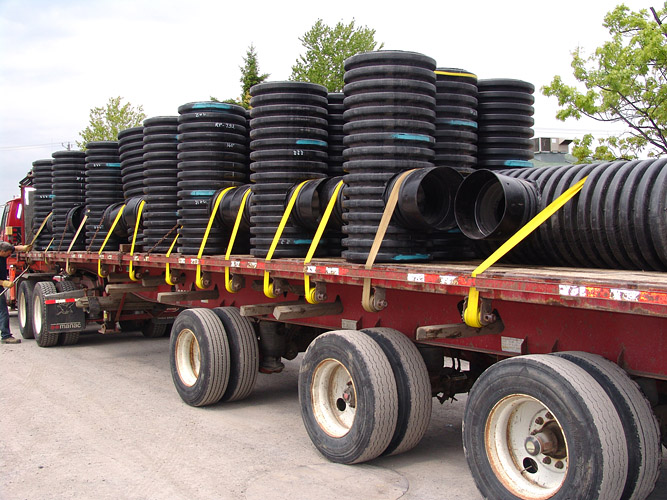
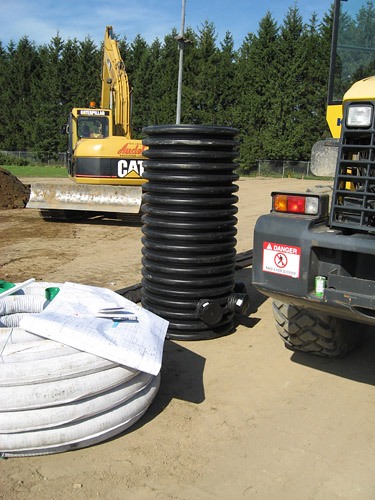
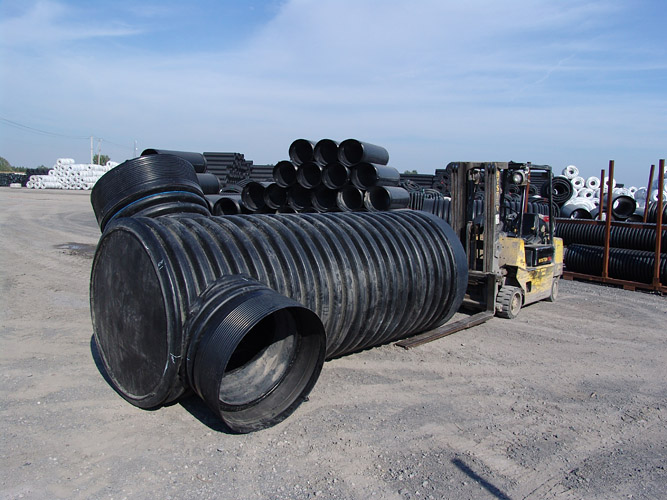
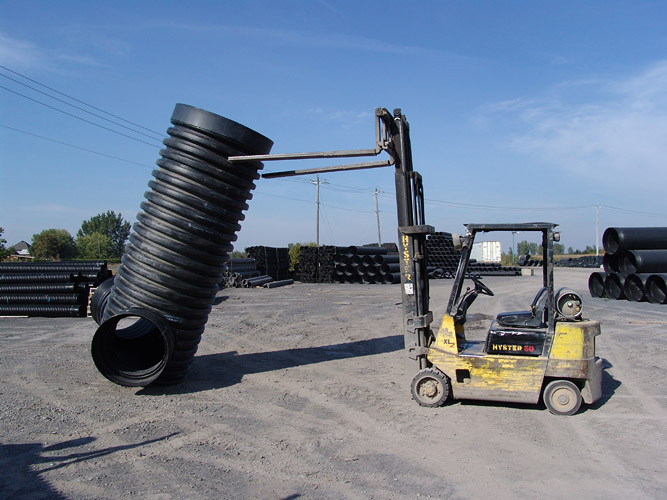
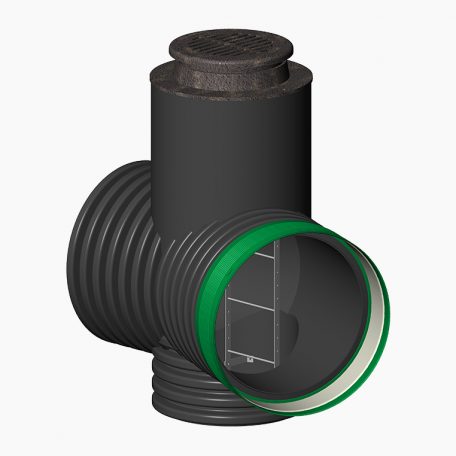
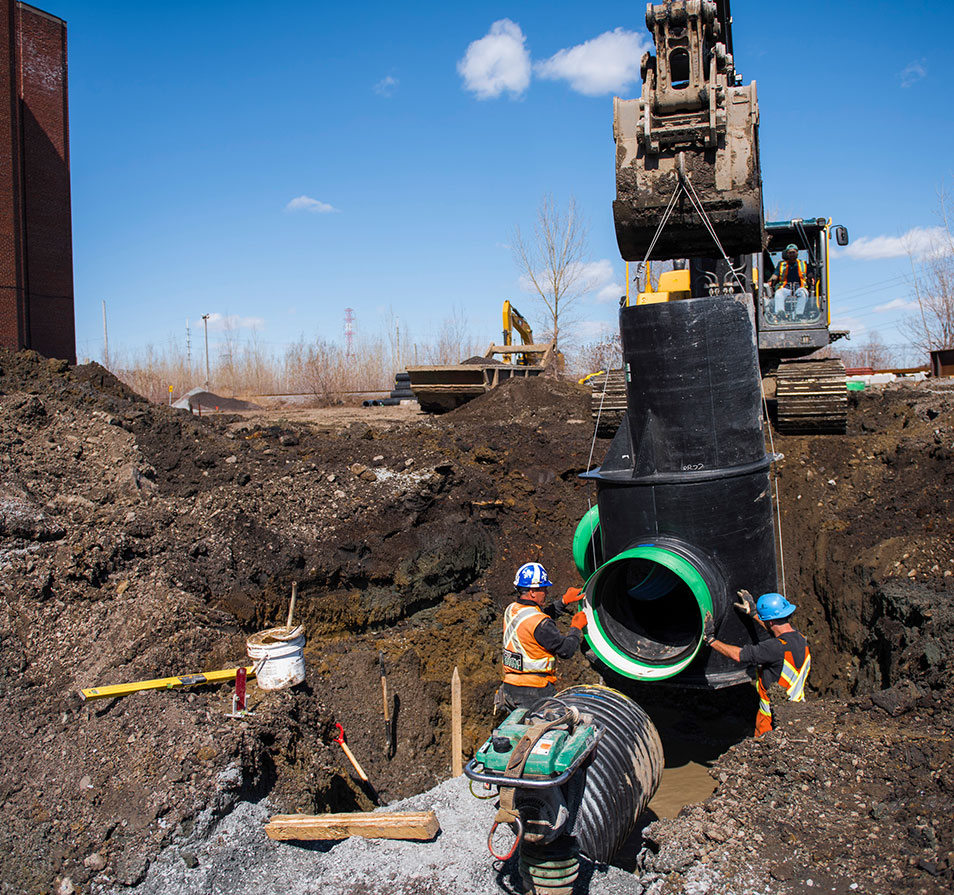
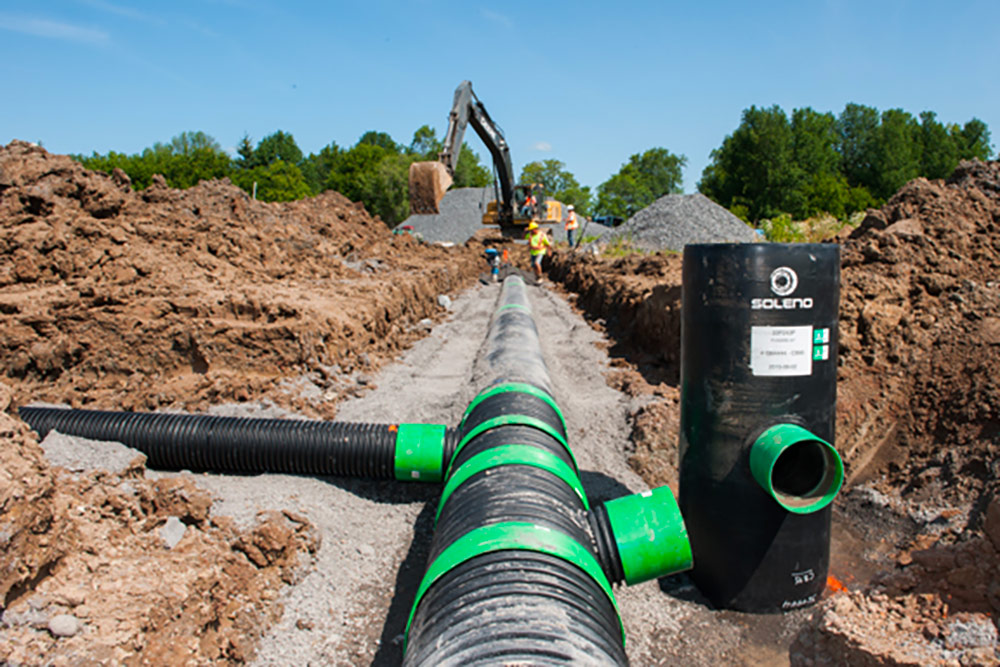
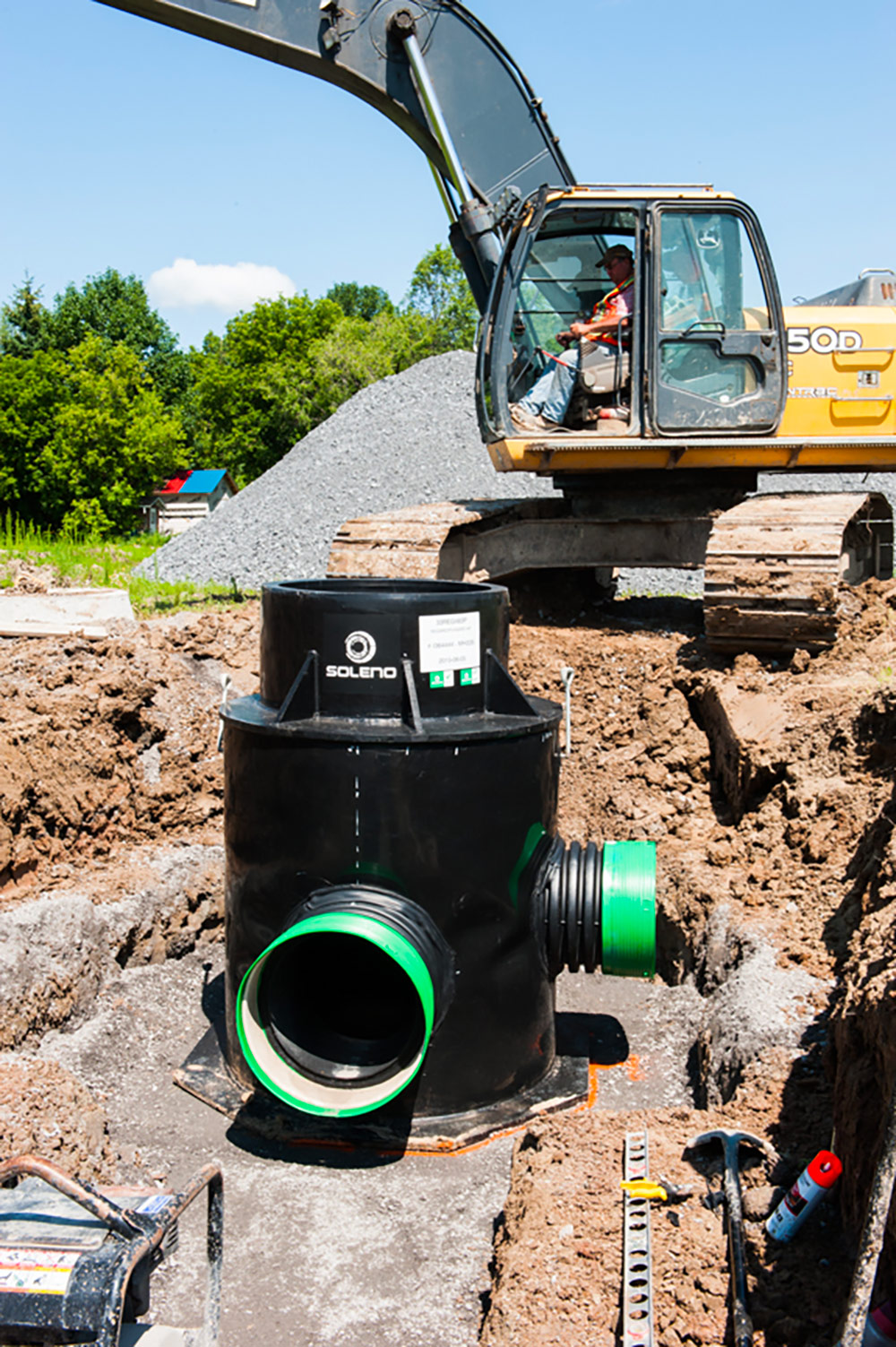
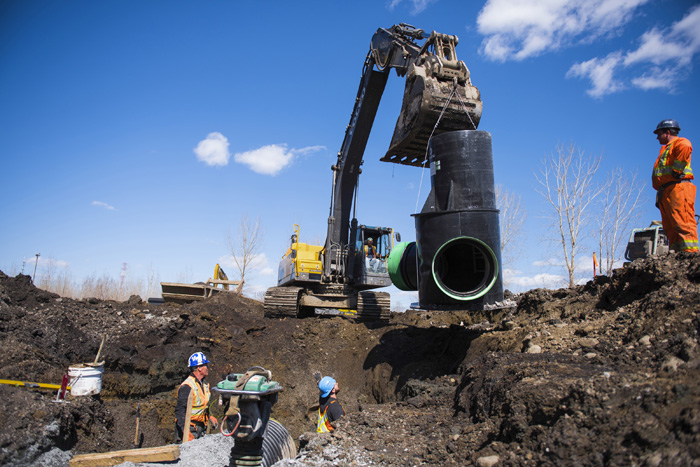
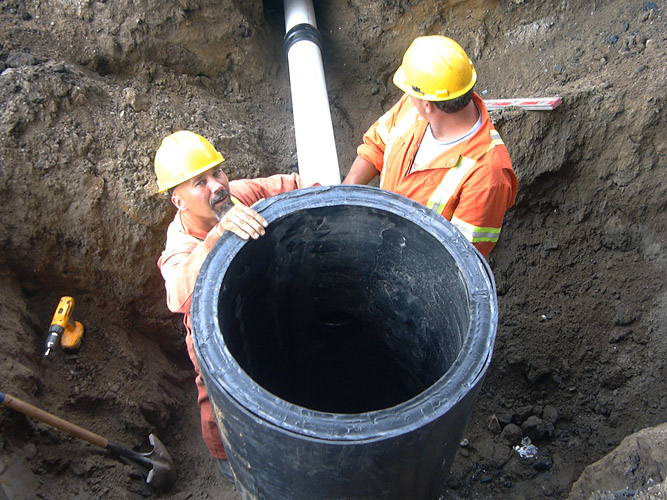
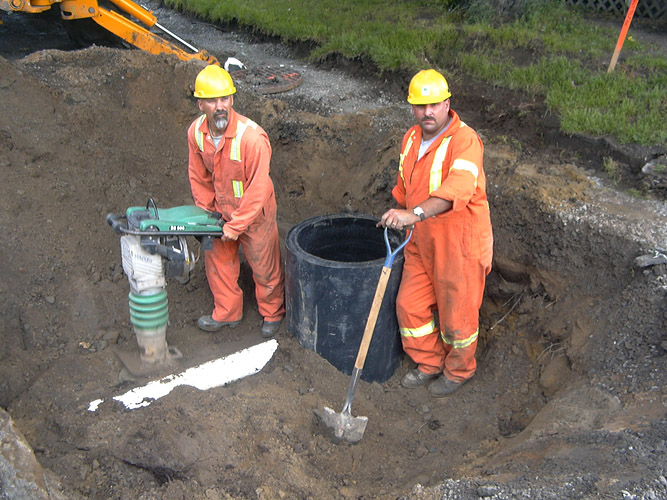
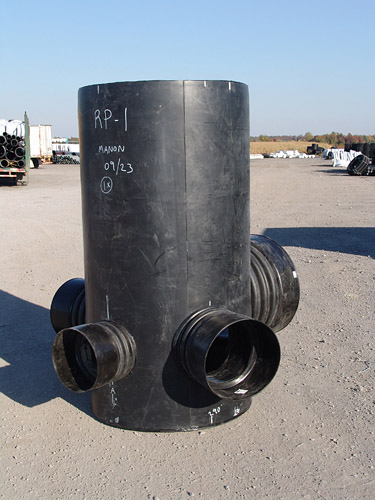
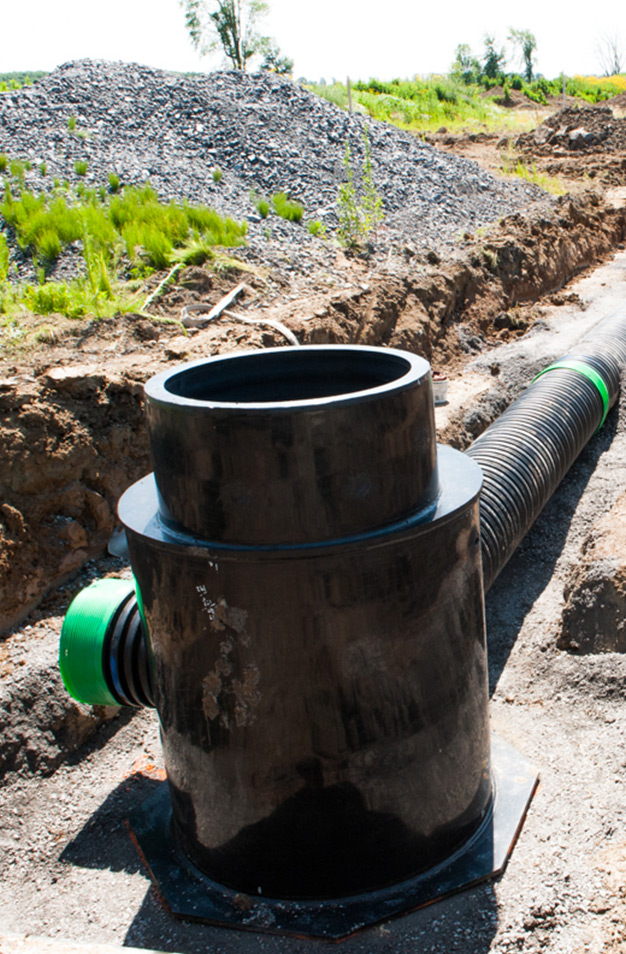
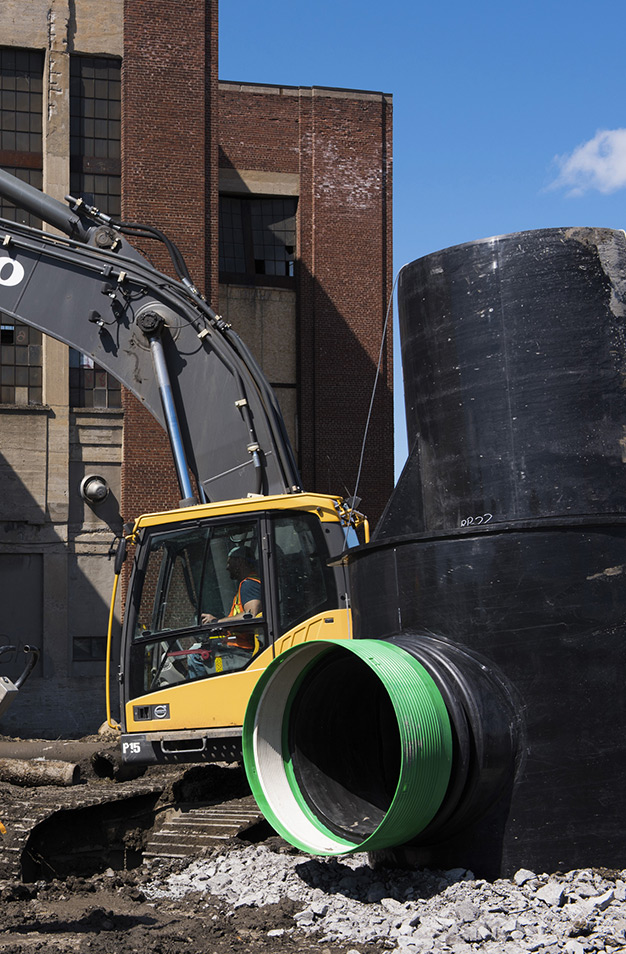
The corrugated manhole/catch basin is a practical solution for projects that require stormwater collection, drainage or access to the network in non-roadway areas. Its lightweight HDPE construction simplifies handling and installation, while offering a durable alternative to heavier conventional structures.
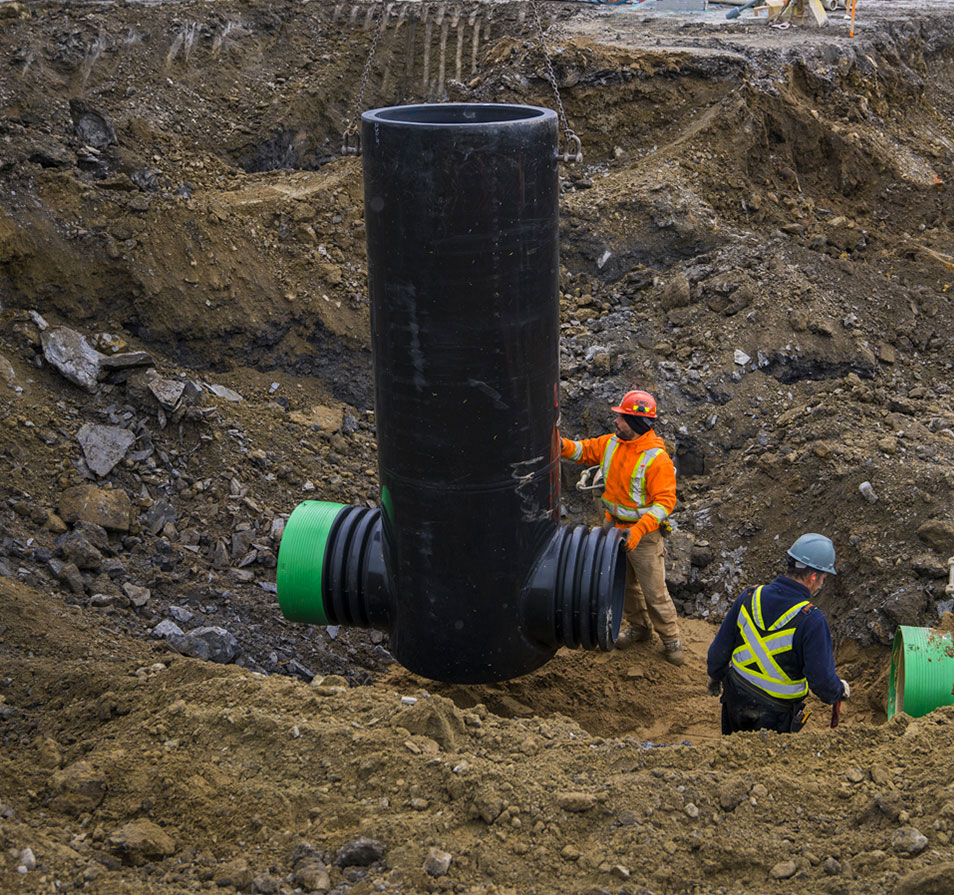
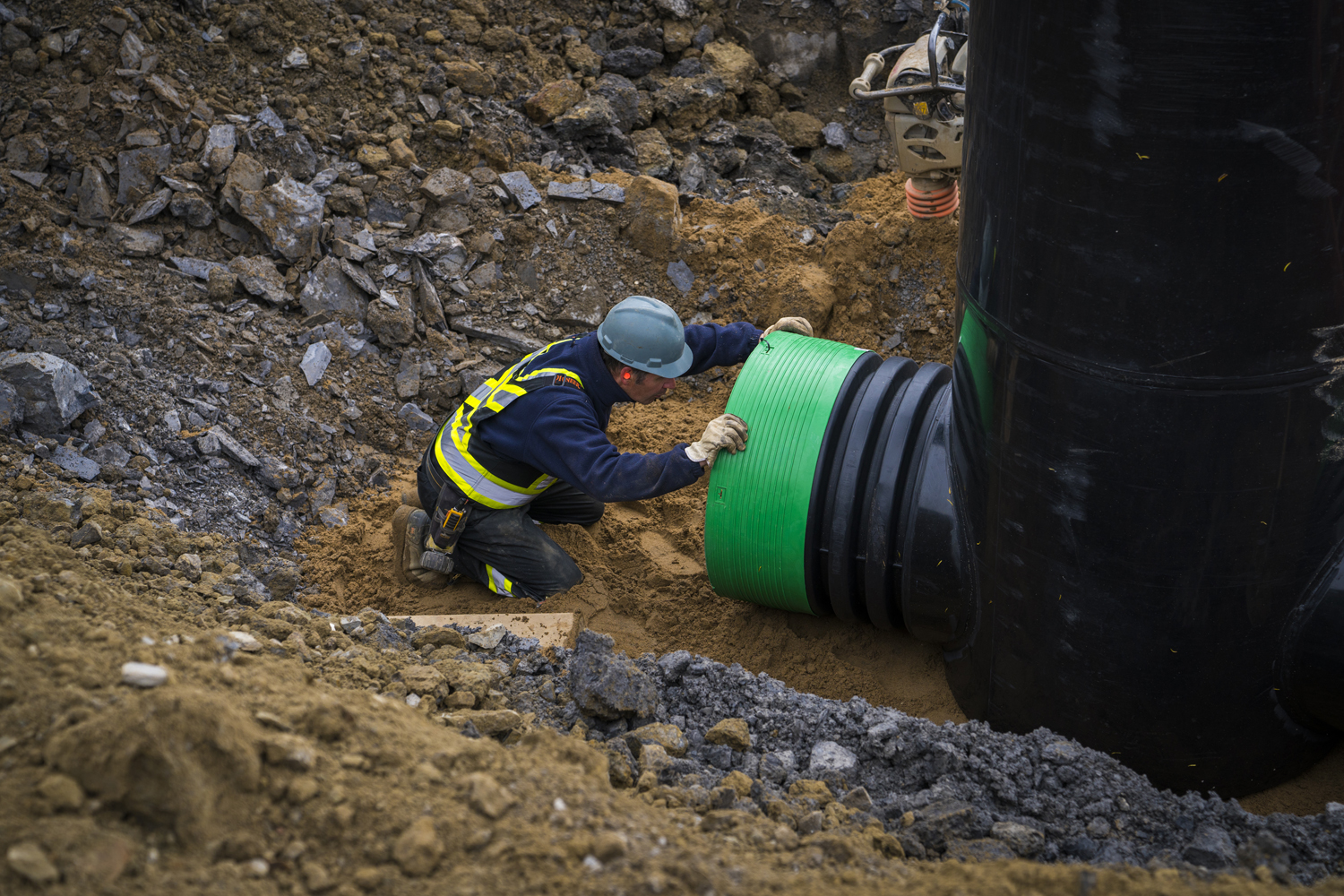
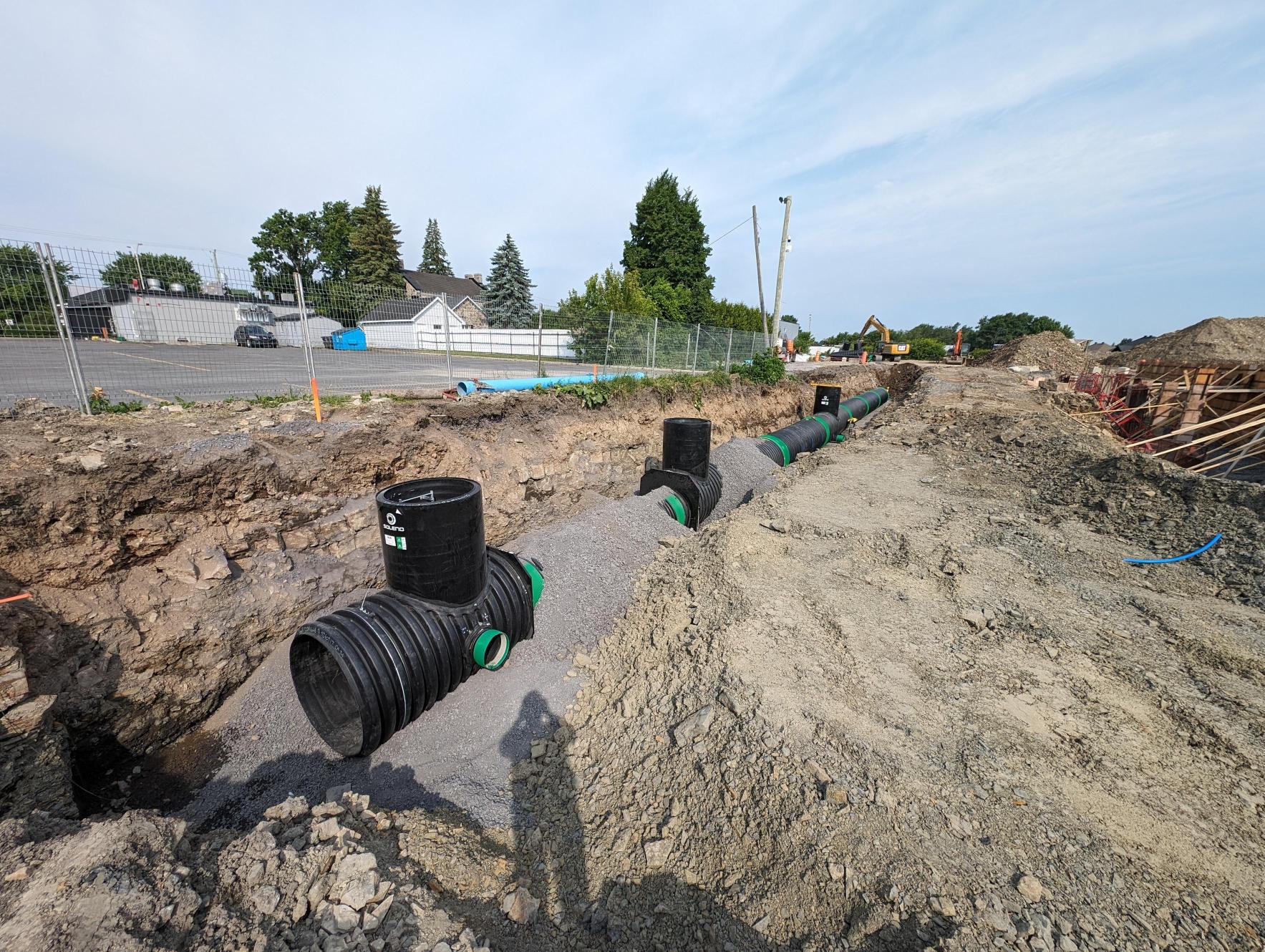
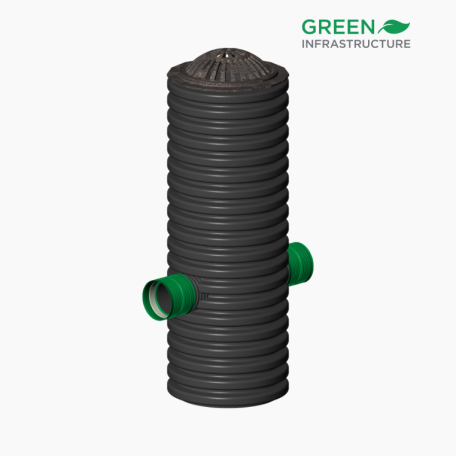
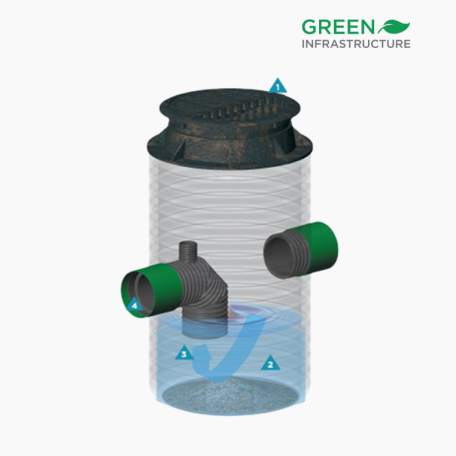
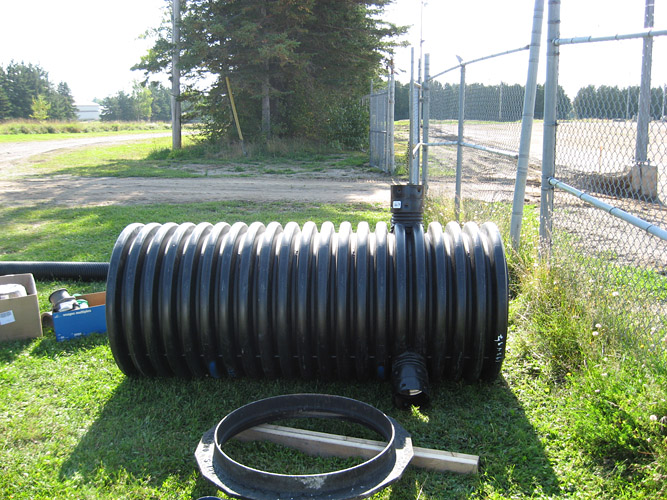
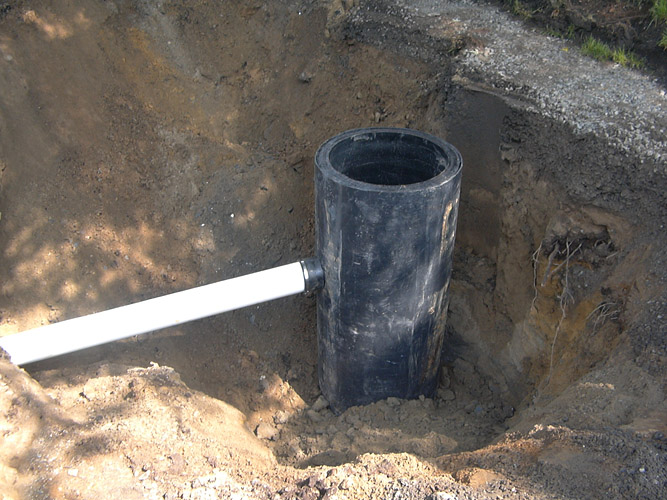
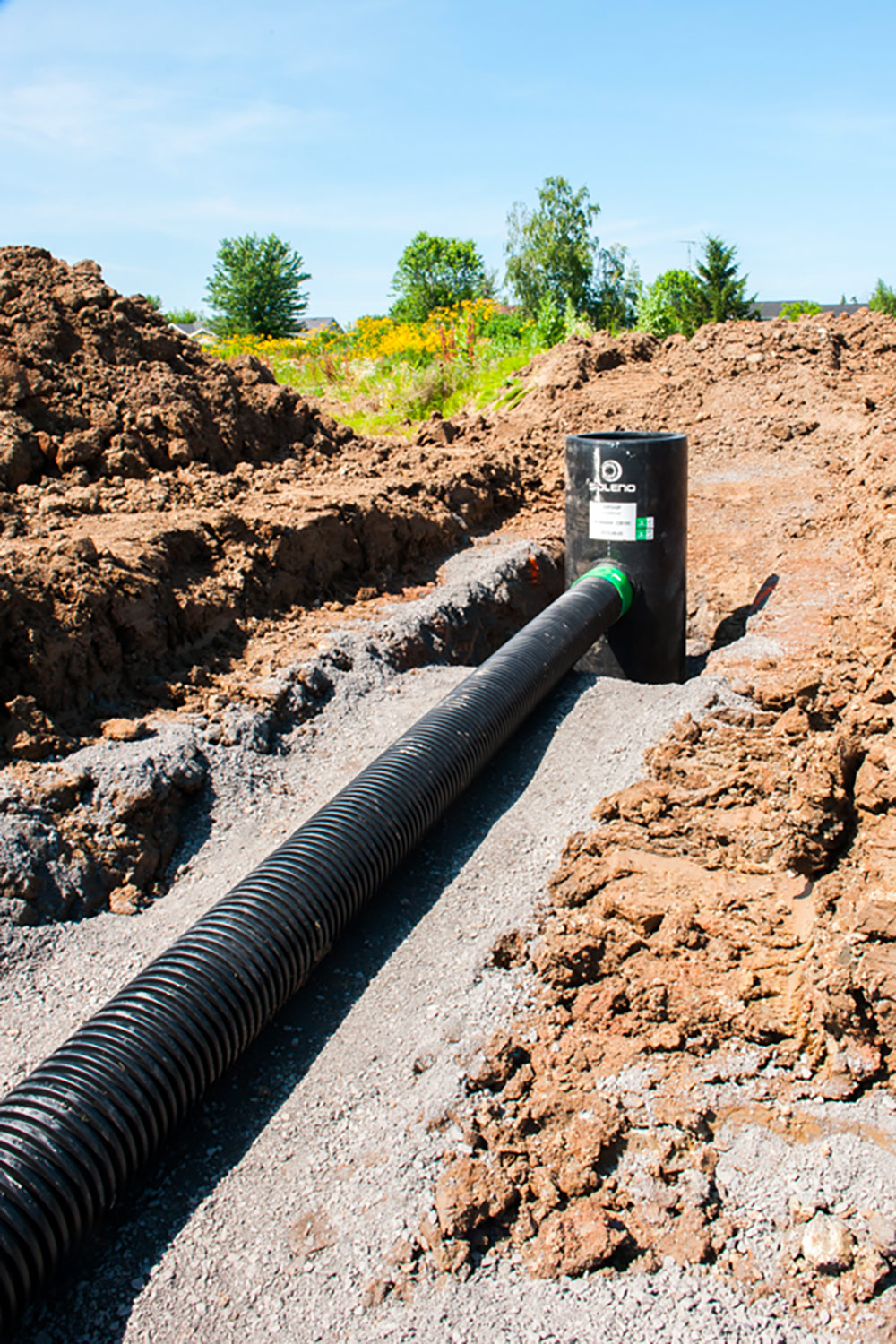
Used as a catch basin, it can collect surface runoff and direct it toward the drainage or storm sewer network. Used as a manhole, it provides an access point for inspection, maintenance or pipe connections. This flexibility makes it suitable for municipal, commercial, institutional and green infrastructure projects where a non-roadway structure is required.
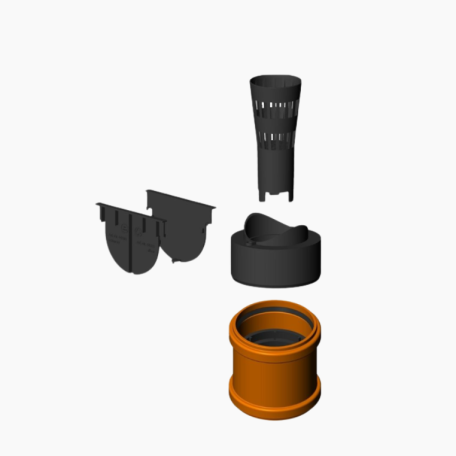
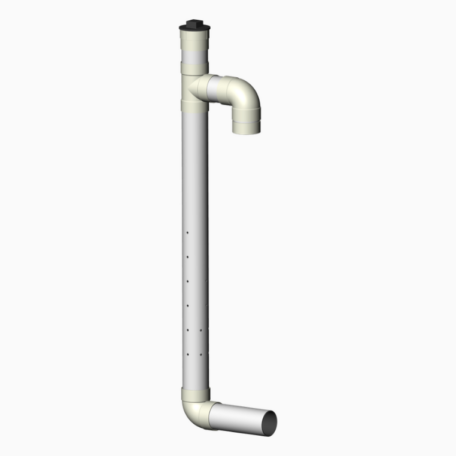
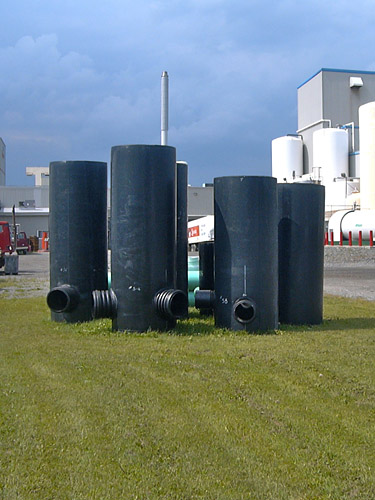
Because it is made from HDPE, the corrugated manhole/catch basin resists de-icing salts, abrasives, chemicals and vibration. Its available options make it possible to adapt the structure to site conditions, access needs, drainage requirements and project-specific configurations.
Common Applications
- Non-Roadway Installations
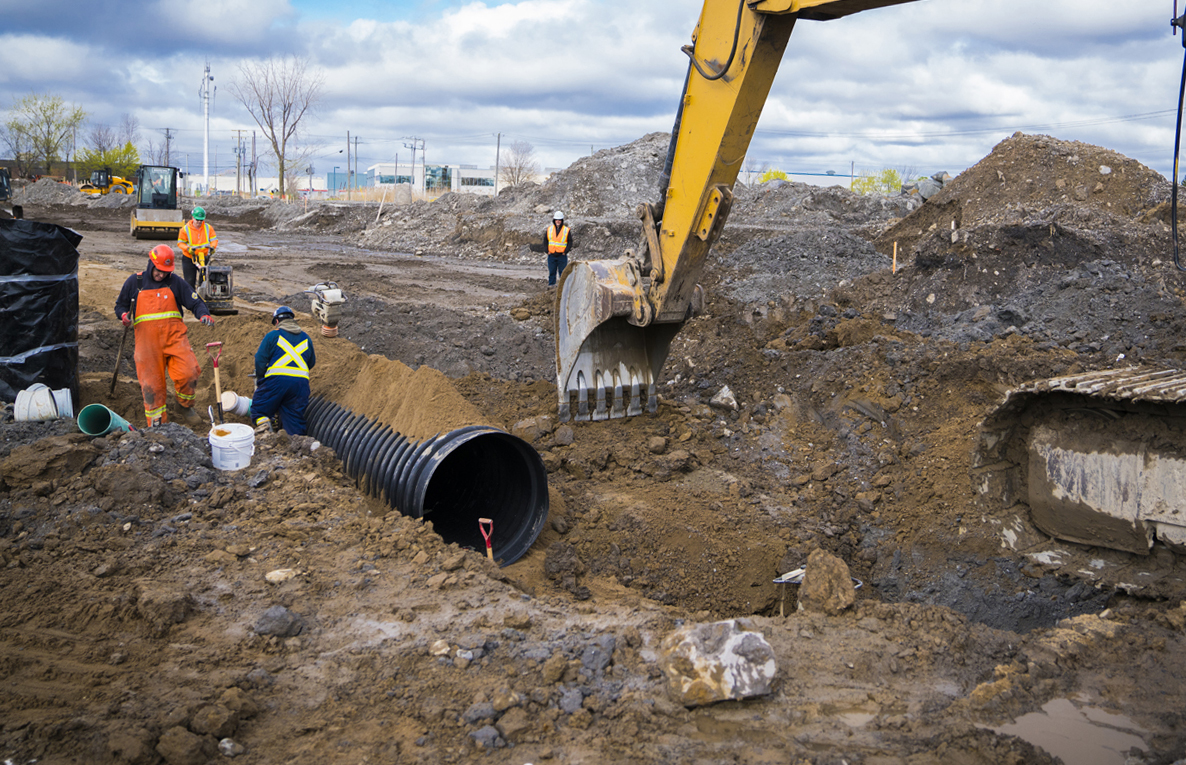
The corrugated manhole/catch basin is designed for non-roadway installations where traffic loads are not the primary design requirement. It provides a lightweight, economical and durable solution for stormwater drainage, collection and network access.
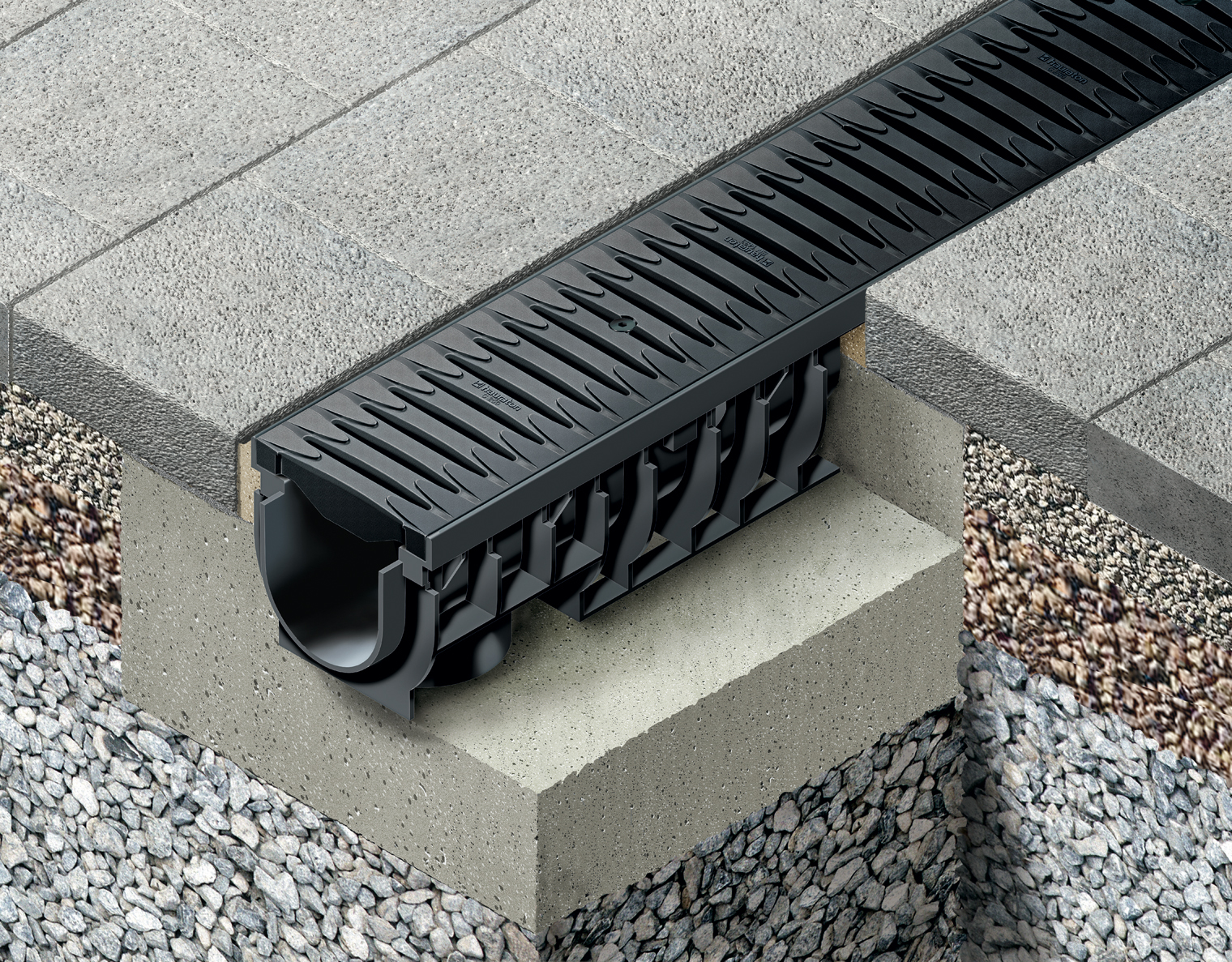
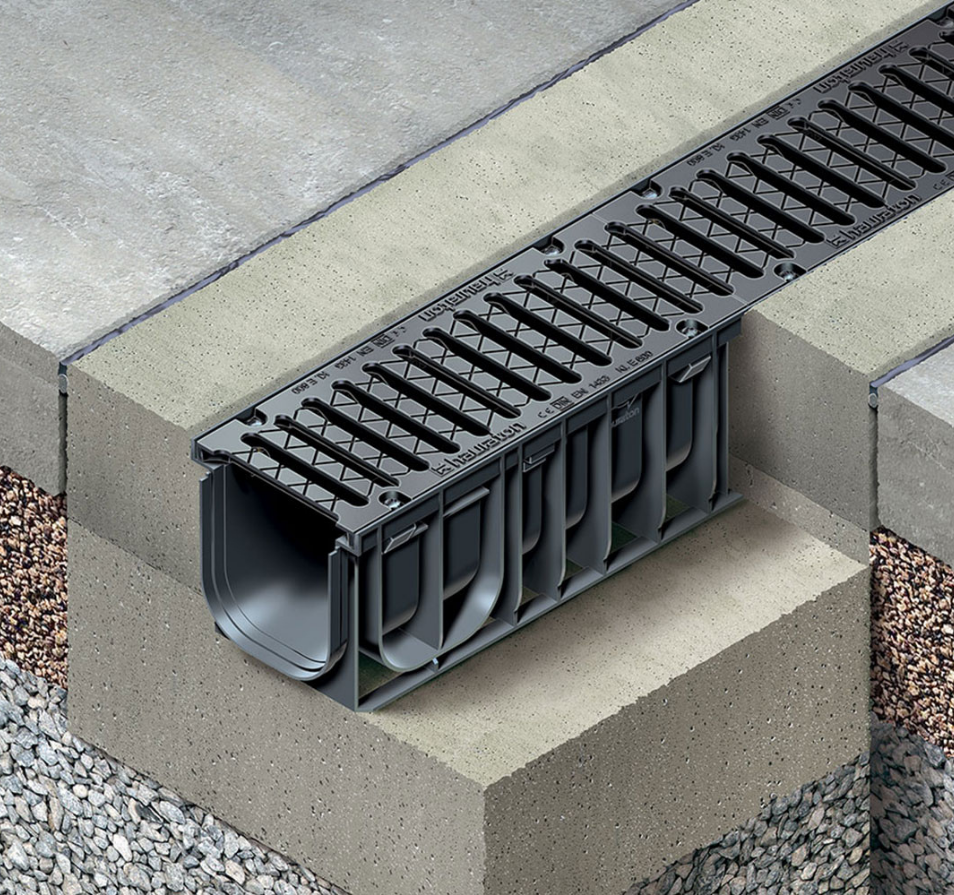
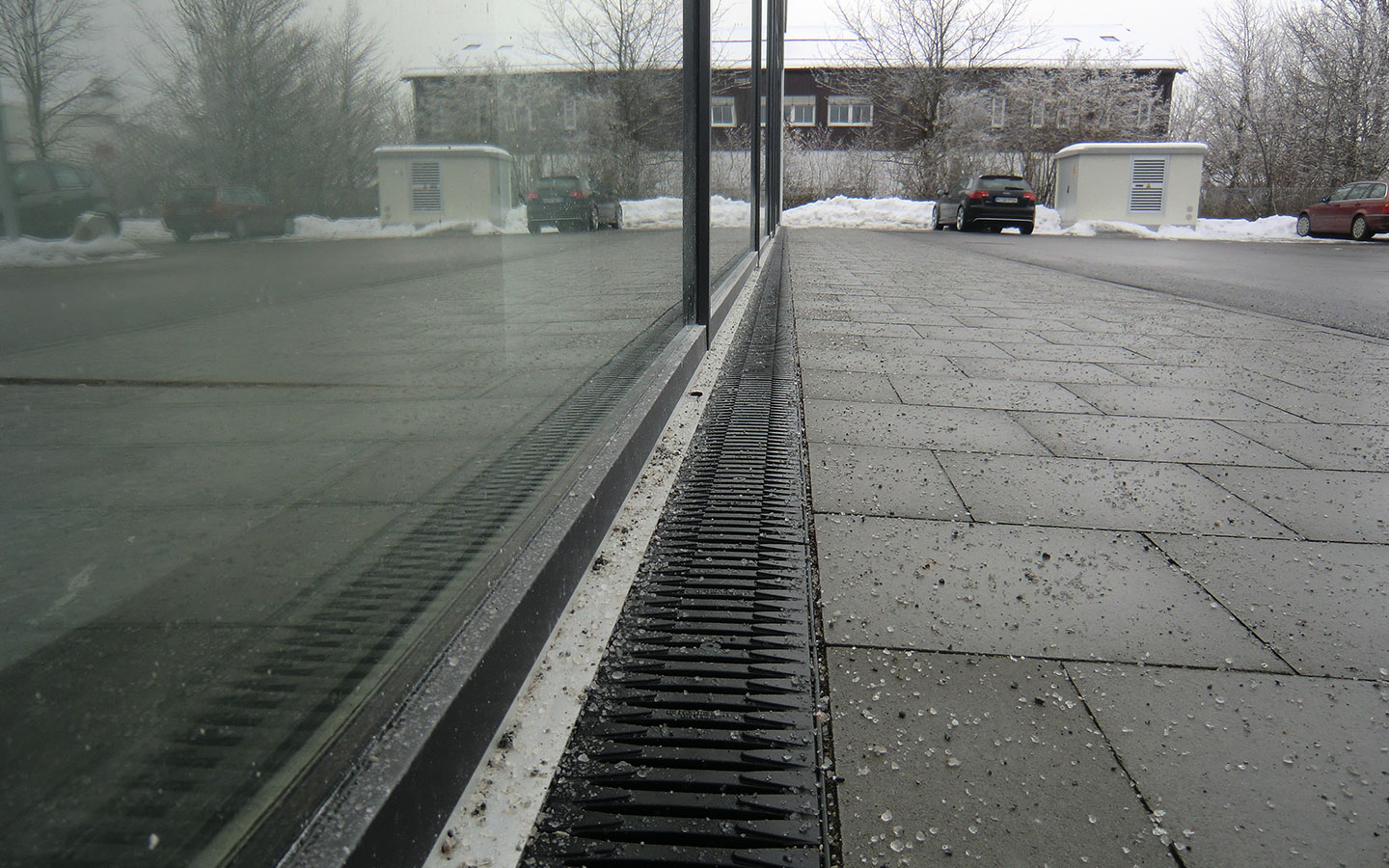
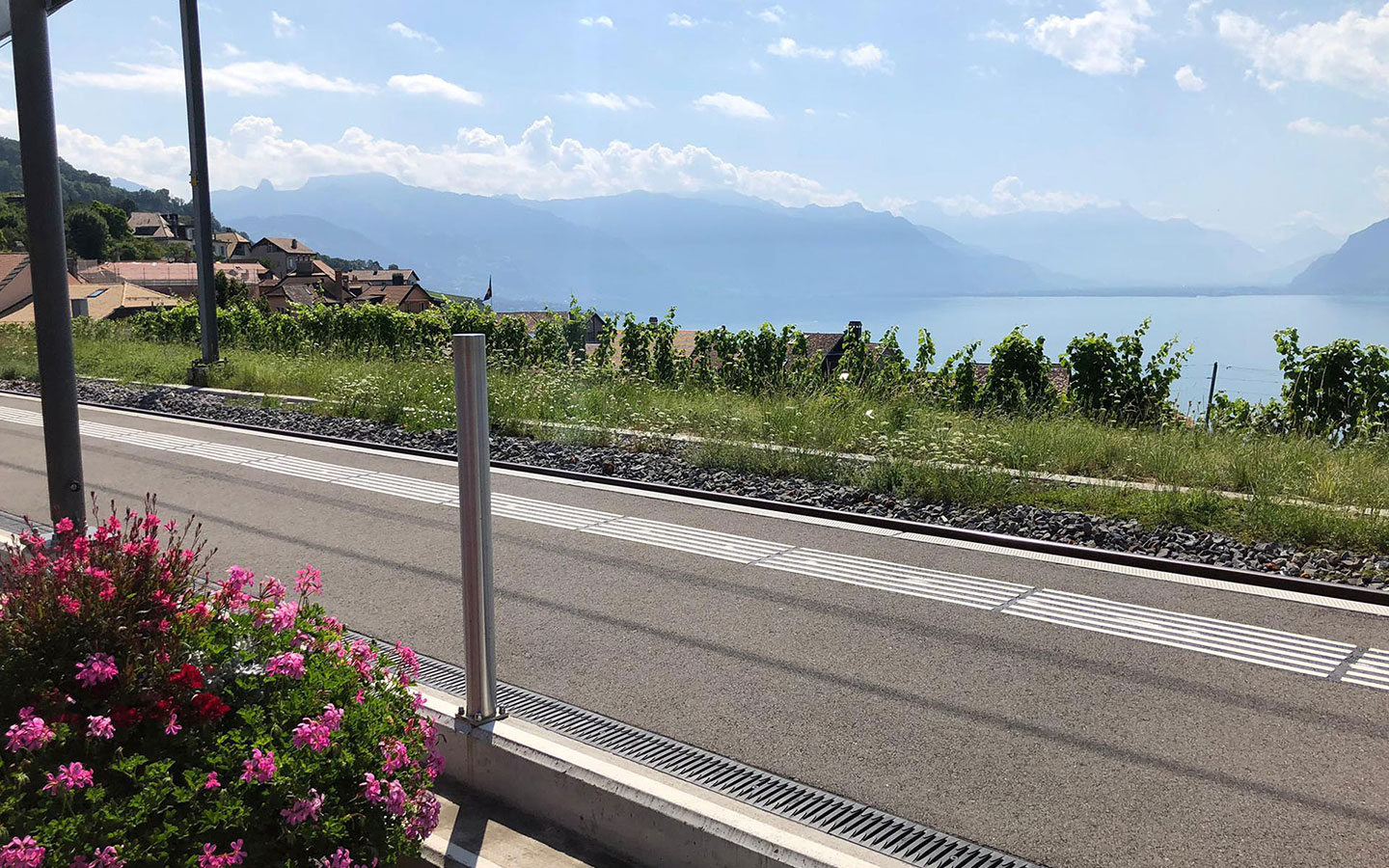
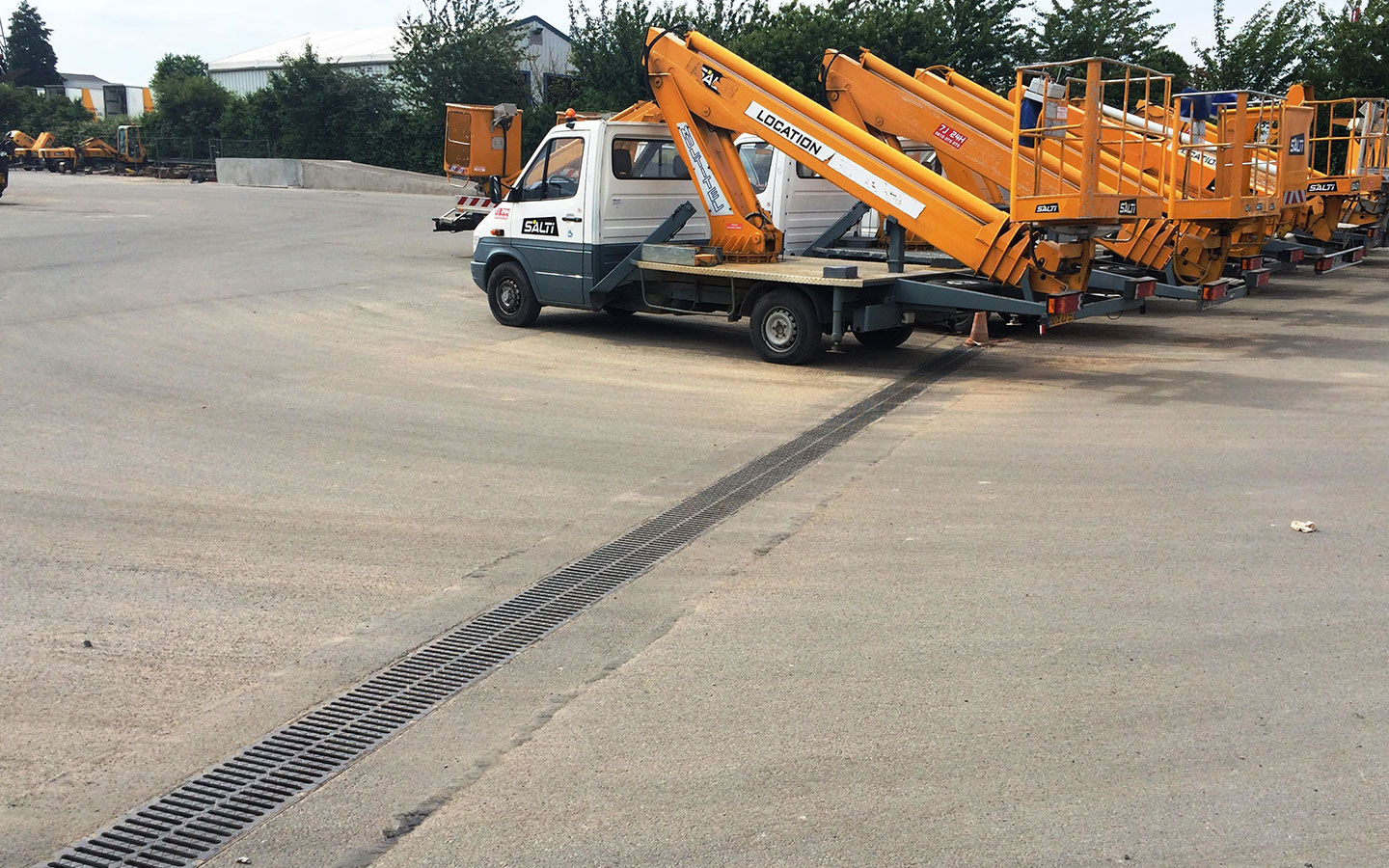
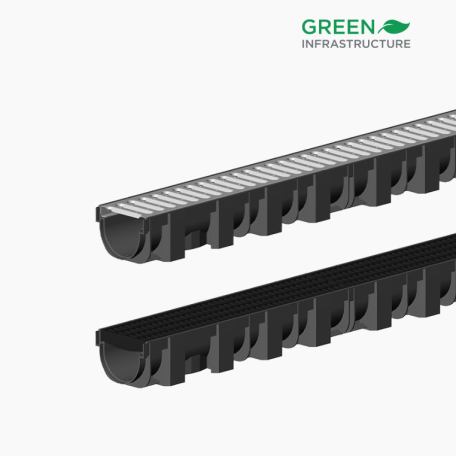
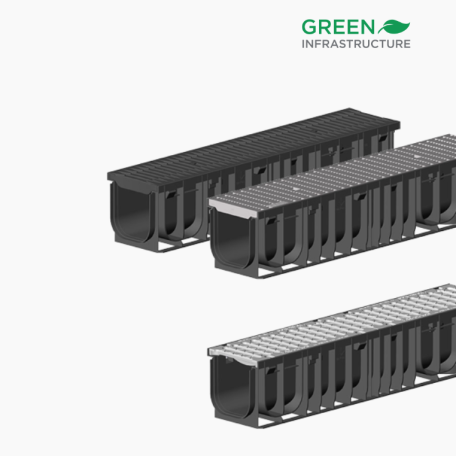
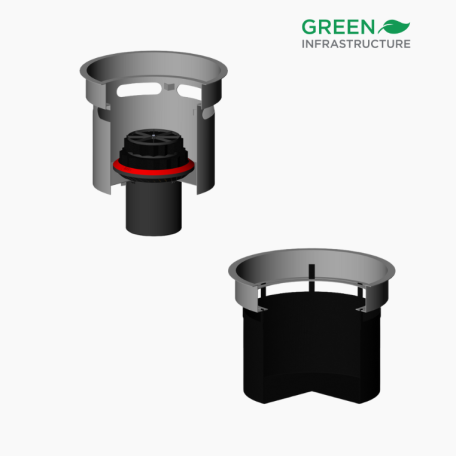
Used as a catch basin, the structure can collect surface runoff and convey stormwater toward a drainage or storm sewer network. It can be paired with a polyethylene or cast iron grate depending on the application, location and project requirements.
- Storm Sewer Network Access
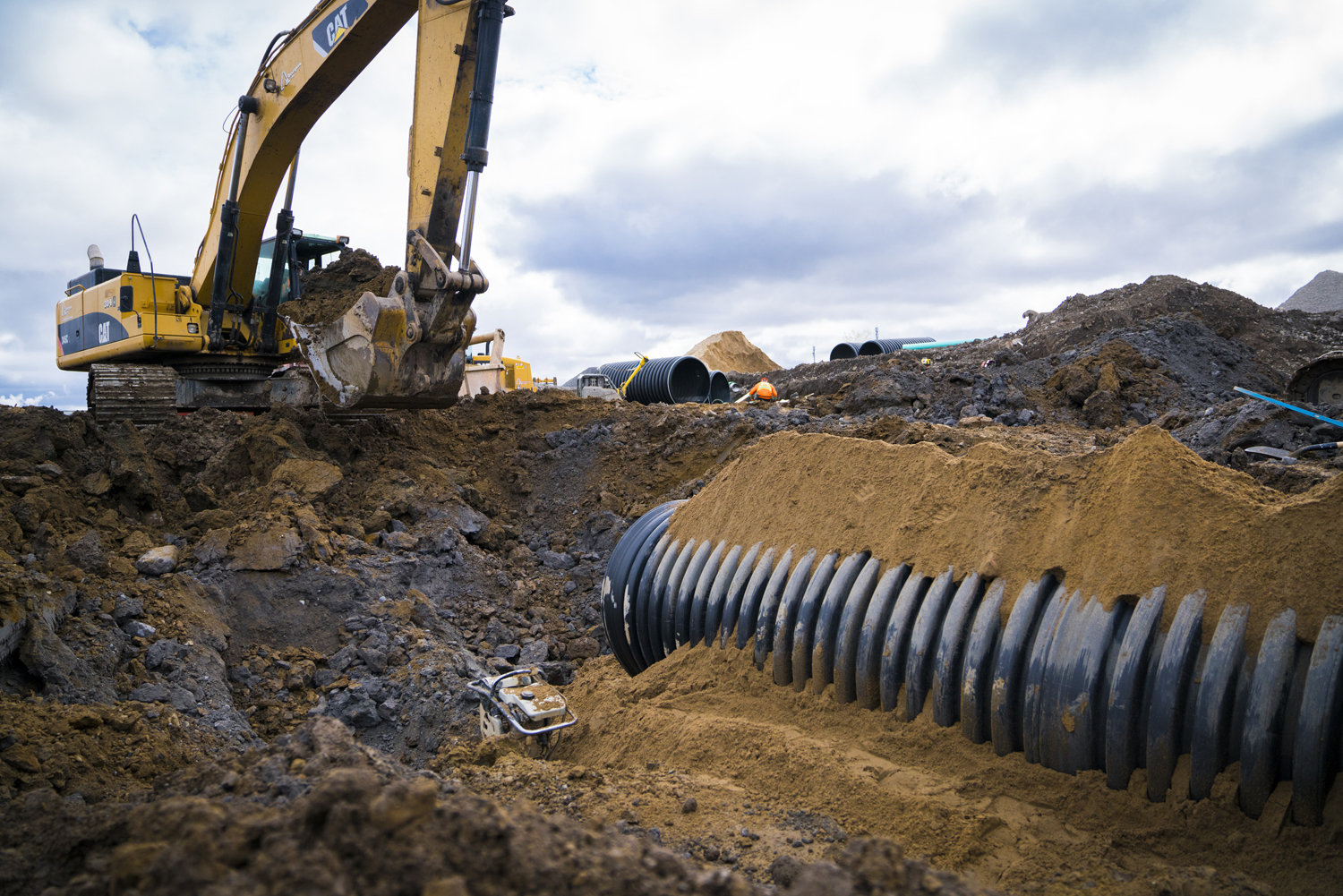
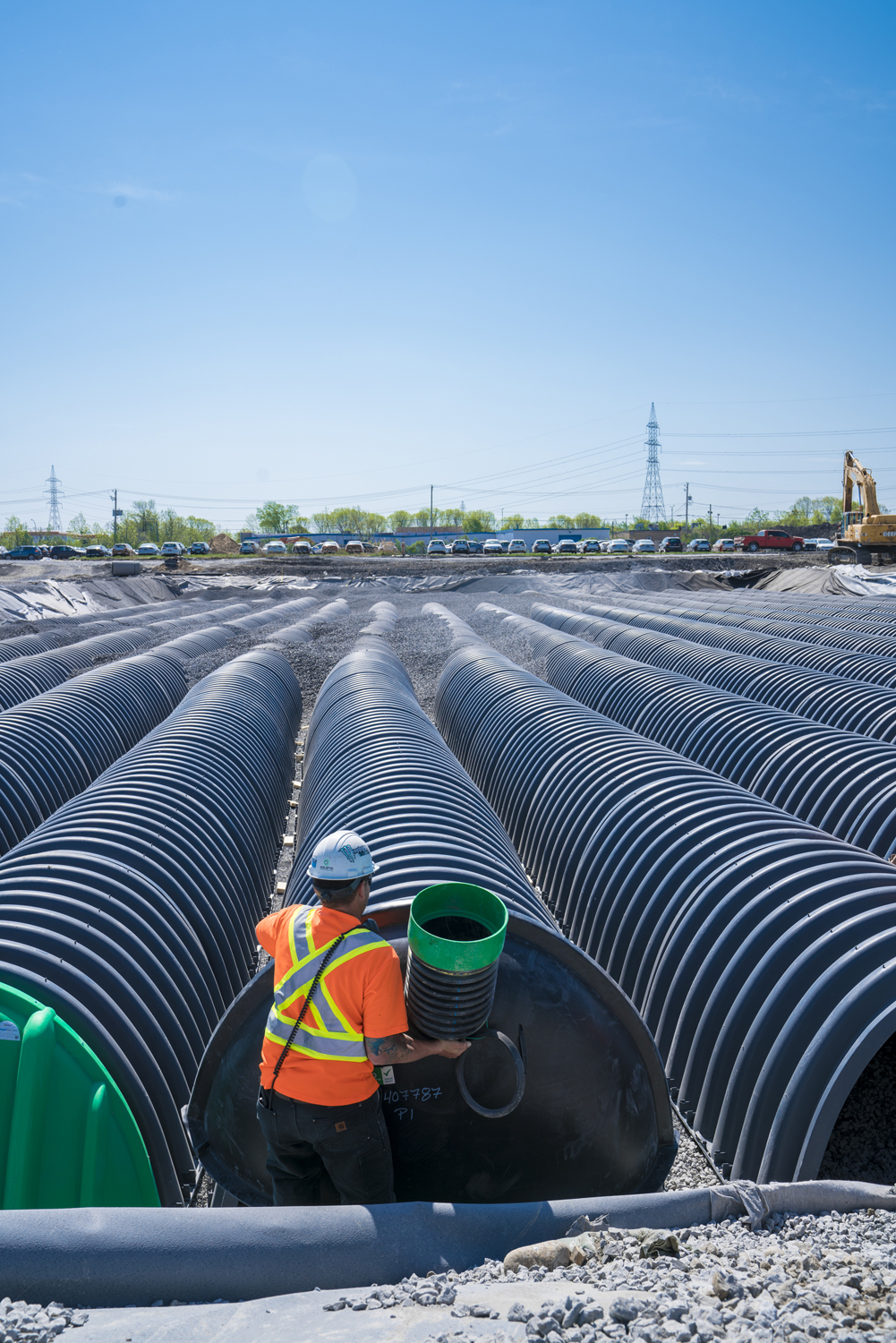
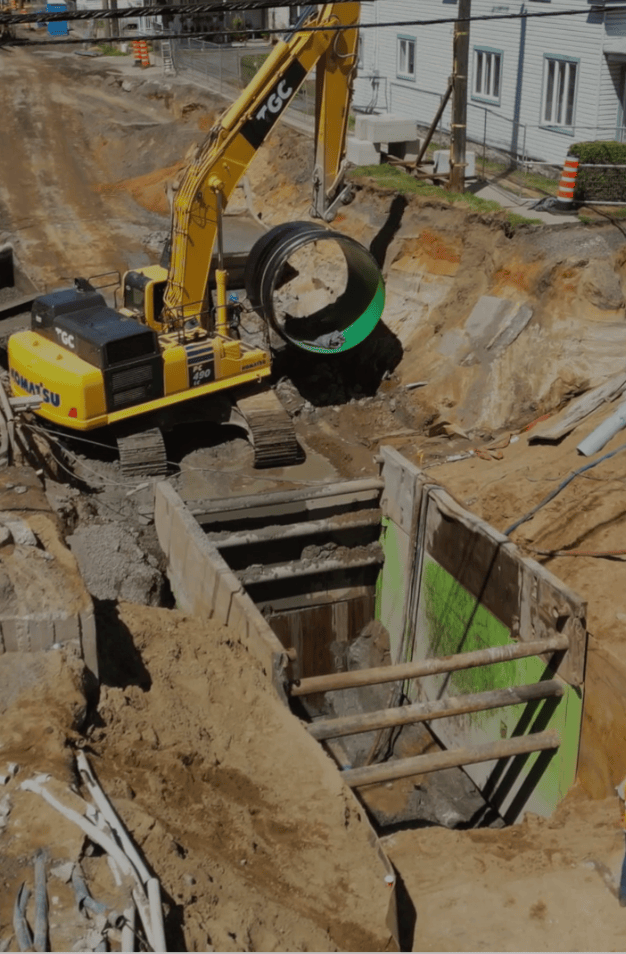
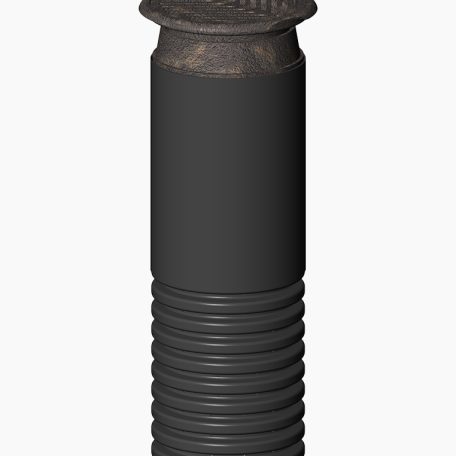
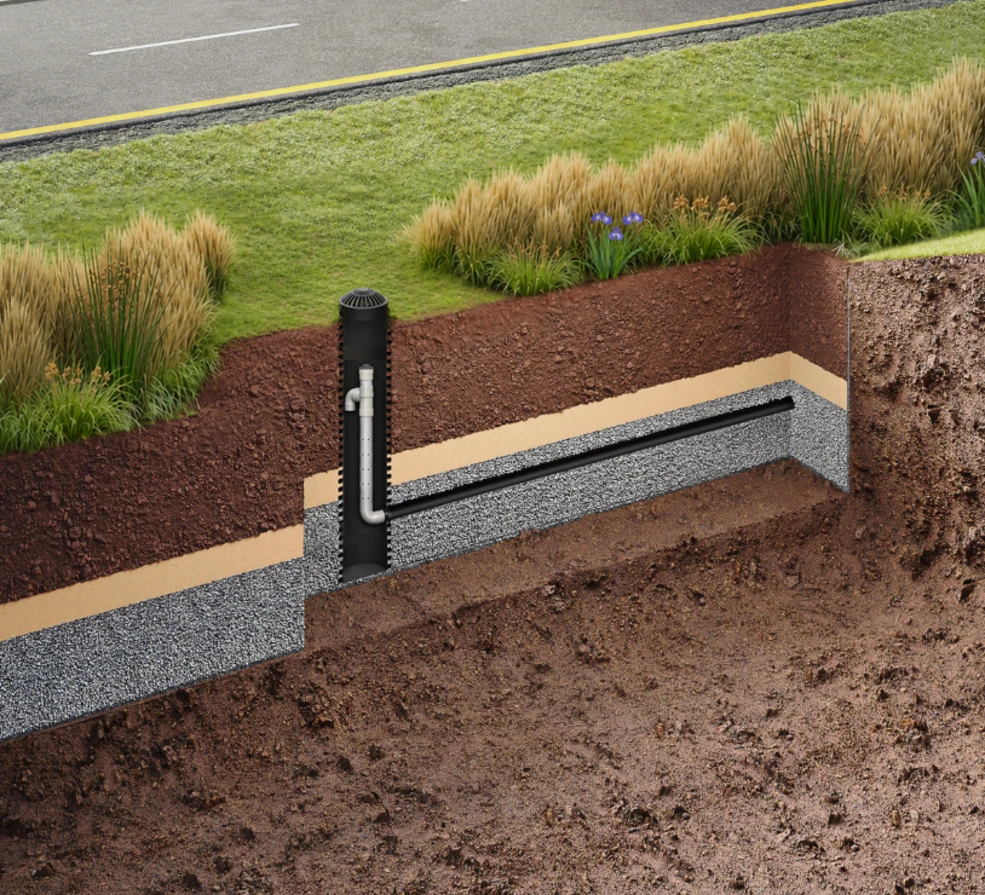
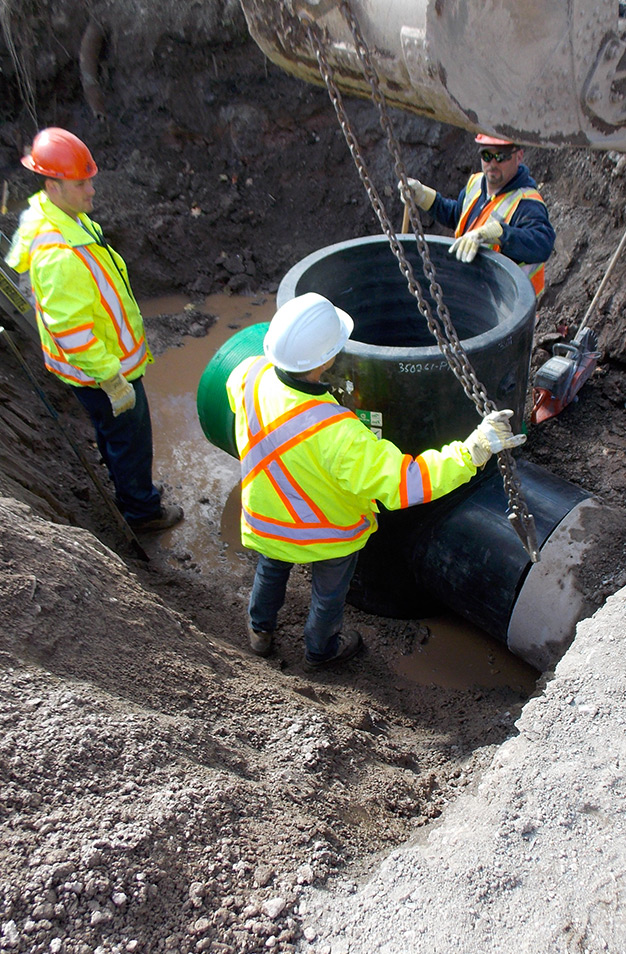
Used as a manhole, the corrugated structure provides an access point for inspection, maintenance or pipe connections within a storm sewer or drainage network. Its HDPE construction helps simplify installation and adaptation to the project.
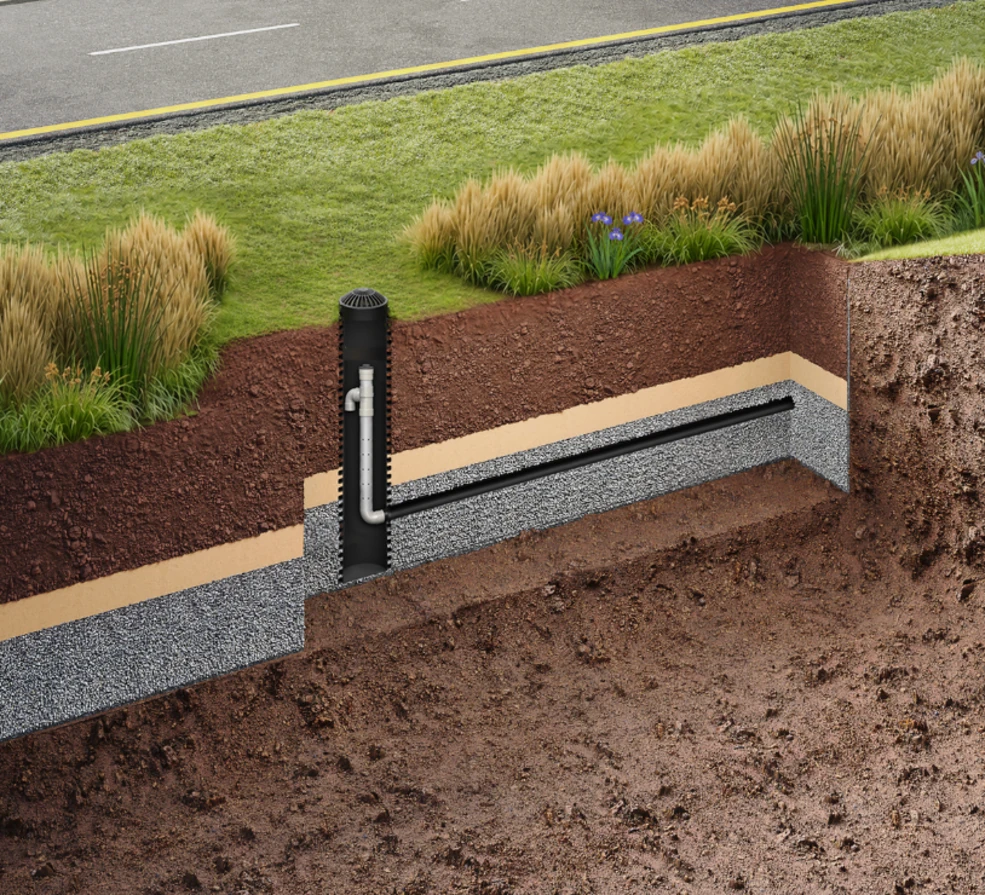
- Green Infrastructure and Sustainable Stormwater Management
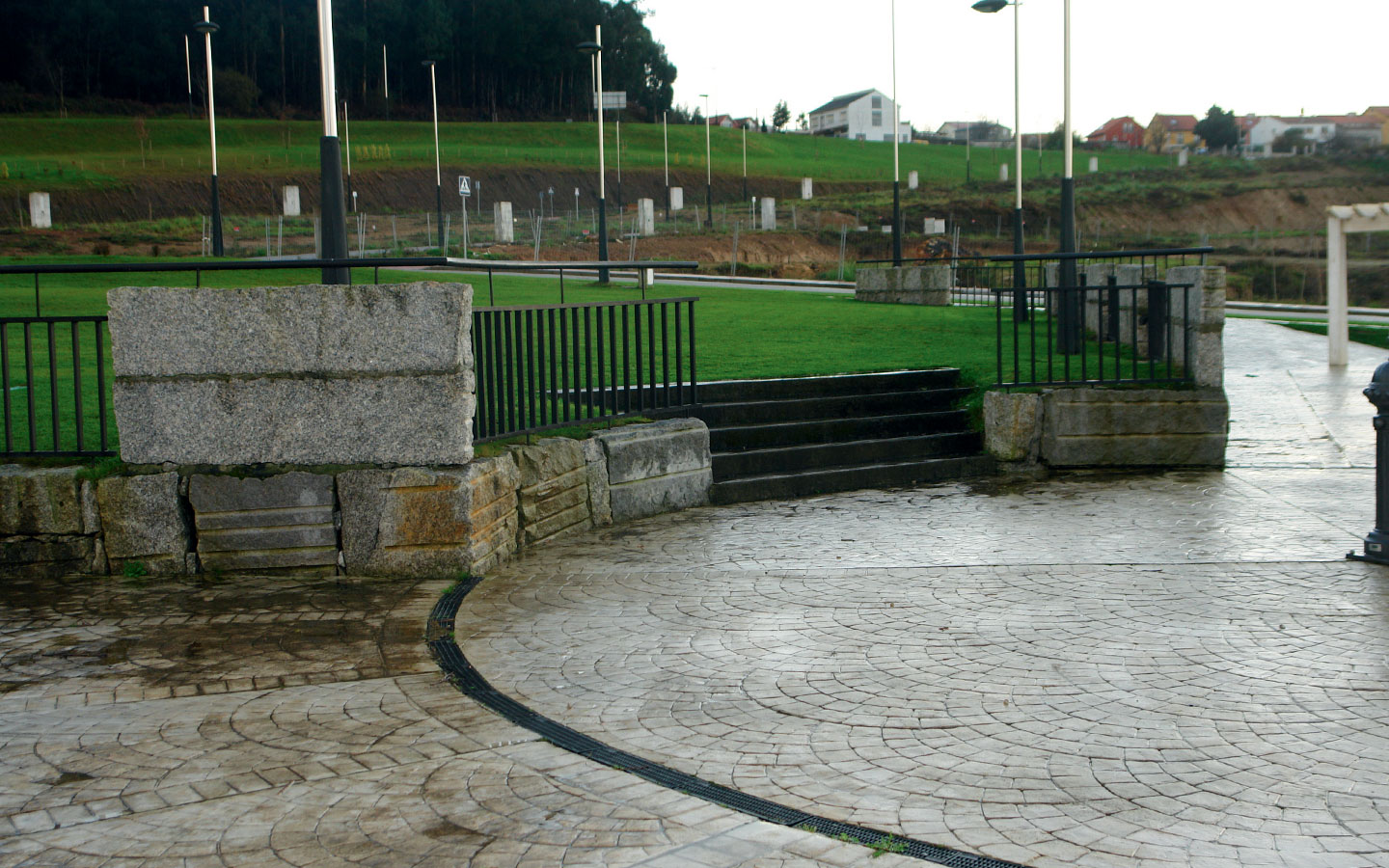
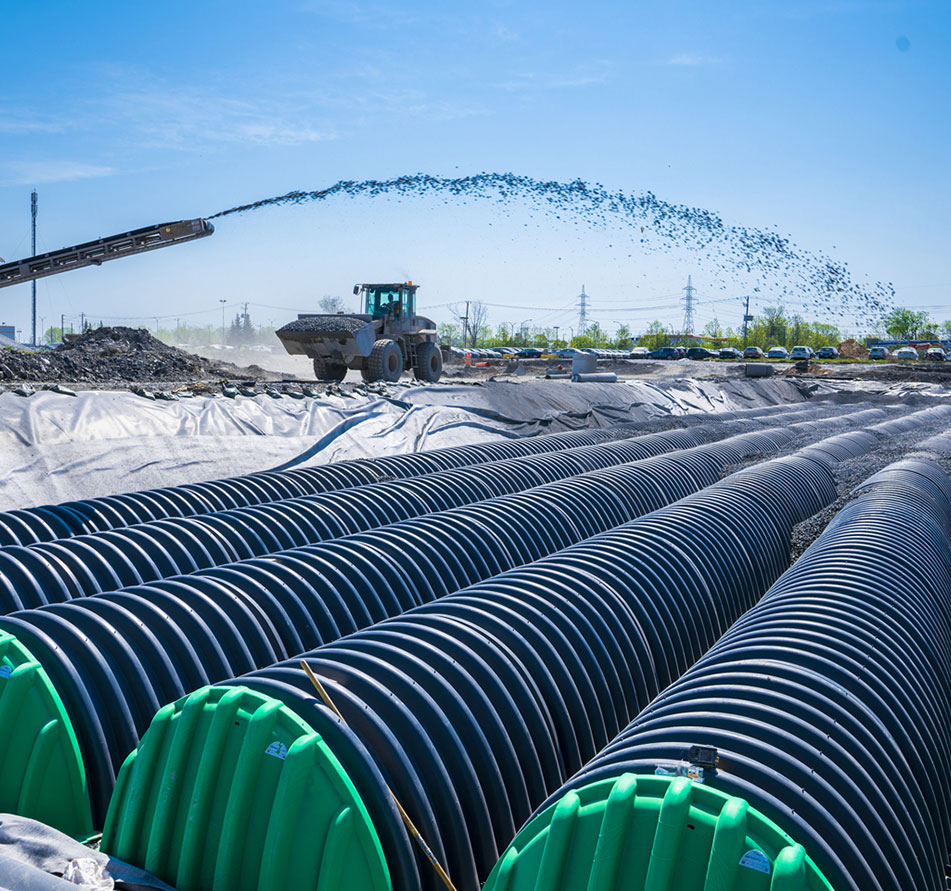
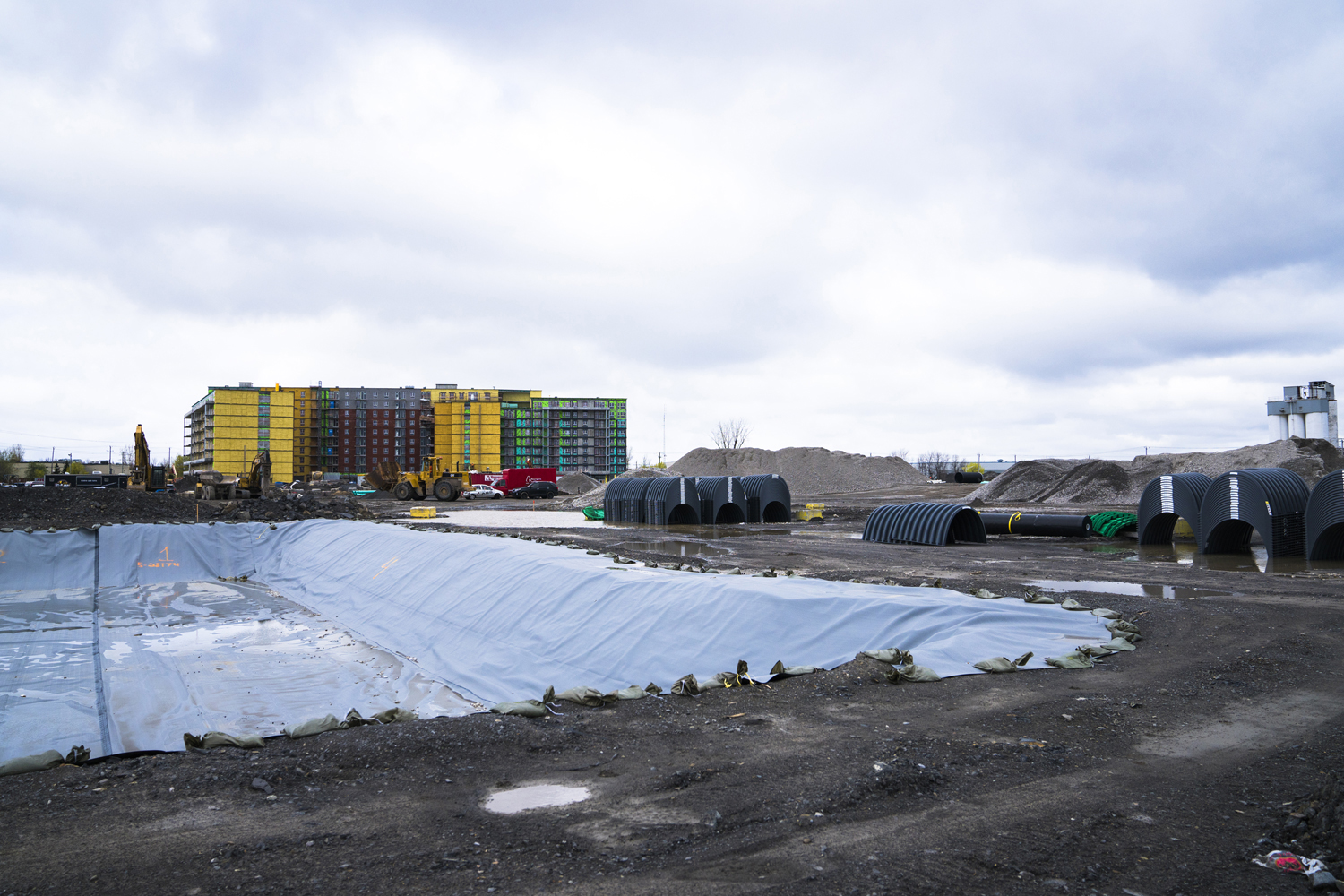
The corrugated manhole/catch basin can be integrated into green infrastructure projects such as rain gardens, vegetated swales, retention basins or sustainable stormwater management systems. It can support collection, flow control and conveyance while fitting into strategies that aim to reduce runoff and promote infiltration.